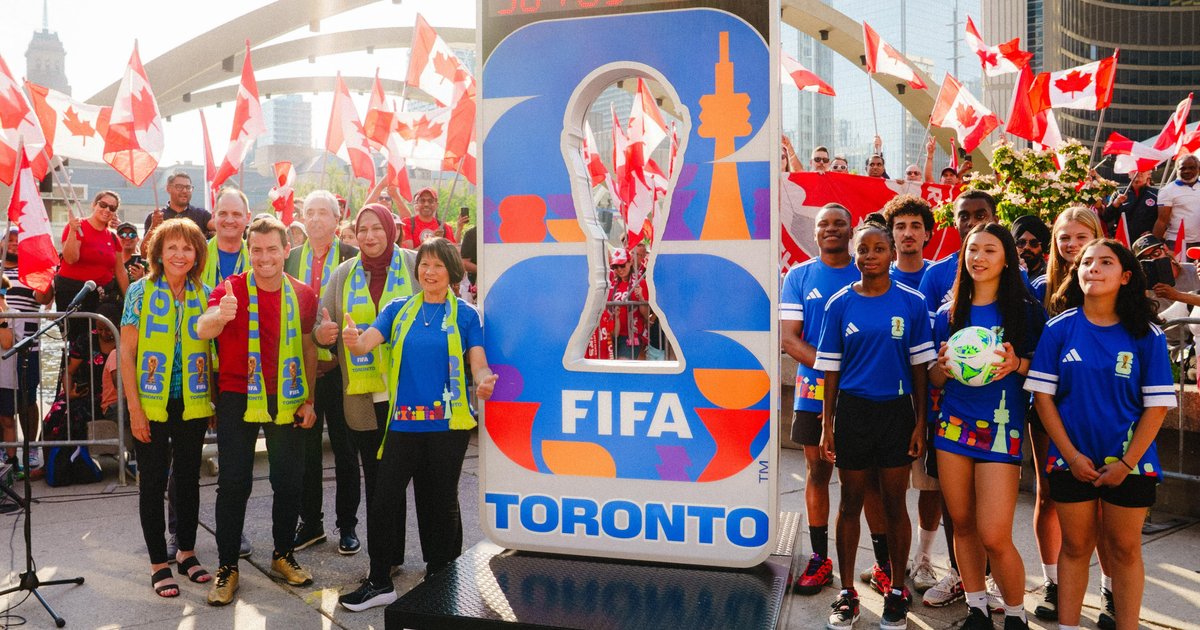
FIFA has announced the cancellation of World Cup tickets for matches scheduled at BMO Field in Toronto from the official resale market, following the enactment of a new law in Ontario that prohibits selling tickets for prices exceeding their original value. This decision is part of FIFA's efforts to protect fan rights and ensure access to tickets at reasonable prices.
The new law, known as the Fans First Act, stipulates that no individual may offer a ticket for sale in the secondary market or facilitate its sale for more than its original price. This legislation was passed after the approval of Ontario's budget for 2026 last Thursday.
Details of the Ticket Cancellation
World Cup tickets are currently available through FIFA's official market for the other 15 venues, except for the six matches scheduled in Toronto, including the opening match of Canada against Bosnia on June 12. FIFA continues to sell tickets at their original prices as part of the final sales phase, with more tickets expected to be released to the public continuously until the final match on July 19, depending on availability.
Recent figures from FIFA indicate that over five million tickets have been sold so far, from a total expected to exceed six million for the tournament. However, FIFA has faced criticism regarding ticket prices, particularly due to the use of dynamic pricing and the resale market.
Background & Context
Historically, tickets for sporting events have been sold at widely varying prices, leading to the emergence of a resale market that often exceeds official prices. FIFA, which manages the official resale market, claims to be a non-profit organization, with revenues reinvested in the development of football worldwide. Nevertheless, criticisms regarding high prices persist, raising questions about how fan rights are managed.
The new laws in Ontario reflect a growing trend toward consumer protection, as many governments seek to impose controls on the resale market to ensure fans are not exploited. This move may encourage other countries to adopt similar approaches, potentially affecting how major sporting events are organized in the future.
Impact & Consequences
The cancellation of World Cup tickets in Toronto reflects the impact of local legislation on global events. This decision is expected to increase pressure on FIFA to provide more transparent and fair options for fans. Additionally, this law may help build trust between fans and organizers, potentially leading to an overall improvement in the fan experience.
Furthermore, this decision could affect the resale market as a whole, as other countries may adopt similar laws, reducing the exploitation of fans.
Regional Significance
The implications of this law extend beyond Ontario, as it sets a precedent for consumer rights in the ticketing industry. The move may influence how sporting events are approached globally, encouraging a more equitable treatment of fans across different regions.
In conclusion, this step is significant for protecting fan rights and ensuring they are not exploited by the resale market, fostering a more positive environment for sports enthusiasts.