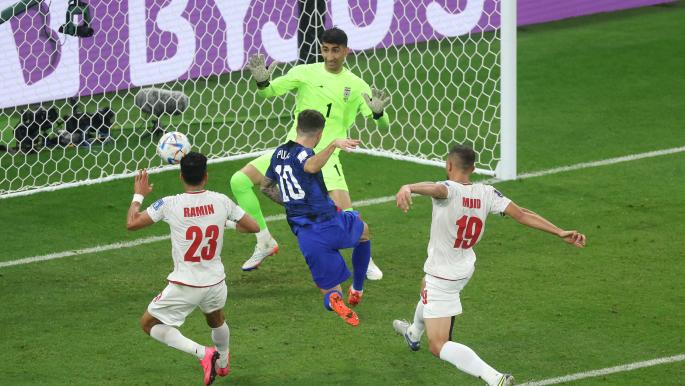
FIFA is preparing for one of its most complex scenarios ahead of the 2026 World Cup, as tensions between the United States and Iran emerge as a significant obstacle. Concerns are growing about the impact of this match on the tournament, especially given the strained political circumstances between the two nations.
The encounter between Iran and the United States in any sporting event, particularly in the World Cup, is an extremely sensitive issue. Historically, relations between the two countries have been tense, raising questions about how to organize the match under these conditions. FIFA faces significant challenges in managing this game, especially with concerns about potential political and social reactions that may arise.
Event Details and Context
All eyes are on the 2026 World Cup, which will be hosted by the United States, Canada, and Mexico. As the tournament date approaches, discussions are increasing about how to organize matches between teams representing countries with strained relations. In the case of Iran and the United States, it goes beyond just a football match; it involves complex diplomatic relations.
Historically, there have been several occasions that witnessed sporting confrontations between the two nations, but the World Cup represents a larger global platform, complicating the situation further. FIFA must make critical decisions to ensure the tournament runs smoothly while considering the political and social dimensions.
Background & Context
The relationship between Iran and the United States dates back decades, marked by multiple tensions and conflicts. Since the Iranian Revolution in 1979, relations have significantly deteriorated, affecting all aspects of cooperation between the two countries, including sports. In recent years, relations have seen further tensions due to economic sanctions and military threats.
In this context, organizing a match between the two national teams in the World Cup presents a significant challenge. While FIFA aims to promote sportsmanship and tolerance, the political reality may hinder these efforts. FIFA must be cautious in how it handles this issue, especially under increasing pressure from fans and the media.
Impact & Consequences
If the match is organized, it could lead to strong reactions from both sides. Any unexpected events during the match could escalate tensions, impacting the overall image of the tournament. FIFA is likely to face pressure from governments and fans to make decisions regarding the venue of the match or even to cancel it.
Moreover, this scenario could open the door to broader discussions about the role of sports in politics. Should sports remain separate from politics, or do major sporting events like the World Cup reflect the political realities of nations? These questions will remain on the table and may influence how sporting events are organized in the future.
Regional Significance
This issue is particularly significant for the Arab region, where politics and sports increasingly intersect. The results of this match could affect relations between Arab countries and Iran, especially amid ongoing regional tensions. Reactions from Arab fans may vary, reflecting political divisions in the region.
Ultimately, FIFA faces a significant challenge in managing this sensitive confrontation. The success or failure of this match could impact the tournament's reputation and reflect the extent to which sports can transcend political boundaries. All eyes remain on how events will unfold in the coming months.