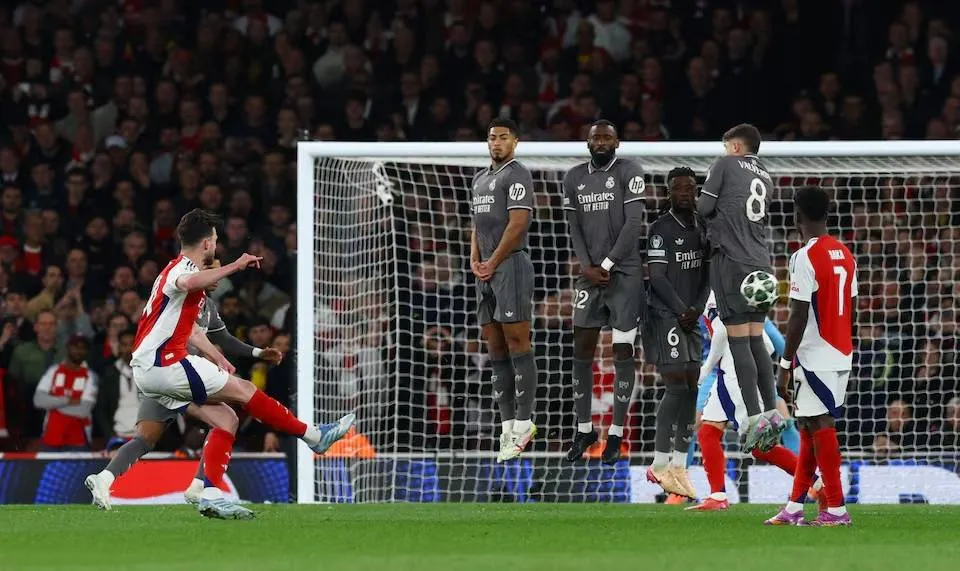
A technical committee from the FIFA has reported that set pieces, despite their increasing significance in club football, will not be a prominent aspect of the 2026 World Cup. This statement was made during a discussion session with the media, where members emphasized the challenges national teams face due to the limited time available for preparation before the tournament.
The tournament will be hosted by the United States, Canada, and Mexico, featuring 48 teams, which complicates the development of effective strategies. The committee discussed new ideas for preparing for the tournament, focusing on set pieces and citing the success of Arsenal in the English Premier League.
Details of the Discussion
Arsenal, known for its innovative approaches, has effectively utilized set pieces to gain an advantage in matches. The committee noted that while clubs have the luxury of time to refine their strategies, national teams will have to adapt quickly, making it challenging to implement complex set-piece tactics.
As the tournament approaches, teams will need to prioritize their training schedules to ensure they can incorporate set pieces into their gameplay effectively. The committee highlighted that the focus should also be on overall team cohesion and adaptability, which are crucial in a tournament setting.
Background & Context
The 2026 World Cup marks a significant expansion from previous tournaments, increasing the number of participating teams from 32 to 48. This change reflects FIFA's goal to promote the sport globally and provide more opportunities for nations to compete on the world stage. However, this expansion also presents logistical challenges, particularly in terms of preparation time for teams.
With the tournament being held across three countries, the need for efficient travel and accommodation arrangements adds another layer of complexity. Teams will have to manage their time wisely to ensure they can practice effectively while also acclimatizing to different environments.
Impact & Consequences
The decision to downplay the role of set pieces could have significant implications for how teams approach the tournament. Coaches may need to rethink their strategies, focusing more on dynamic play rather than relying heavily on set pieces, which have been a staple in many teams' arsenals.
Moreover, this shift could influence the training regimens of teams leading up to the tournament. Coaches might prioritize fitness and tactical flexibility over rehearsing specific set-piece scenarios, which could alter the traditional preparation methods seen in previous World Cups.
Regional Significance
The 2026 World Cup is not just a sporting event; it is also a cultural milestone for the host nations. The collaboration between the United States, Canada, and Mexico showcases a united front in promoting football across North America. This partnership aims to enhance the visibility of the sport and inspire future generations of players.
As the tournament draws nearer, the anticipation builds not only for the matches but also for the cultural exchange that will take place among the host nations and the visiting fans. The emphasis on teamwork and collaboration will be a central theme, reflecting the spirit of the tournament.
In conclusion, while set pieces may not dominate the 2026 World Cup, their role will still be significant. Teams must adapt to the unique challenges presented by the tournament format and the limited preparation time, ensuring they are ready to compete at the highest level.