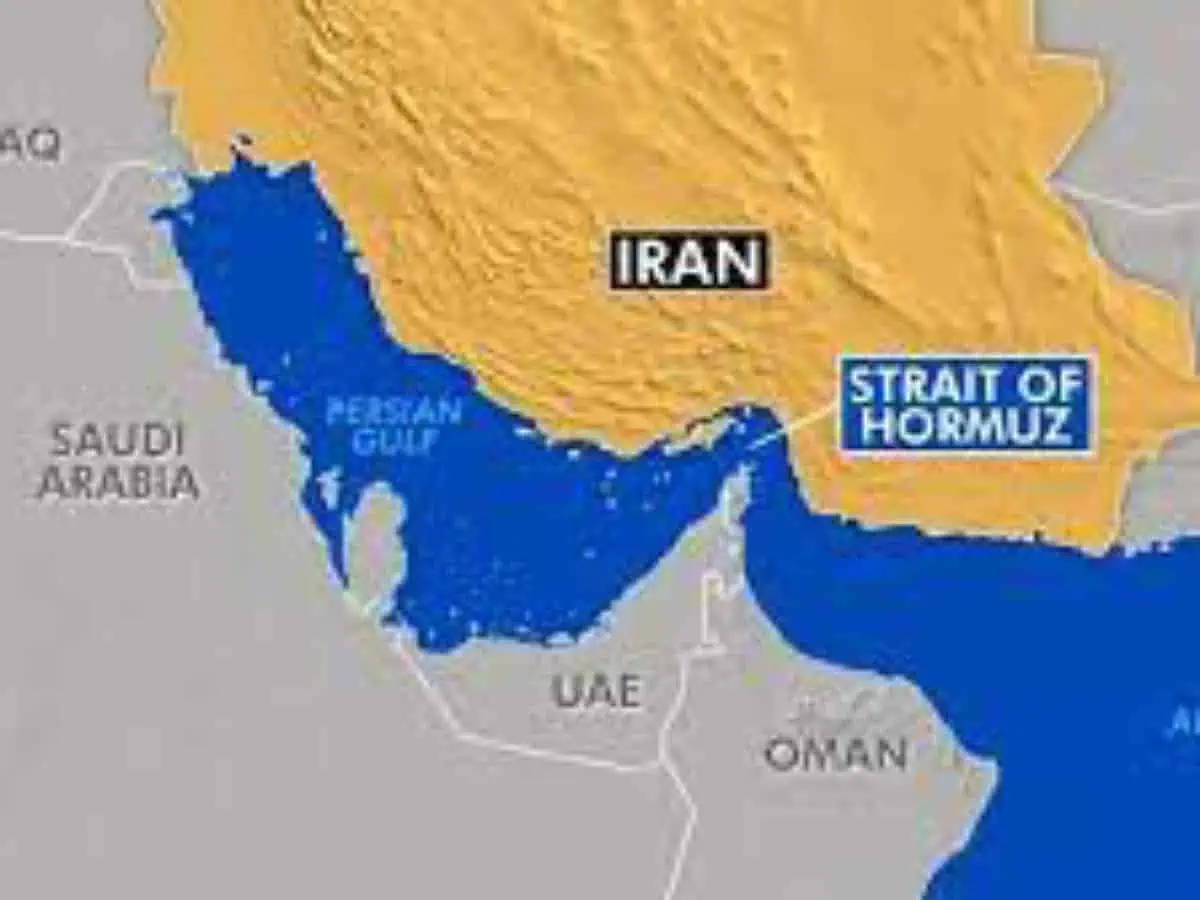
The Hormuz Strait recorded the passage of 15 ships in both directions over the past 24 hours, the highest rate since March 2. Despite the restrictions imposed by the Iranian Revolutionary Guard on vessel movements, this number reflects a significant level of activity in the region.
The crossing vessels included oil tankers, container ships, gas carriers, and bulk cargo vessels. According to navigational data analyzed by the open-source unit of Al Jazeera, this activity comes at a sensitive time characterized by escalating tensions in the area.
Details of the Event
The crossing ships included 7 bulk carriers, among them vessels like Sumit Success, Giacometti, and Yolkos Legacy. Additionally, 5 oil tankers crossed, including Rich Starry and Tailoji, along with the LPG carrier Sevan and the container ship Artam.
Data shows that 5 of the crossing ships departed from Iranian ports, while another 5 ships came from Emirati ports. Two vessels set sail from Indian ports, and 3 ships left ports in Saudi Arabia, Bangladesh, and Oman.
Background & Context
Recently, the Iranian Revolutionary Guard has imposed restrictions on vessel movements in the Hormuz Strait, a vital corridor through which approximately one-fifth of global oil and natural gas shipments pass. The Revolutionary Guard recently announced that Iraq is exempt from these restrictions, highlighting regional tensions.
Simultaneously, threats from the United States and Israel have intensified, warning Iran that failure to open the strait could lead to attacks targeting its energy infrastructure. These threats reflect growing concerns over increasing Iranian activities in the region.
Impact & Consequences
The passage of this number of ships indicates the continuity of commercial movement in the Hormuz Strait despite rising tensions. This may impact global oil prices, as many countries rely on this crucial corridor to secure energy supplies.
Moreover, the escalation of threats from the U.S. and Israel could provoke reactions from Iran, further complicating the security situation in the region. These dynamics may affect regional stability and heighten tensions among major powers.
Regional Significance
The Hormuz Strait represents a strategic point for Arab countries, many of which depend on oil and gas supplies. Any escalation in tensions could impact the Arab economy as a whole and increase the risks of supply disruptions.
Under these circumstances, Arab countries must take proactive steps to ensure the security of energy supplies and enhance regional cooperation to face potential challenges.