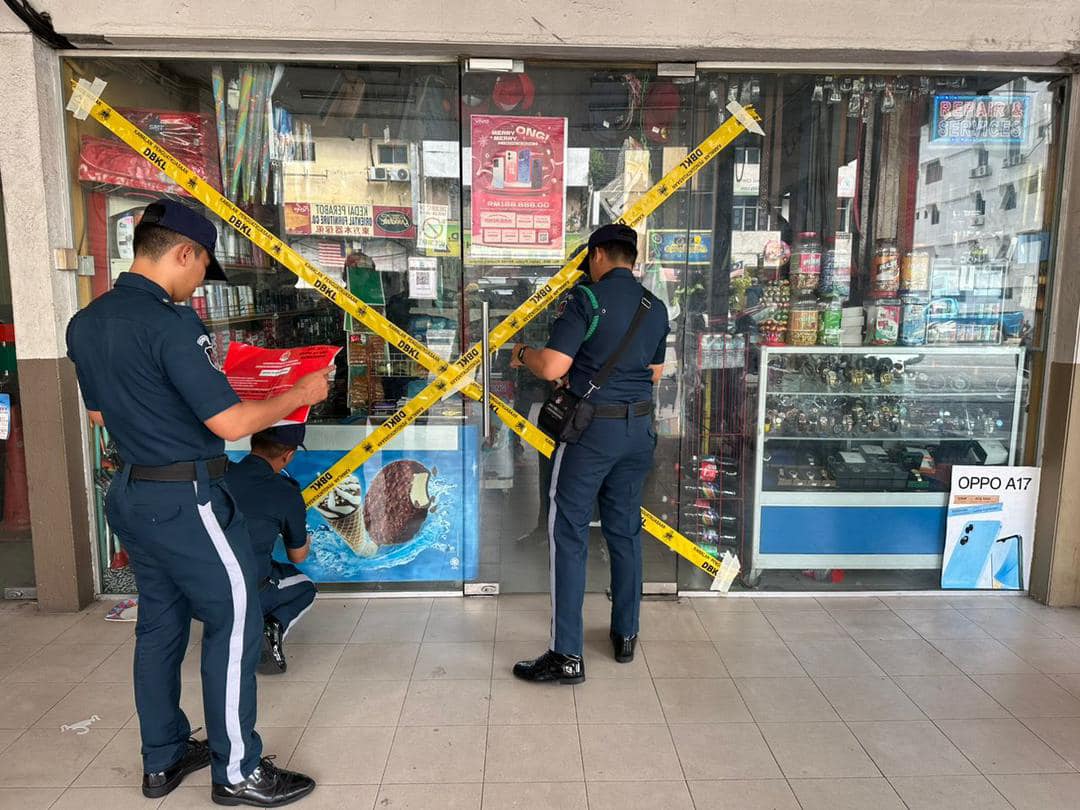
The government of Luxmou, Indonesia, through the Investment and Integrated Services Office, has announced a final warning to 27 companies operating in the illegal quail farming sector. This warning is part of the government's efforts to promote legal business activities and protect the local economy from illicit practices.
This measure aims to regulate the poultry farming sector, which is considered a vital industry contributing to job creation and food security. Local authorities have emphasized the necessity for all companies to comply with existing laws and regulations, warning that non-compliance may lead to strict legal actions.
Details of the Warning
In an unprecedented move, the Luxmou government has identified 27 companies involved in illegal quail farming. These companies have been given a final deadline to rectify their legal status by obtaining the necessary licenses to operate. The government noted that these companies failed to meet the required standards, prompting this decisive action.
This initiative is part of a broader campaign aimed at combating corruption and enhancing transparency in business operations. The government has expressed its readiness to support companies wishing to comply with the laws by providing necessary information and guidance.
Background & Context
Quail farming is an important economic activity in Indonesia, contributing to the supply of animal protein and meeting local market demands. However, the prevalence of illegal activities in this sector has negatively impacted the national economy and led to widespread corruption.
Historically, Indonesia has witnessed numerous incidents related to unlicensed business activities, prompting the government to take stringent measures against this phenomenon. These measures have included the issuance of new laws and the formation of special committees to monitor business activities.
Impact & Consequences
This step could lead to an improved business environment in Luxmou and enhance investor confidence. With a clear legal framework, companies can operate more securely and competitively. Additionally, this action may help reduce corruption and promote transparency in the market.
Moreover, strengthening legal business activities can contribute to the creation of new job opportunities and improve the living standards of local residents. This move is expected to encourage other companies to comply with the laws and avoid illegal practices.
Regional Significance
The Luxmou experience serves as a model that Arab countries facing similar challenges in business regulation and anti-corruption efforts can benefit from. Such measures can enhance the local economy and improve the business environment, ultimately benefiting local communities.
In conclusion, this warning from the Luxmou government represents a positive step towards regulating business activities and promoting transparency, contributing to building a strong and sustainable economy.