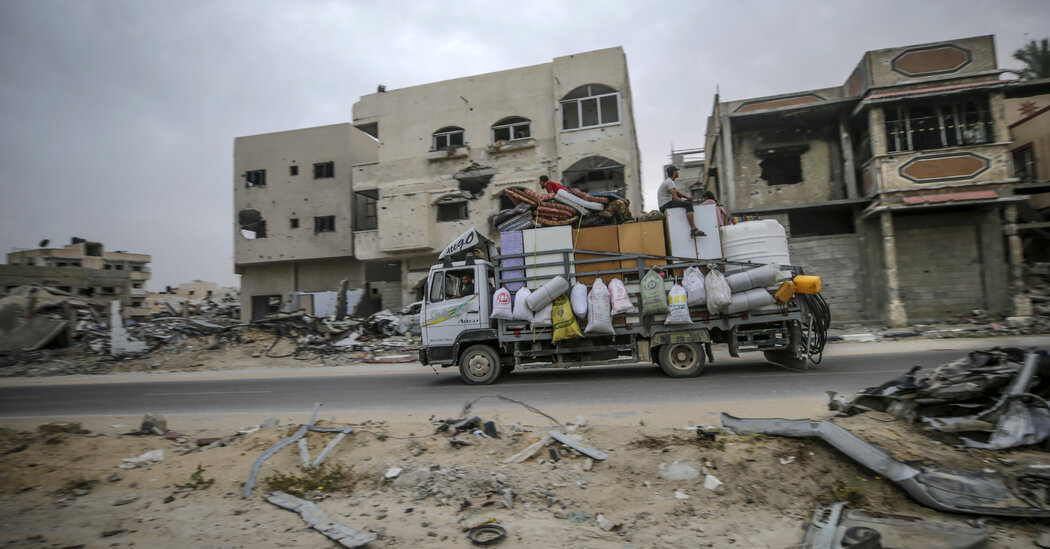
The fears are growing that the armed conflicts in the region are not merely military struggles but reflect a deep financial crisis impacting both local and international economies. Reports indicate that the war has resulted in serious economic repercussions, threatening the stability of the affected countries and exacerbating the suffering of civilian populations.
Amid the intensifying conflicts, many countries are experiencing a noticeable economic decline. Studies have shown that armed conflicts lead to reduced investments, increased unemployment rates, and rising prices, negatively affecting the standard of living.
Details of the Conflict
The reasons for the conflicts in the region are manifold, ranging from political struggles to ethnic and religious tensions. As these conflicts escalate, economic crises worsen, placing significant financial pressures on governments. Data has shown that many countries experiencing conflicts are facing budget deficits, forcing them to borrow from international financial institutions.
Moreover, wars lead to the destruction of infrastructure, increasing the costs of future reconstruction. Conflicts also affect trade flows, as roads and ports are destroyed, hindering the movement of goods and services.
Background & Context
Historically, the region has witnessed numerous armed conflicts that have resulted in economic crises. For instance, the conflict in Syria has led to the destruction of the local economy, with the country losing more than 80% of its GDP since the war began. Additionally, the conflict in Yemen has resulted in the worst humanitarian crisis in the world, with millions suffering from food and medicine shortages.
These financial crises are a direct consequence of the conflicts, as both foreign and local investments decline, exacerbating economic conditions. In this context, governments must seek innovative solutions to address these crises, including enhancing regional and international cooperation.
Impact & Consequences
The repercussions of armed conflicts extend beyond national borders, affecting regional and international stability. Research has shown that conflicts lead to an influx of refugees, increasing pressures on neighboring countries. Furthermore, the economic crises resulting from wars lead to the proliferation of poverty and unemployment, threatening social security.
Additionally, these crises impact global markets, as oil prices and commodity prices are affected by tensions in the region. Consequently, economic stability in the region is closely linked to political stability.
Regional Significance
The financial crises resulting from armed conflicts pose a significant challenge for the Arab region. With the increasing number of conflicts, Arabs face growing economic and social challenges. A collective response from Arab countries is required to enhance cooperation and provide support to the affected nations.
In conclusion, solutions must be sustainable and comprehensive, involving the promotion of political dialogue and the provision of humanitarian aid. War is not merely a military crisis but a financial crisis that requires urgent action from the international community.