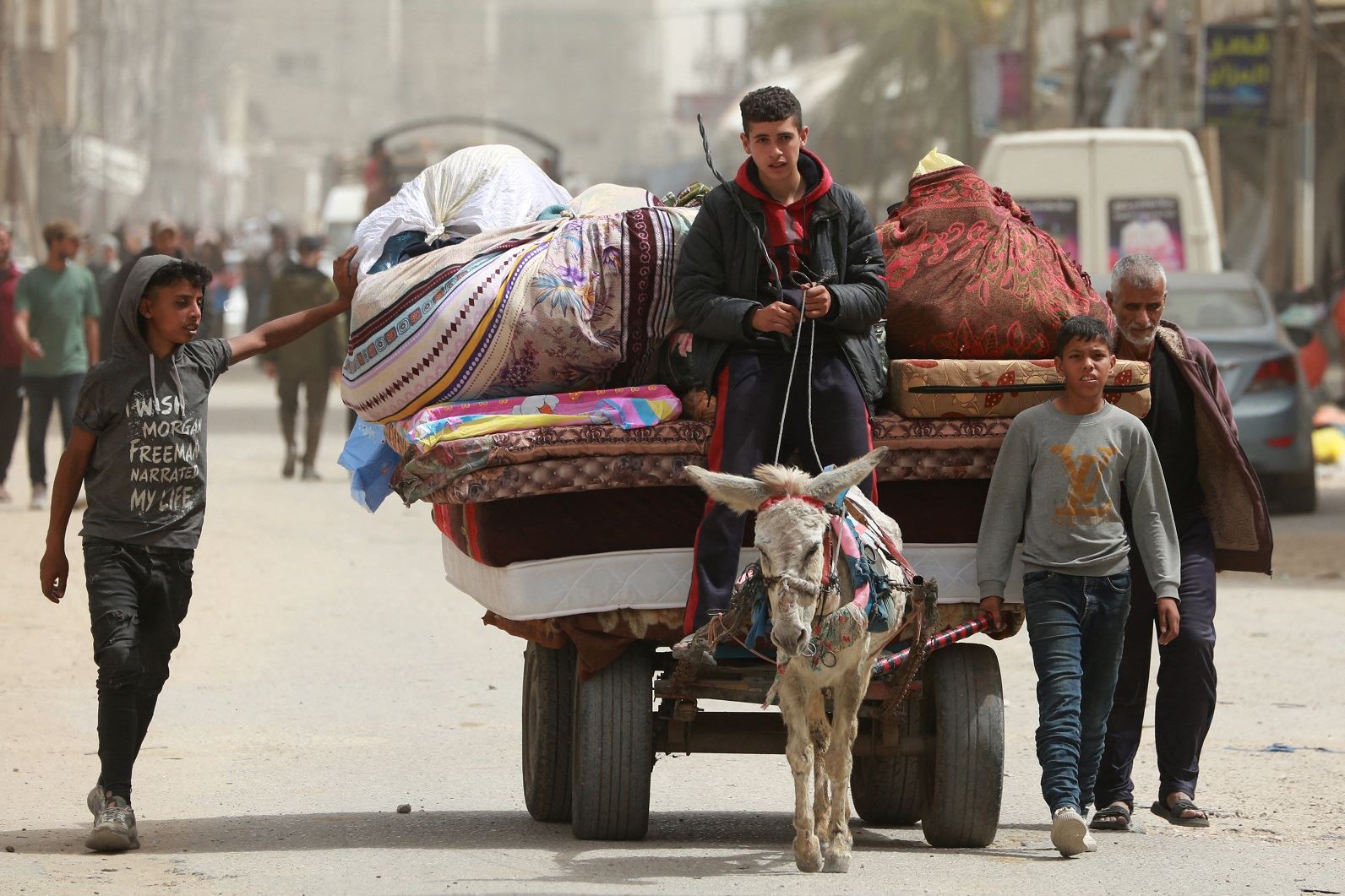
Rich Nozomi from Franklin Templeton asserts that financial markets are underestimating the inflationary impacts of the ongoing conflict in the Middle East. This warning comes amid rising tensions in the region, raising concerns about broader economic repercussions. Under current circumstances, inflation is considered one of the most significant challenges facing the global economy, especially in light of geopolitical disruptions.
In statements made by Nozomi, he pointed out that markets have not taken into account the potential impacts of the conflict on supply chains and commodity prices. These factors could lead to a sharp increase in prices, negatively affecting consumers' purchasing power and increasing inflationary pressures.
Event Details
Concerns are growing that the conflict in the Middle East, which has seen a notable escalation recently, may exacerbate the global inflation crisis. Armed conflicts directly affect oil and gas production, which in turn impacts energy prices that are key drivers of inflation.
Moreover, political tensions could lead to disruptions in international trade, making it more difficult to obtain essential goods. Recent reports have shown that food prices have risen significantly, increasing worries about food security in many countries.
Background & Context
Historically, the Middle East has witnessed numerous conflicts that have impacted the global economy. For instance, during the Gulf War in the 1990s, oil prices surged dramatically, leading to global inflation. Today, it seems history is repeating itself, as the current conflict threatens the stability of financial markets.
In recent years, global markets have been grappling with the repercussions of the COVID-19 pandemic, which caused significant disruptions in supply chains. With escalating tensions in the Middle East, investors are facing new challenges that may affect their investment strategies.
Impact & Consequences
If markets continue to ignore inflationary risks, major economies may face significant challenges in controlling inflation. This could lead central banks to take stringent measures, such as raising interest rates, which may negatively impact economic growth.
Furthermore, rising inflation could exacerbate poverty and unemployment in many countries, increasing social and political pressures. In this context, governments must take proactive measures to mitigate the effects of inflation on citizens.
Regional Significance
Arab countries are among the most affected by the repercussions of the conflict in the Middle East. Many of these countries heavily rely on imports of food and energy. If commodity prices continue to rise, these nations may face significant challenges in securing their basic needs.
Additionally, economic disruptions could lead to increased social and political tensions, threatening stability in the region. Therefore, it is crucial for Arab nations to adopt effective strategies to address these challenges.