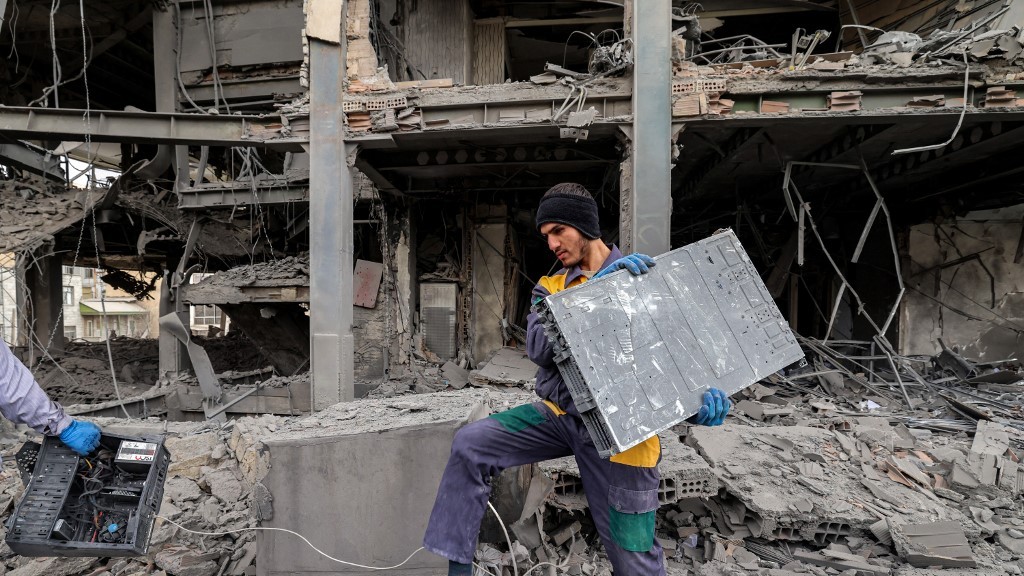
A major fire erupted at the Haifa oil refinery, located in Haifa Bay, after it was subjected to a targeted attack, making it the second time this vital facility has been attacked in recent weeks. This incident comes at a sensitive time as tensions rise between Israel and both Iran and Hezbollah, increasing concerns about regional stability.
Israeli authorities confirmed that the fire was quickly contained, noting that there was no impact on oil supplies. In contrast, Hezbollah claimed that the fire resulted from a missile it launched, reflecting significant discrepancies in narratives between the two sides regarding the cause of the incident.
Details of the Incident
The Haifa refinery is considered one of the most important oil facilities in Israel, playing a crucial role in securing the country's energy supplies. The refinery has faced several attacks recently, indicating a growing pattern of assaults on vital infrastructure by conflicting parties. The latest fire follows a series of military tensions in the region, raising concerns about the potential for greater escalation in the future.
There are conflicting accounts regarding the cause of the fire, with Hezbollah asserting it was due to a missile it launched, while Israeli authorities attributed it to debris from an intercepted missile. This divergence in information reflects the increasing distrust between the two sides and suggests that the conflict may be heading towards further escalation.
Background & Context
Historically, the region has witnessed rising tensions between Israel and Hezbollah, especially following the war that occurred between them in 2006. Since then, clashes and retaliatory attacks have continued, exacerbating the situation. In recent years, Iran has increased its support for Hezbollah, adding a new dimension to the conflict, as Israel seeks to prevent any potential threats from the northern front.
The Haifa refinery is a strategic point in the Israeli energy network, and its exposure to attacks underscores the importance of controlling vital infrastructure within the context of the regional conflict. Additionally, attacks on oil facilities indicate a shift in warfare strategies, with economic resources increasingly becoming targets.
Impact & Consequences
The recent escalation in attacks on the Haifa refinery could have serious implications for regional security. If these attacks continue, they may adversely affect energy supplies in Israel, which could reflect negatively on the Israeli economy as a whole. Moreover, the rising tensions could lead to greater military escalation, increasing the likelihood of a broader conflict in the region.
Furthermore, the continuation of these attacks may provoke reactions from the international community, which might seek to intervene to calm the situation. However, given the increasing distrust between the parties involved, achieving any progress towards peace may be challenging.
Regional Significance
The events in Haifa are part of a larger picture of the conflict in the Middle East, where tensions between Israel and Hezbollah affect many Arab countries. The increase in attacks on vital facilities may raise concerns among neighboring countries, especially those experiencing internal conflicts or tensions with Israel.
These events could also impact relations between Arab countries and Iran, as some nations seek to reduce Iran's influence in the region. Ultimately, the current situation requires strategic thinking from all parties involved to ensure that conditions do not escalate into a full-blown conflict.