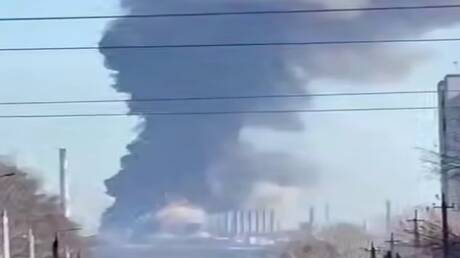
A fire broke out today at the 'Nizhnekamskneftekhim' petrochemical plant in Tatarstan, southern Russia, resulting in the death of one individual and injuries to 50 others. The blaze, which was triggered by a technical incident, caused panic in the area and prompted emergency response teams to spring into action.
This incident is one of the alarming industrial accidents that raise questions about safety standards in industrial facilities across Russia. The injured have been transported to nearby hospitals for treatment, with reports indicating that some cases are critical.
Details of the Incident
The fire occurred early this morning, igniting in a critical section of the plant. Firefighting teams responded quickly to control the blaze, but damage had already been inflicted on several workers. The company has confirmed that it will conduct a thorough investigation to determine the causes and details of the incident.
The plant, one of the largest petrochemical facilities in the region, plays a vital role in the local economy and provides numerous job opportunities. This incident highlights the risks associated with heavy industries, especially given the current conditions facing the Russian industrial sector.
Background & Context
Tatarstan, located in the heart of Russia, is considered one of the important industrial regions of the country, housing several major factories that contribute to the national economy. However, the area has witnessed several industrial accidents in recent years, raising concerns about the safety of workers and residents.
Industrial accidents are not new to Russia, which has experienced numerous disasters in the past, such as the explosion at the 'Bryazov' plant in 2018, which resulted in multiple fatalities and injuries. These incidents underscore the urgent need to enhance safety standards and enforce them rigorously across all industrial facilities.
Impact & Consequences
The repercussions of this incident could be far-reaching, potentially affecting the reputation of the company that owns the plant, as well as the petrochemical industry in Russia as a whole. This accident may increase pressure on the Russian government to improve safety standards in industrial facilities, which could require additional investments in infrastructure and training.
Additionally, the incident could lead to production delays at the plant, impacting supply chains and increasing costs. Other companies in the sector may also be affected, as they might take additional precautionary measures to avoid similar incidents.
Regional Significance
Considering the economic ties between Russia and Arab countries, industrial accidents like this could impact cooperation in the fields of energy and petrochemicals. Many Arab nations rely on importing chemicals and petrochemicals from Russia, and any disruption in production could affect Arab markets.
Moreover, industrial accidents may raise concerns about the safety of imported products, prompting Arab nations to reassess their trade policies with Russia. Amid global economic challenges, it is crucial for Arab countries to stay informed about developments in key markets like Russia.
In conclusion, industrial accidents remain a significant challenge that requires immediate and effective responses from all stakeholders involved. Strengthening safety standards and enforcing them rigorously is the only way to ensure the protection of workers and surrounding communities.