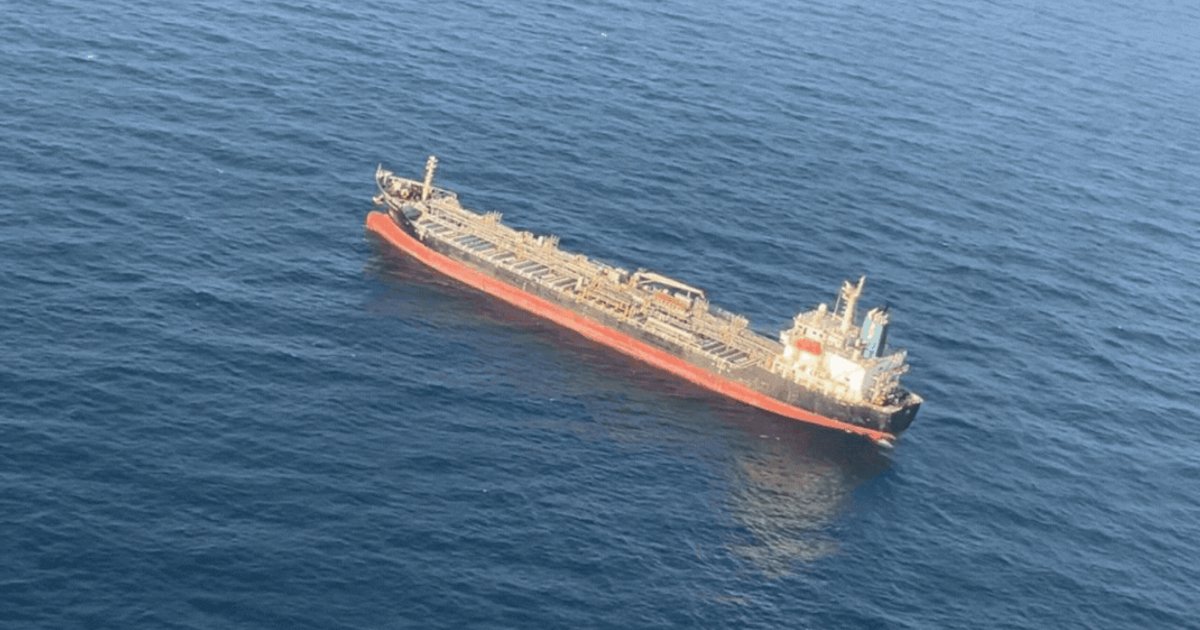
Authorities in Dubai responded to a fire on a Kuwaiti oil tanker caused by a drone attack on Tuesday. The incident occurred in the waters of the Arabian Gulf, raising widespread concerns about maritime safety in the region, which is experiencing increasing tensions.
This incident is part of a series of attacks targeting oil tankers in recent years, highlighting the security risks facing the region. Firefighting teams were dispatched to the scene to control the blaze, while the surrounding area was closed off to ensure navigational safety.
Details of the Incident
According to initial reports, the Kuwaiti tanker was attacked by a drone while it was in Dubai's territorial waters. The fire that erupted on the tanker resulted in thick smoke rising, necessitating a swift response from firefighting teams and maritime authorities. No injuries among the crew of the tanker have been reported so far, but investigations are underway to determine the circumstances of the attack.
It is noteworthy that attacks on oil tankers in the Arabian Gulf are not new, as the region has witnessed several similar incidents in recent years, raising concerns about global energy security.
Background & Context
Historically, the Arabian Gulf region has experienced increasing tensions due to political and security conflicts. Attacks on oil tankers are part of the broader struggle between regional and international powers. In recent years, attacks on commercial vessels have increased, negatively impacting maritime traffic and leading to rising oil prices.
Kuwait is one of the major oil-producing countries in the region, and any threat to the safety of its tankers could have significant economic repercussions. Additionally, attacks on oil tankers raise concerns for neighboring countries, which rely on regional stability to ensure their economic security.
Impact & Consequences
The attack on the Kuwaiti tanker could escalate tensions in the region, potentially affecting global oil prices. If attacks continue, concerned countries may take additional security measures to protect their vessels, which could increase transportation costs and impact global markets.
This incident may also prompt countries to reassess their security strategies in the region, potentially leading to an increased military presence in the Arabian Gulf. This situation could raise fears of further escalation in regional conflicts.
Regional Significance
This incident serves as a reminder of the fragility of security in the Arabian Gulf, which is a vital hub for global oil trade. Any threat to maritime safety can impact all Arab countries, especially those that rely on oil as a primary source of revenue.
Moreover, the escalation of tensions could affect foreign investments in the region, potentially leading to slower economic growth. Under these circumstances, Arab countries must cooperate to enhance maritime security and protect their economic interests.
In conclusion, the situation in the Arabian Gulf remains under close observation, as concerned countries must take urgent steps to ensure maritime safety and protect their economic interests.