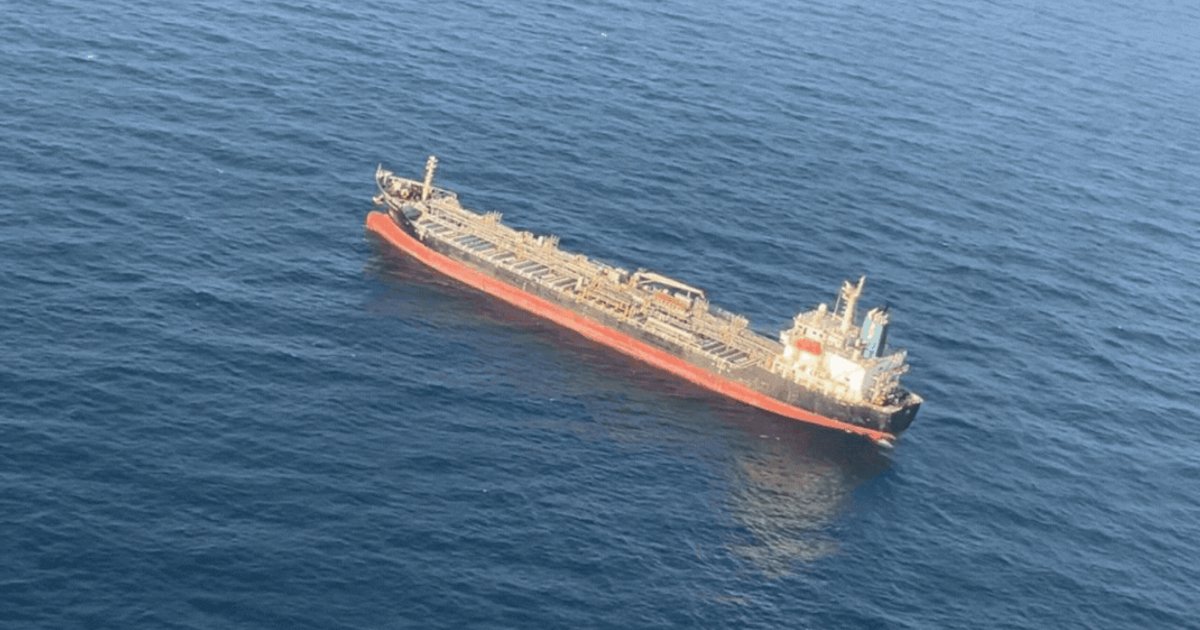
A fire broke out on a Kuwaiti oil tanker after it was targeted by a drone in the waters of Dubai, prompting marine firefighting teams to respond to the incident. This event occurs at a sensitive time when the region is experiencing heightened tensions, raising concerns about maritime safety.
The tanker, which was carrying a shipment of oil, was attacked late last night, with initial reports indicating that the drone targeted the vessel directly. Marine firefighting teams managed to control the fire, but the damage to the tanker is still being assessed.
Details of the Incident
The incident occurred in an area close to Dubai's territorial waters, where the tanker was sailing on its usual route. The origin of the drone that targeted the tanker has not yet been identified, adding ambiguity to the motives behind the attack. Local authorities have initiated an investigation into the incident, with experts called in to determine the type of drone used.
This incident is part of a series of attacks that have targeted oil tankers in the region, reflecting the escalating geopolitical tensions in the Arabian Gulf. It is worth noting that the area has witnessed numerous attacks on commercial vessels in recent years, affecting maritime traffic and energy security.
Background & Context
Historically, the waters of the Arabian Gulf have seen ongoing tensions due to regional disputes, particularly between Iran and Arab states. Attacks on oil tankers have become a recurring phenomenon, with some groups seeking to use these methods to send political or economic messages.
In 2019, several tankers were subjected to similar attacks, leading to increased tensions between the United States and Iran. Such events also impact global oil prices, contributing to heightened concerns about supply stability.
Impact & Consequences
The attack on the Kuwaiti tanker could lead to negative repercussions for maritime traffic in the region, as countries may implement stricter security measures to protect their vessels. Additionally, the incident may contribute to rising oil prices, as the market reacts to any news related to supply safety.
Moreover, this incident could escalate tensions between the involved countries, increasing the likelihood of further attacks in the future. It is crucial for the concerned nations to remain vigilant against potential threats.
Regional Significance
The incident reflects the security challenges faced by Arab countries in the Gulf region, where risks to trade and navigation are increasing. Furthermore, this type of attack can affect relations between Arab states and major powers, necessitating a coordinated response to address the threats.
Under these circumstances, Arab nations must enhance security cooperation and information sharing to tackle common challenges. The incident underscores the importance of having effective strategies to protect maritime navigation and ensure the safety of oil supplies.