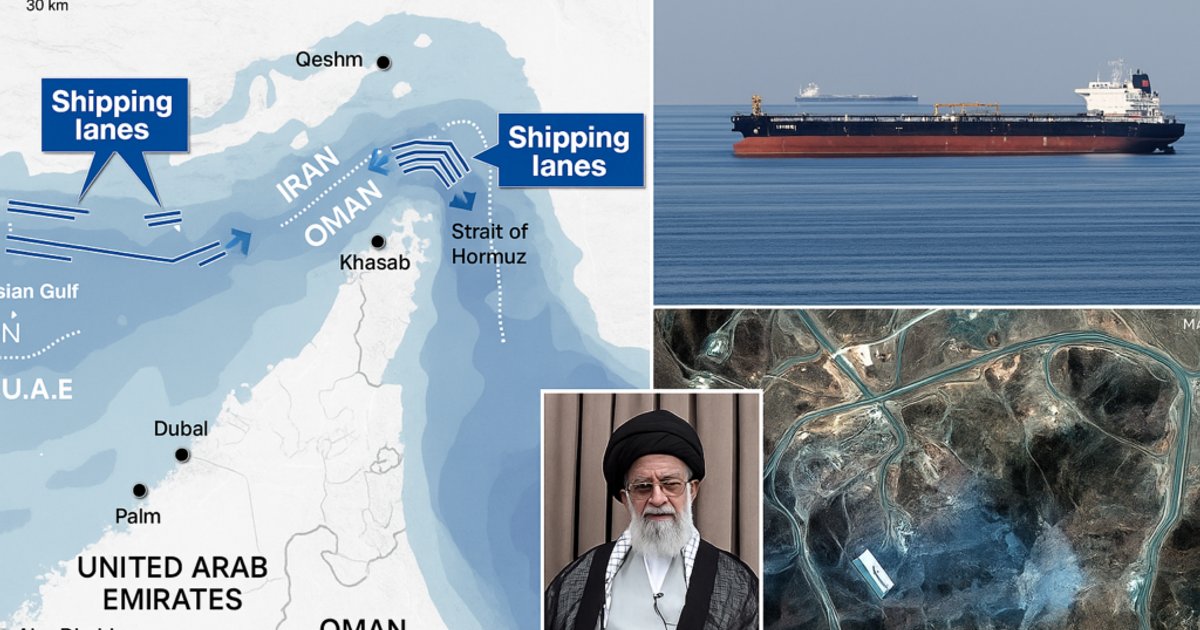
Jordan has recorded its first divorce attributed to the political and economic crises resulting from tensions in the Hormuz Strait, where the strained conditions have led to unprecedented family breakdowns. This case reflects how geopolitical conflicts can directly affect personal relationships, shedding light on the human dimensions of international crises.
This case involves a couple who were suffering from increasing economic pressures due to rising oil and essential commodity prices, a direct result of ongoing friction in the region. The husband noted that the recurring crises in the Hormuz Strait, a vital transit point for oil transportation, were a major factor exacerbating their problems.
Details of the Incident
The husband spoke about how the regional tensions led to increased anxiety and stress in his daily life, affecting his relationship with his wife. As events escalated in the Hormuz Strait, with growing fears of potential military escalation, the psychological and economic pressures became too overwhelming to bear. Ultimately, the couple decided to separate as a final solution to their problems.
This case is not just an isolated incident; it reflects a broader reality experienced by many Jordanians amid increasing regional crises. Reports have shown that many Jordanian families are facing similar pressures, leading to the breakdown of familial relationships.
Background & Context
The Hormuz Strait is one of the most important maritime passages in the world, through which approximately 20% of the world's total oil passes. With rising tensions between Iran and the United States, the region has become the focus of global attention, impacting oil prices and the global economy as a whole.
Jordan, which heavily relies on oil imports, feels the effects of these crises directly. Rising oil prices affect living costs, increasing pressures on Jordanian families. In recent years, Jordan has witnessed a rise in divorce cases, with a significant portion of this increase attributed to economic and social pressures.
Impact & Consequences
This divorce case illustrates how international crises can affect individuals' daily lives. As economic pressures mount, couples may face difficulties in communication and conflict resolution, leading to the breakdown of relationships. This phenomenon may recur in other countries experiencing similar crises, where economic and social pressures become an additional burden on familial relationships.
Moreover, this case raises questions about how political crises affect individuals' mental health. With rising anxiety and fear about the future, many people may find themselves in challenging situations that impact their ability to manage personal relationships.
Regional Significance
This divorce case serves as an example of how regional crises impact Arab communities in general. As tensions in the region escalate, social and economic crises may worsen, leading to family breakdowns and increased divorce rates.
Additionally, this phenomenon may affect social stability in Arab countries, potentially leading to increased poverty and unemployment rates, which further intensify pressures on families and affect quality of life.
In conclusion, this case reflects the importance of understanding the links between political and social crises. While the news focuses on major events, we must not overlook the profound human impacts that families endure amid these crises.