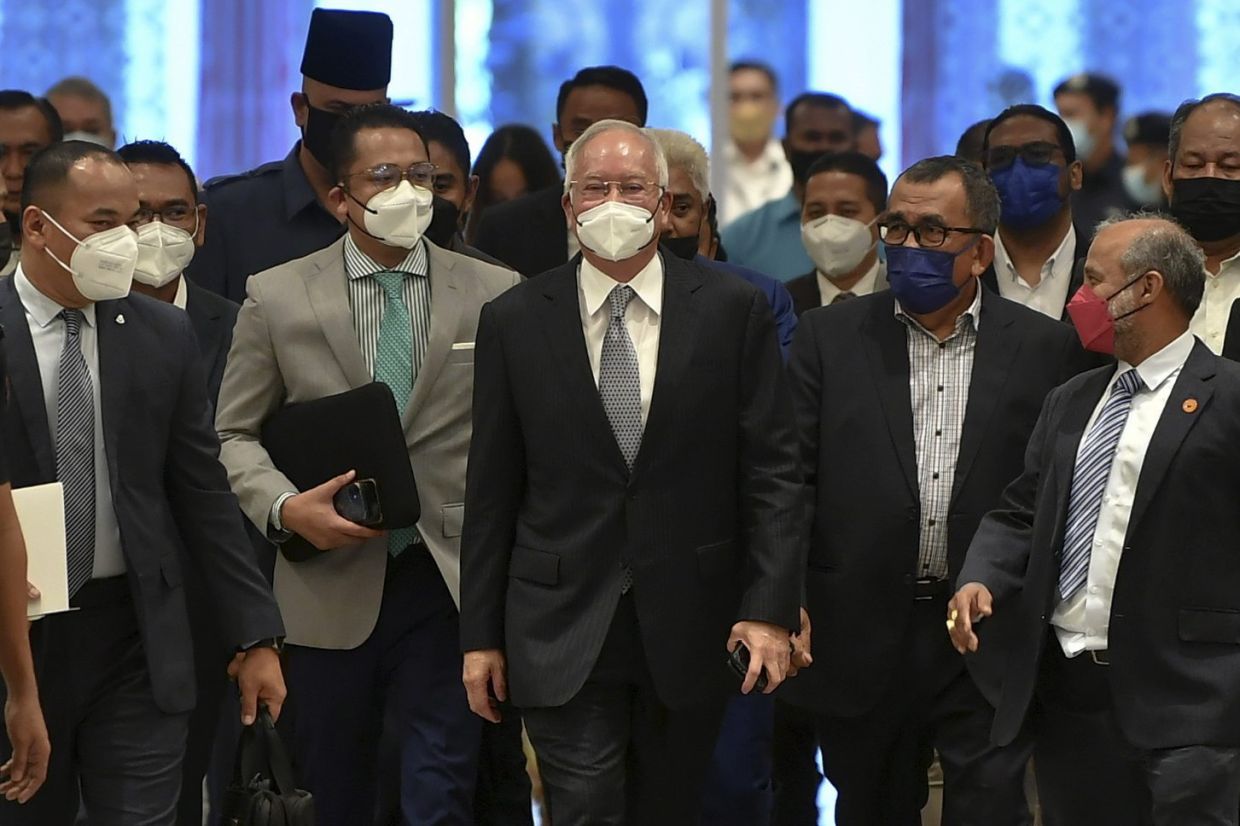
Today in Damascus, the first public trial of a security official from the regime of ousted president Bashar al-Assad begins, with Atef Najib, former head of the Political Security Branch in Daraa, standing before the criminal court. This trial represents a significant step towards holding accountable those responsible for the violations suffered by Syrians during years of conflict, and it raises questions about the possibility of initiating transitional justice in the country.
The trial of Najib comes as the first public test of the demand for transitional justice in Syria, where Syrians have been calling since the fall of the regime on December 8, 2024 for a clear judicial path to address violations and hold criminals accountable. The National Commission for Transitional Justice has announced that this trial is part of addressing files of crimes and serious violations according to legal procedures.
Details of the Event
Atef Najib, who is a cousin of Bashar al-Assad, headed the Political Security Branch in Daraa until the beginning of the Syrian revolution in 2011. He played a prominent role in pursuing opponents and activists, especially during the incident involving the detention of children in Daraa who were tortured after writing anti-regime slogans on the walls of their school. This incident ignited widespread protests in the city, prompting residents to demand the release of the children and accountability for those responsible.
After the fall of the regime, Najib was arrested in January 2025 during a security campaign to pursue remnants of the former regime. His arrest is considered one of the most significant detentions of former security officials, given his sensitive position in Daraa at the beginning of the revolution. Minister of Justice Muzher al-Wais confirmed that public trials will begin from the events in Daraa, emphasizing the importance of starting the trial process from the city that witnessed the beginning of the revolution.
Background & Context
Transitional justice refers to a set of measures adopted by countries emerging from authoritarian rule or widespread conflict to address the legacy of violations. In the Syrian case, the director of the Syrian Network for Human Rights, Fadel Abdul Ghani, identifies four interconnected pillars for establishing a path for transitional justice: criminal accountability, truth revelation, reparations, and reform of judicial and security institutions.
However, the Syrian path towards transitional justice still lacks a clear legal framework that defines how to deal with the crimes of the former regime. Syrian law permits the prosecution of perpetrators of crimes such as murder and torture, but it does not include sufficient tools to address widespread crimes like war crimes and crimes against humanity.
Impact & Consequences
If former officials are tried solely under criminal laws, the cases may be limited to specific actions and penalties, leading to a loss of the nature of the crimes committed within a broader state policy against civilians. Therefore, Syrian human rights advocates are calling for the establishment of specialized courts or divisions, and for leveraging international legal expertise to ensure that trials are not divorced from the larger context of violations.
Academic and political researcher Kamal Aboud pointed out that the path of transitional justice in Syria cannot be separated from civil peace, as Syrian society suffers from deep sectarian divisions. Therefore, any step in the field of transitional justice should precede steps in civil peace to avoid slipping into internal conflict.
Regional Significance
Experiences of transitional justice in other countries, such as truth and reconciliation commissions in South Africa and special courts in Rwanda, offer important lessons for Syria. These experiences show that the choice of transitional justice tools depends on the nature of the crimes and the state of the country after the conflict, and not merely on the initiation of trials.
In Syria, files of wanted individuals and those accused of violations are distributed across several levels, from Bashar al-Assad and senior officials to army officers and investigators. With the start of Najib's trial, Syrians hope that this step will be the beginning of a broader process that includes all those responsible for violations.
However, transitional justice requires more than just one court. It necessitates a clear legal framework, an independent body, reliable judiciary, and the involvement of victims in the process. These elements are essential to ensure the achievement of true justice in Syria.