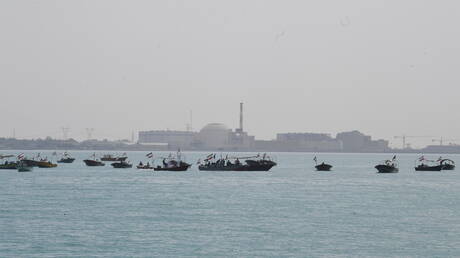
The Strait of Hormuz, one of the world's most crucial maritime passages, has seen notable maritime activity with the crossing of the first two ships after a recently announced ceasefire. This step represents a milestone in the negotiation efforts aimed at easing tensions in the region.
These developments come after a period of military escalation in the area, during which commercial vessels were avoiding passage through the strait due to fears of attacks. With the announcement of the ceasefire, ships have begun to return to their normal operations, reflecting an improvement in the security situation.
Details of the Event
The Iranian authorities announced a ceasefire, allowing for the temporary reopening of the Strait of Hormuz. This decision followed intense negotiations between the involved parties, where terms of the ceasefire were agreed upon to enhance maritime security.
The first crossing of the two ships signifies a new beginning in maritime relations and reflects the parties' desire to achieve stability. The vessels that crossed the strait are carrying commercial shipments, indicating a restoration of confidence in maritime safety.
Background & Context
The Strait of Hormuz is one of the most important waterways in the world, through which approximately 20% of the world's oil passes. Over the years, the strait has witnessed increasing tensions due to regional conflicts, impacting navigation.
In recent years, the intensity of conflicts between Iran and the United States has escalated, leading to repeated threats to navigation in the strait. However, the recent ceasefire may open the door to new opportunities for cooperation among the concerned nations.
Impact & Consequences
The reopening of the Strait of Hormuz could lead to improved economic conditions in the region, as many countries rely on this passage for exporting their goods. Additionally, the restoration of navigation may contribute to lowering global oil prices.
The impact of this step may also extend to international relations, as it could lead to a reduction in tensions between Iran and Western nations, contributing to greater stability in the region.
Regional Significance
The Arab countries neighboring the Strait of Hormuz are among the most affected by the recent developments. The stability of navigation in the strait means economic stability for these nations, which depend on oil and gas exports.
This step may also enhance cooperation opportunities between Arab countries and Iran, potentially contributing to achieving security and stability in the region as a whole.
In conclusion, the crossing of the first two ships through the Strait of Hormuz after the ceasefire announcement represents a positive step towards enhancing maritime security and restoring confidence in commercial navigation. It remains to be seen how the situation will evolve in the coming period.