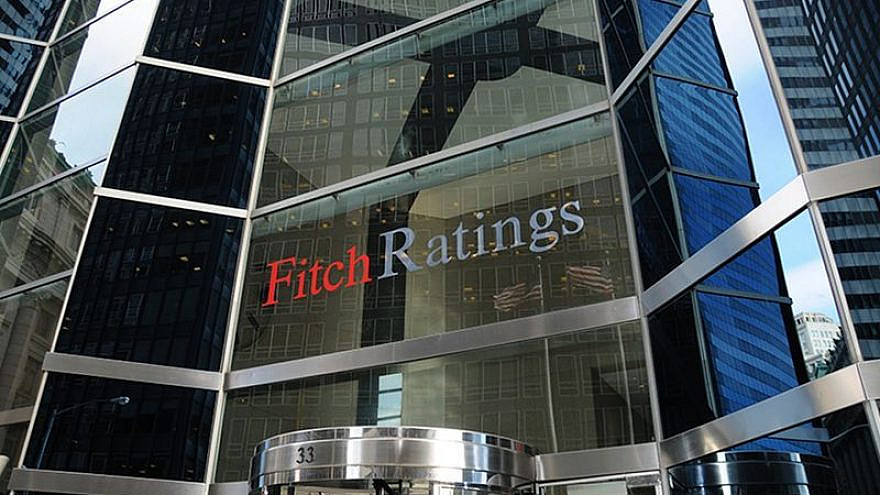
Fitch Ratings has announced that it will keep its negative outlook on Israel's credit rating, reflecting growing concerns about the country's financial situation. The agency indicated that the financial deficit in Israel is expected to grow in the coming years, increasing pressure on the Israeli economy.
This move comes at a sensitive time for Israel, as the government faces multiple economic challenges, including rising living costs, slowing economic growth, and increasing public debt. These factors have significantly impacted the government's ability to manage the budget and achieve financial stability.
Details of the Announcement
In its latest report, Fitch confirmed that the negative outlook reflects concerns over the Israeli government's inability to control the rising financial deficit. Data has shown that the budget deficit has reached unprecedented levels, raising questions about the government's ability to meet its financial objectives.
The agency also added that political and social tensions in the country could negatively affect economic stability. In recent years, Israel has witnessed waves of public protests, complicating the political and economic landscape.
Background & Context
Historically, Israel has enjoyed a high credit rating, which has helped attract foreign investments. However, the current economic challenges, including the impact of the COVID-19 pandemic, have led to a deterioration of the financial situation. Reports indicate that public debt in Israel has risen significantly, increasing financial risks.
Although the Israeli government has taken steps to improve the financial situation, challenges remain. Studies have shown that economic growth in Israel has slowed, further increasing pressure on the public budget.
Impact & Consequences
The negative outlook from Fitch is expected to affect Israel's ability to borrow from financial markets. This could lead to increased borrowing costs, adding to the financial burden on the government. Additionally, a downgrade in credit rating may impact investor confidence in the Israeli economy, potentially leading to a decline in foreign investments.
Moreover, an increase in the financial deficit could lead to cuts in government spending on public services, negatively affecting citizens' living standards. Under these circumstances, the Israeli government may find itself compelled to adopt austerity measures, which could exacerbate social conditions.
Regional Significance
The economic situation in Israel is particularly significant for the Arab region, as it can affect economic and political relations between Israel and Arab countries. If the financial situation continues to deteriorate, it may lead to increased tensions in the region, especially amid the economic crises faced by some Arab nations.
Furthermore, a declining Israeli economy may open up new opportunities for Arab countries to strengthen their economic ties with one another, potentially contributing to greater stability in the region. Ultimately, Israel's financial situation will remain under scrutiny, as observers monitor its impact on security and stability in the area.