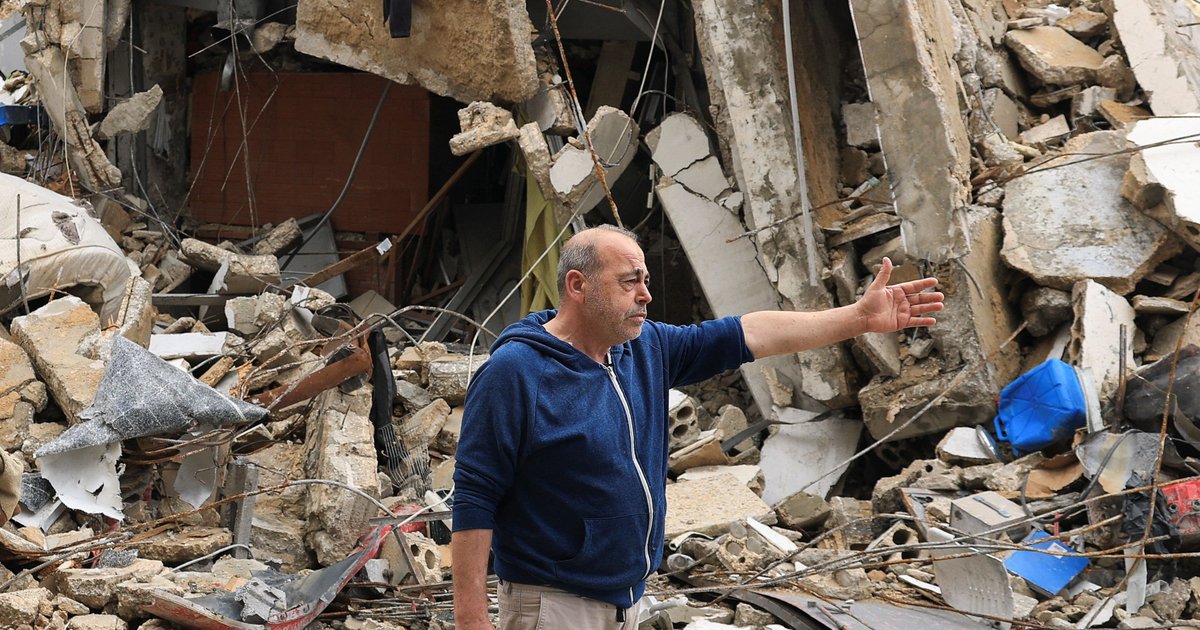
Official Iranian sources have announced the death of five individuals in a joint attack by the United States and Israel on the city of Qom, located south of the Iranian capital, Tehran. The attack targeted multiple areas within the city, as confirmed by the Deputy Governor of Qom to the semi-official news agency SNN.
Initial reports indicate that the attack resulted in significant damage; however, precise details regarding the nature and objectives of the assault remain unclear. This incident is part of a series of attacks that have targeted Iranian sites in recent years, further escalating tensions in the region.
Details of the Incident
The city of Qom is considered a vital religious center in Iran, housing numerous religious institutions and universities. The city has previously faced attacks, highlighting its strategic importance in the regional conflict. The recent assault occurs at a sensitive time, with rising tensions between Iran, the United States, and its allies.
While specific details regarding the targeted sites have not been disclosed, it is believed that the attack may be linked to US and Israeli efforts to curtail Iran's influence in the region. Previous attacks on Qom have primarily aimed at military infrastructure or research and development centers.
Background & Context
Historically, relations between Iran and the United States have been marked by increasing tensions since the Islamic Revolution in 1979. US and Israeli attacks on Iranian territory are not new, with numerous military and intelligence operations conducted in recent years. These operations often aim to undermine Iran's nuclear activities or support anti-Iranian groups in the region.
As a religious center, Qom plays a pivotal role in shaping Iranian policies, making it a potential target for attacks. Assaults on Qom could provoke strong reactions from the Iranian government, which may view them as an infringement on its sovereignty.
Impact & Consequences
The recent attack may lead to heightened tensions in the region, with Iran likely to respond in various ways, either by increasing military activities or by strengthening cooperation with its regional allies. Military escalation could have negative repercussions for regional security and increase the likelihood of new conflicts.
This attack may also affect ongoing nuclear negotiations between Iran and major powers, as Iran might perceive these assaults as evidence of the other parties' lack of seriousness in reaching a lasting agreement. The escalation of attacks could complicate the political landscape in the region.
Regional Significance
Given the current situation, the attack on Qom could have direct implications for neighboring Arab countries, particularly those sharing borders with Iran. Gulf states, in particular, may experience heightened concerns regarding escalating tensions, prompting them to bolster their defensive capabilities.
This attack could also provoke reactions from Iran-backed armed groups in the region, which may carry out retaliatory strikes against US or Israeli interests. The situation in the region requires careful monitoring, as any escalation could lead to new crises affecting regional security.