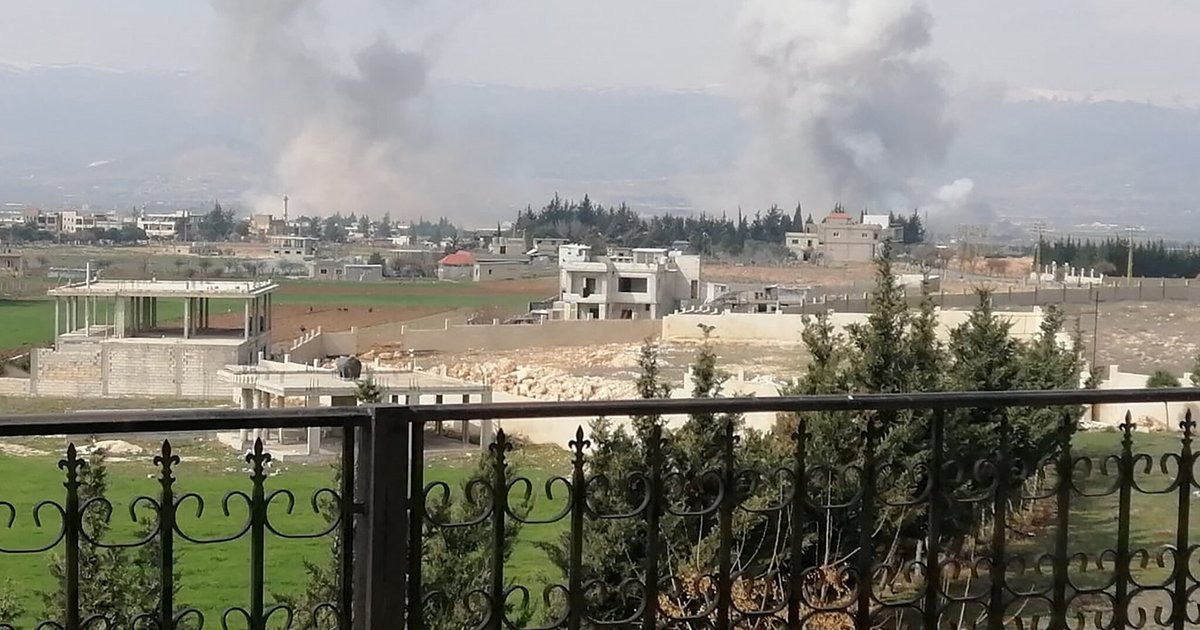
Five people were killed and three others injured on Tuesday as a result of Israeli airstrikes targeting scattered areas in southern Lebanon. One of the strikes hit a car in the Qasmiyeh area, resulting in the deaths of two individuals and injuries to three others, while another strike on the town of Deir Kifa led to two fatalities, according to the Lebanese news agency.
Local sources also reported that another young man was killed due to Israeli airstrikes in a different area, reflecting the escalating tensions in the region. These airstrikes come at a sensitive time, as fears of a larger military escalation in Lebanon are growing.
Details of the Incident
Israeli airstrikes on Lebanon continue, with recent attacks focusing on southern regions experiencing increasing security fluctuations. Images from the area have shown the devastation left by the strikes, exacerbating the suffering of civilians who are already grappling with economic and humanitarian crises.
It is noteworthy that the Israeli airstrikes are part of Tel Aviv's policy aimed at reinforcing its control over border areas. Israeli Defense Minister Yoav Katz stated that his country would not hesitate to expand its military operations up to the Litani River, raising significant concerns within Lebanese political circles.
Background & Context
Historically, Lebanese-Israeli relations have been marked by ongoing tensions, especially since the 2006 war, with intermittent clashes still occurring along the border. The political situation in Lebanon is complex, suffering from multiple internal crises, which further increases the fragility of the security situation.
The Israeli airstrikes are considered part of a broader strategy aimed at preventing any potential threats from Hezbollah or other armed groups in the region. These strikes have elicited strong reactions from the Lebanese government, which has called on the international community to intervene to halt the Israeli aggressions.
Impact & Consequences
The Israeli airstrikes are worsening the humanitarian situation in Lebanon, where residents are facing acute shortages of essential resources, along with deteriorating economic conditions. Additionally, the military escalation could lead to a larger conflict, threatening the stability of the entire region.
The international community views these events as a wake-up call, with many countries urging the need for peaceful solutions to the conflict. However, hostile statements from both sides complicate peace efforts.
Regional Significance
Events in Lebanon directly impact regional security, raising concerns about escalating conflicts in neighboring countries such as Syria and Palestine. The tensions in Lebanon could reignite sectarian conflicts, further complicating the political landscape in the region.
In light of these circumstances, Arab citizens are looking towards stability in Lebanon, as the stability of this country is considered essential for regional security. Recent events remind everyone that peace in the region remains elusive.