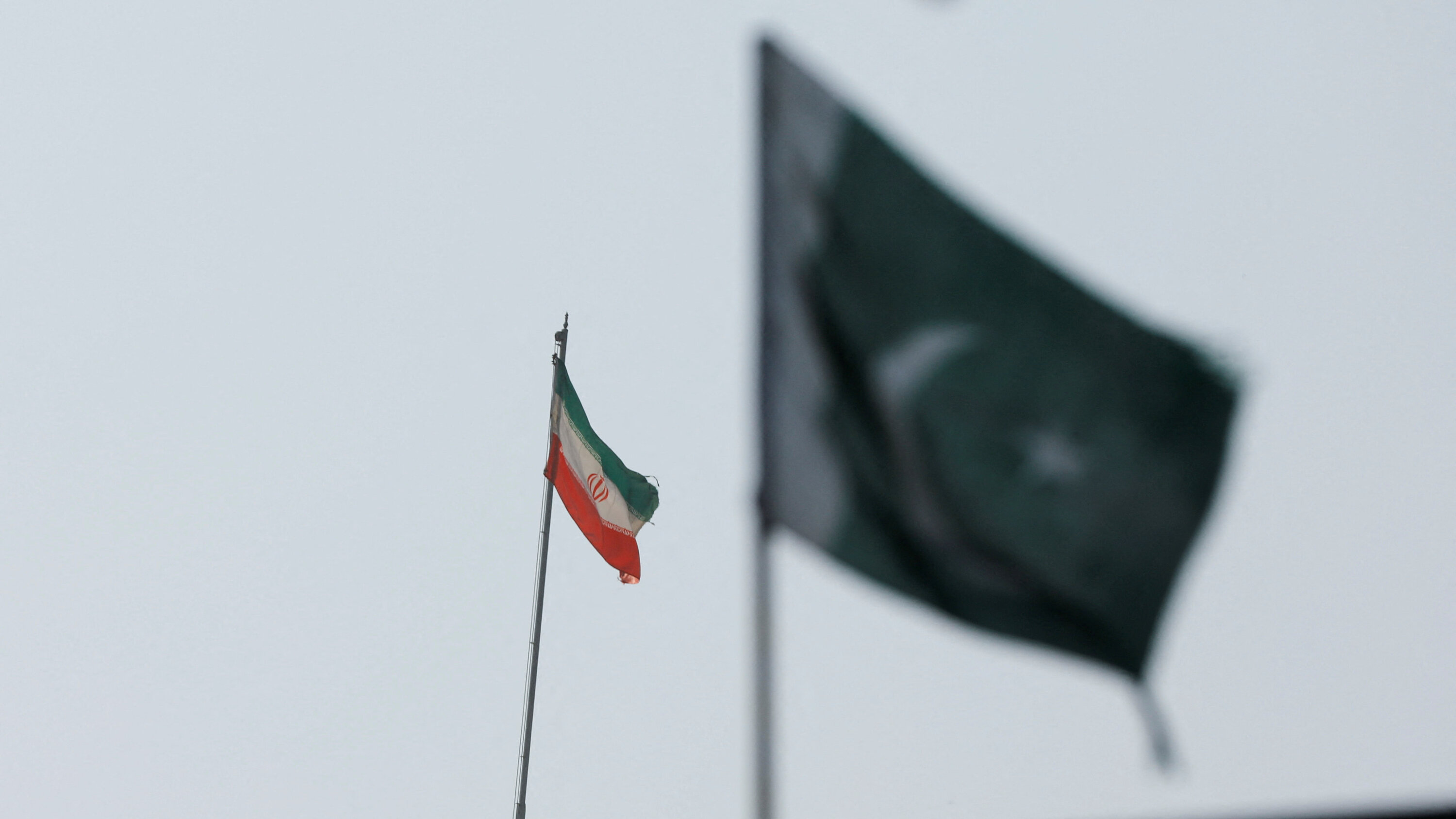
China and Pakistan announced today, Tuesday, the launch of a five-point initiative aimed at restoring peace and stability in the Middle East, following the visit of Pakistani Deputy Prime Minister and Foreign Minister Ishaq Dar to Beijing.
This initiative comes two days after Pakistan hosted a quadrilateral meeting that brought together the foreign ministers of Saudi Arabia, Egypt, and Turkey to discuss ways to end the escalating conflict in the region.
Details of the Initiative
In a press conference, Chinese Foreign Ministry spokesperson Mao Ning confirmed that the foreign ministers of China and Pakistan will work to enhance communication and strategic coordination regarding the situation in Iran, emphasizing that the two countries consider each other strategic partners under all circumstances.
The announced initiative includes five main points, with Pakistan and China calling in the first point for an immediate cessation of hostilities, stressing the need for humanitarian aid to be delivered to affected areas.
In the second point, the initiative emphasized the importance of starting peace talks as soon as possible, while respecting the sovereignty of Iran and the Gulf states, as well as their independence and national security. It also called on the concerned parties to commit to resolving disputes peacefully and to cease threats of using force.
The third point stressed the necessity of protecting civilian targets and adhering to international humanitarian law, demanding that the conflicting parties stop attacks on civilians and critical infrastructure.
Finally, the initiative called for the promotion of genuine multilateralism and enhancing the role of the United Nations in achieving lasting peace.
Background & Context
This initiative comes at a sensitive time, as the region has witnessed an escalation in conflicts, especially after the United States and Israel began a war against Iran on February 28, resulting in thousands of casualties. Iran has responded by launching missiles and drones at targets in Israel, further intensifying tensions in the region.
China, a key partner of Iran, seeks to play a mediating role in the conflict, having repeatedly called for a ceasefire. On the other hand, Pakistan is one of China's closest allies in the region and has offered to host direct negotiations between the United States and Iran.
Impact & Consequences
If the Chinese-Pakistani initiative succeeds, it could help alleviate tensions in the Middle East, potentially leading to regional stability. This step also reflects increasing efforts by regional and major powers to mediate in conflicts.
This initiative is also an indicator of changing regional dynamics, as China and Pakistan aim to enhance their roles as mediators in regional issues, which could alter the balance of power in the area.
Regional Significance
Arab countries are directly affected by conflicts in the Middle East, as stability in Iran is a crucial factor for regional security. If the initiative is successfully implemented, it could lead to improved relations between Gulf states and Iran, contributing to peace in the region.
In conclusion, hopes remain pinned on the success of this initiative in achieving the desired stability amidst the significant challenges facing the region.