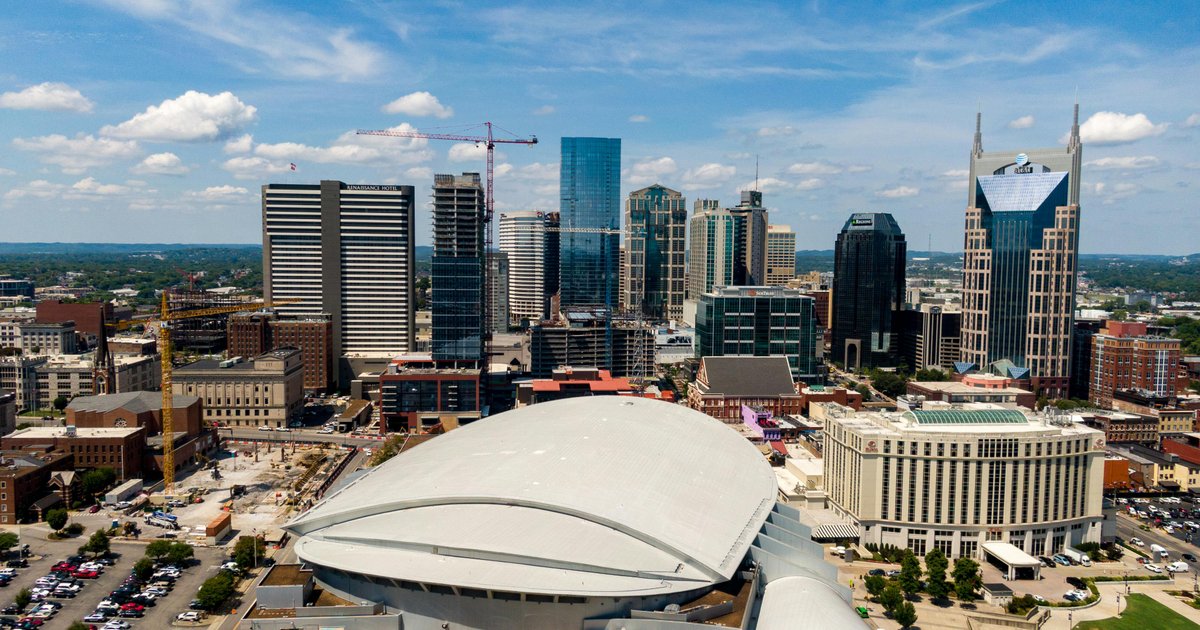
Five iconic towers around the world stand out with their sharp features and powerful designs, reflecting the evolution of modern architecture. These structures are not just architectural feats; they symbolize innovation and cultural identity.
Located in major cities worldwide, each of these towers represents a beacon of progress and advancement. Through their unique designs, these towers emerge as prominent landmarks that reflect diverse cultures and rich histories.
Event Details
The list includes towers such as the Burj Khalifa in Dubai, which is considered the tallest in the world, reaching a height of 828 meters. It features a unique design that combines traditional and modern elements, making it a major tourist attraction.
Additionally, there is the Eiffel Tower in Paris, regarded as a symbol of the city, characterized by its unique iron design that attracts visitors from around the globe. These towers are not merely structures; they embody the spirit of the cities that host them.
Background & Context
The history of architectural towers dates back to ancient times when they were used as symbols of power and wealth. In the modern era, these towers have evolved to express innovation and technological advancement. As architecture has progressed, towers have come to reflect the cultural identity of cities.
Modern towers are a manifestation of urban development, utilizing advanced techniques in design and construction. This evolution mirrors the social and economic changes occurring globally.
Impact & Consequences
These towers significantly impact tourism and the local economy. They attract visitors from all over the world, contributing to the enhancement of the local economy. Furthermore, they play an essential role in promoting the cultural identity of the cities.
Moreover, these towers improve the quality of life by providing public spaces and parks, enriching the experience for both visitors and local residents.
Regional Significance
In the Arab region, towers like the Burj Khalifa in Dubai and the Kingdom Tower in Jeddah symbolize progress and innovation. These towers reflect the ambitious aspirations of Arab countries in construction and development.
They also contribute to enhancing tourism in the region, improving the overall image of Arab nations on the international stage.
In conclusion, these towers represent more than just architectural structures; they embody human aspirations and technological advancement. Each tower reflects the culture and identity of the city it inhabits, making them a focal point of global interest.