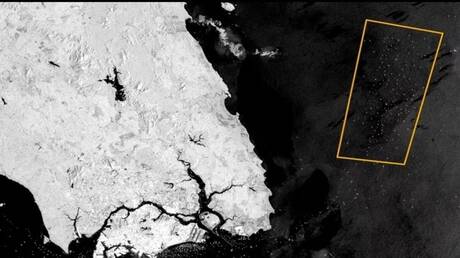
CNN has revealed the existence of a floating station off the coast of Malaysia, utilized for laundering Iranian oil and secretly transferring it between ships. This operation aims to conceal the source of Iranian oil, facilitating its smuggling to China away from the oversight of U.S. sanctions imposed on Tehran.
This station is part of a complex network of operations that seeks to circumvent the sanctions imposed on Iran, aimed at reducing its ability to export oil. Reports indicate that these operations involve transferring oil between several ships, making it difficult to trace its origin.
Details of the Operation
According to reports, the floating station operates in a strategic area, where maritime and logistical conditions allow it to function out of sight. It is believed that these operations began in recent years, coinciding with increasing international pressure on Iran due to its nuclear program and regional policies.
Reports show that Iranian oil is laundered through complex processes that involve mixing it with other oils, making it difficult to determine its original source. These operations are carried out by private companies, complicating international efforts to monitor Iranian oil trade.
Background & Context
Historically, Iran has faced stringent economic sanctions since 2012, when the United States and its allies imposed sanctions aimed at reducing Iranian oil exports. These sanctions have significantly impacted the Iranian economy, prompting Tehran to seek new ways to export its oil.
In recent years, Iran has increased its cooperation with countries like China, which is considered one of the largest importers of Iranian oil. This cooperation is seen as part of Iran's strategy to overcome sanctions, as it seeks to find alternative markets for its oil.
Impact & Consequences
Reports indicate that these operations could exacerbate tensions between Iran and the United States, as oil smuggling is considered a direct violation of sanctions. Additionally, this situation may affect global oil prices, as it could lead to an increase in the supply of Iranian oil in the market.
Moreover, these activities could escalate maritime disputes in the region, as the United States may seek to enhance its military presence in waters near Malaysia to monitor these operations.
Regional Significance
These developments are significant for the Arab region, as they may impact the stability of oil markets and energy prices. Furthermore, Iran's continued oil smuggling could bolster its regional position, increasing tensions with Gulf Arab states.
At the same time, these circumstances may prompt Arab countries to strengthen their cooperation in energy and security to address the challenges arising from these activities.
The smuggling of Iranian oil via the floating station off Malaysia remains a complex issue requiring international attention, as it indicates Iran's ongoing search for ways to circumvent sanctions, potentially affecting security and stability in the region.