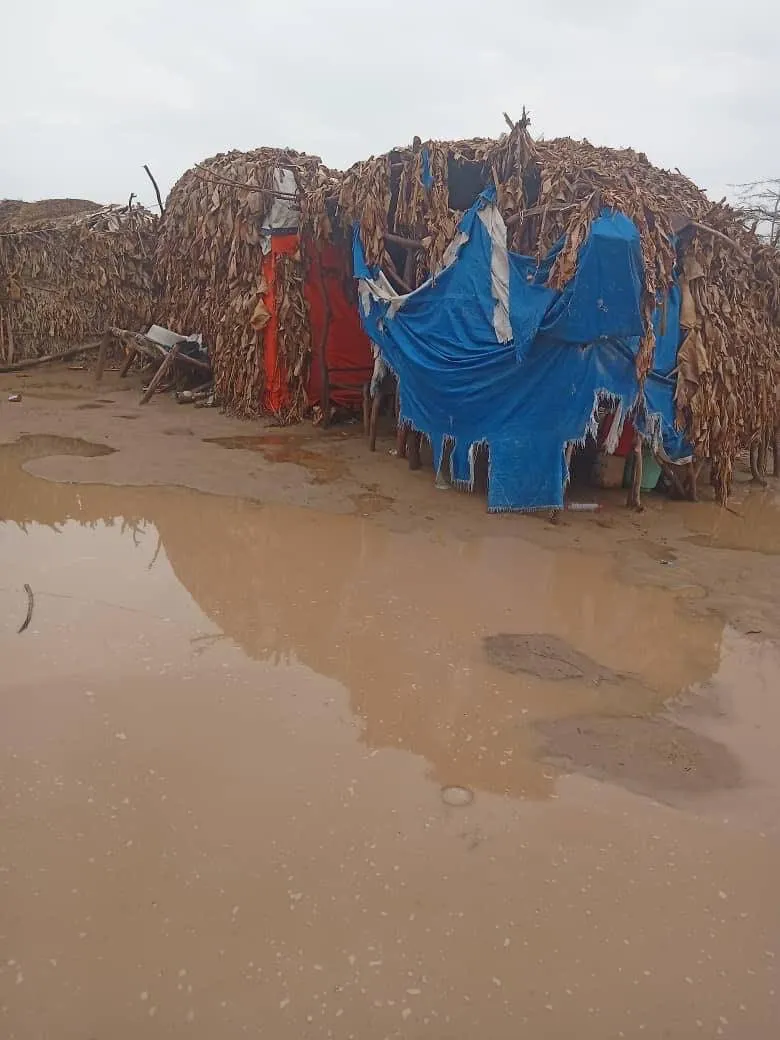
Recent data from both the United Nations and the Yemeni government indicates that the floods sweeping through several provinces have affected approximately 27,000 individuals over the past few days, amid warnings of persistent heavy rainfall expected to last until next month.
While final statistics on the number of affected individuals are not yet available, the United Nations has confirmed that it has managed to deliver humanitarian aid to around 13,000 affected individuals, whereas the government reported that over 14,000 people have been impacted in displacement camps in Marib province alone.
Details of the Incident
The floods continue to affect local communities, with many families losing their shelters and access to essential water sources. United Nations agencies have confirmed that they are working to support affected families in five provinces, reaching more than 13,000 people.
In Marib province, which hosts about 60 percent of internally displaced persons, 270 families have been completely affected, while 1,820 families have suffered partial damage, leading to the destruction of their homes and spoilage of food supplies.
Background & Context
These floods come at a time when Yemen is suffering from a severe humanitarian crisis, with around 5 million people living under dire conditions due to the ongoing war that has persisted for over 11 years. The floods have further complicated the situation, damaging essential infrastructure such as sewage systems and water tanks.
UN reports predict that heavy rainfall will continue until May, which may worsen the humanitarian conditions. According to forecasts, some areas may experience rainfall above the normal average, increasing the risk of flash floods.
Impact & Consequences
The humanitarian needs are significantly increasing, prompting the Executive Unit for the Management of Displacement Camps to call for urgent support for affected families. Emergency needs include the provision of 42,234 tarpaulins, in addition to distributing food baskets and cash assistance.
Reports also warn that increased rainfall could lead to a deterioration of the economic situation, as Yemen heavily relies on imports, potentially raising levels of poverty and hunger in the country.
Regional Significance
The situation in Yemen serves as an indicator of the humanitarian challenges faced by many Arab countries, reflecting the recurring crises and the urgent need for immediate humanitarian intervention. Furthermore, the ongoing floods may impact food security in the region, necessitating a swift response from the international community.
In conclusion, the situation in Yemen requires urgent steps to alleviate the humanitarian and economic burdens, as the recent floods serve as a stark reminder of the challenges the country faces.