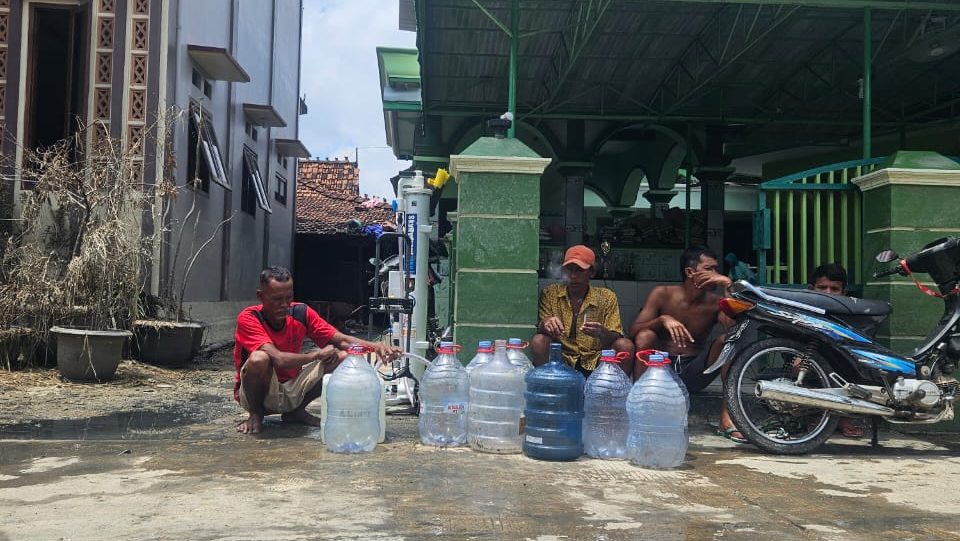
Heavy rainfall has caused flooding in Grobogan District, Indonesia, affecting 3,176 families in 16 villages on April 2. The floods swept through five areas, leading to damage to numerous homes.
According to statements from Wahyu Tri Dharmawanto, head of the Grobogan Disaster Management Agency, the flooding resulted from heavy rain that lasted from 3 PM to 9 PM, along with water flow from the Tuntang River and Serang River.
Details of the Event
The flooding was distributed across five areas in Grobogan District, with the Kidongjati area being the most affected, where 2,102 families were impacted across nine villages, including Watts, Kalimaro, and Jumo. Water levels in some areas reached between 10 to 50 centimeters.
Additionally, 11 homes were slightly damaged, particularly in the villages of Ngumbak and Kidongjati. In the Gubug area, water inundated the villages of Penadaran and Ringinharjo, affecting 814 families, with water levels ranging from 20 to 60 centimeters.
In the Tiguwano area, approximately 200 homes were affected in the villages of Sukorjo and Tanggerjo, disrupting educational activities at Elementary School No. 2 in Sukorjo.
Background & Context
Flooding in Indonesia is a recurring issue, as the country is periodically affected by climate changes and heavy rainfall. Historically, Indonesia has experienced numerous floods that have led to widespread destruction, necessitating rapid responses from the government and humanitarian agencies.
The Indonesian Disaster Management Agency is a key player in addressing natural crises, working to provide support and assistance to those affected by natural disasters.
Impact & Consequences
The floods have significantly impacted the daily lives of residents, hindering movement and causing property destruction. They also affect economic activities, exacerbating the suffering of local populations, especially in rural areas that rely on agriculture.
These conditions require an effective response from the government and humanitarian organizations to provide urgent assistance to those affected, including shelter, food, and healthcare.
Regional Significance
Although the floods in Indonesia may seem distant from the Arab region, the climate changes leading to these disasters affect all countries worldwide. Such events can serve as a wake-up call for Arab nations to be better prepared for natural disasters.
In conclusion, the floods in Indonesia exemplify the challenges faced by many countries in dealing with natural disasters, necessitating international cooperation to tackle these challenges.