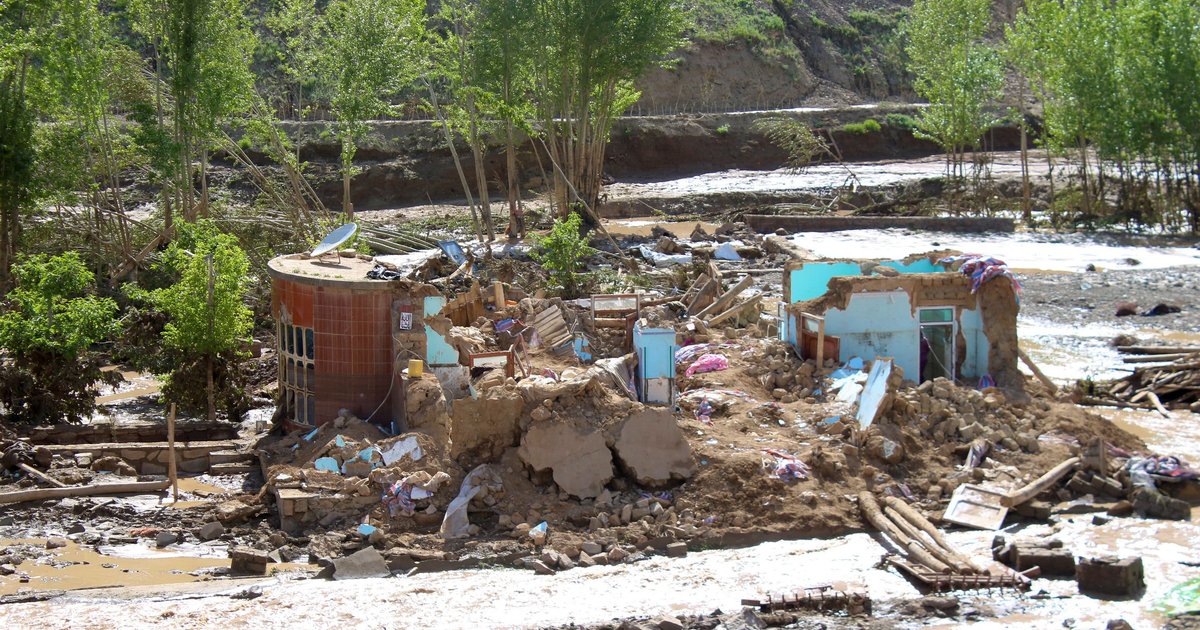
Severe floods and landslides in Afghanistan have resulted in the deaths of 77 people over a span of ten days, according to local authorities. This natural disaster has caused extensive damage to numerous homes and infrastructure across various parts of the country, increasing the hardships faced by residents who are already grappling with significant economic and health challenges.
The floods come at a time when the Afghan people are suffering from multiple crises, including food shortages and a lack of basic resources. Reports confirm that the most affected areas include provinces such as Badghis and Herat, where heavy rains have triggered landslides that have cut off roads and disrupted transportation.
Details of the Event
According to Afghan authorities, the floods that began in the last week have led to the destruction of many homes, with severe damage reported to infrastructure. There have also been reports of fatalities in remote areas, making it difficult to reach victims and provide necessary assistance.
Rescue teams are working to assist those affected, but adverse weather conditions are hindering their efforts. Humanitarian aid has been dispatched to the impacted regions, but logistical challenges remain significant.
Background & Context
Historically, Afghanistan has been prone to floods and landslides, especially in the spring when snow melts and heavy rains begin. However, the current situation is worsening due to the political and economic crises the country has faced since the Taliban took control in 2021. These crises have led to a deterioration of essential services and an increase in poverty.
This disaster is part of a series of natural calamities that Afghanistan has experienced in recent years, highlighting the urgent need for improved infrastructure and enhanced emergency response capabilities in the country.
Impact & Consequences
The repercussions of these floods extend beyond humanitarian dimensions, directly affecting the local economy. The damage has led to the destruction of crops and farmland, exacerbating the food crisis in the country. Additionally, the loss of lives and resources will impact the community's ability to recover in the future.
This disaster requires an urgent international response, as Afghanistan needs humanitarian support to meet the needs of those affected. There is also an urgent need to develop effective strategies to adapt to climate changes that exacerbate these disasters.
Regional Significance
The natural disasters in Afghanistan serve as a reminder of the importance of regional and international cooperation in addressing humanitarian challenges. Arab countries can play a significant role in providing support and assistance, whether through humanitarian aid or by sharing expertise in disaster management.
In light of the multiple crises facing the region, there should be a greater focus on enhancing cooperation among Arab nations to tackle common challenges, including natural disasters and humanitarian crises.