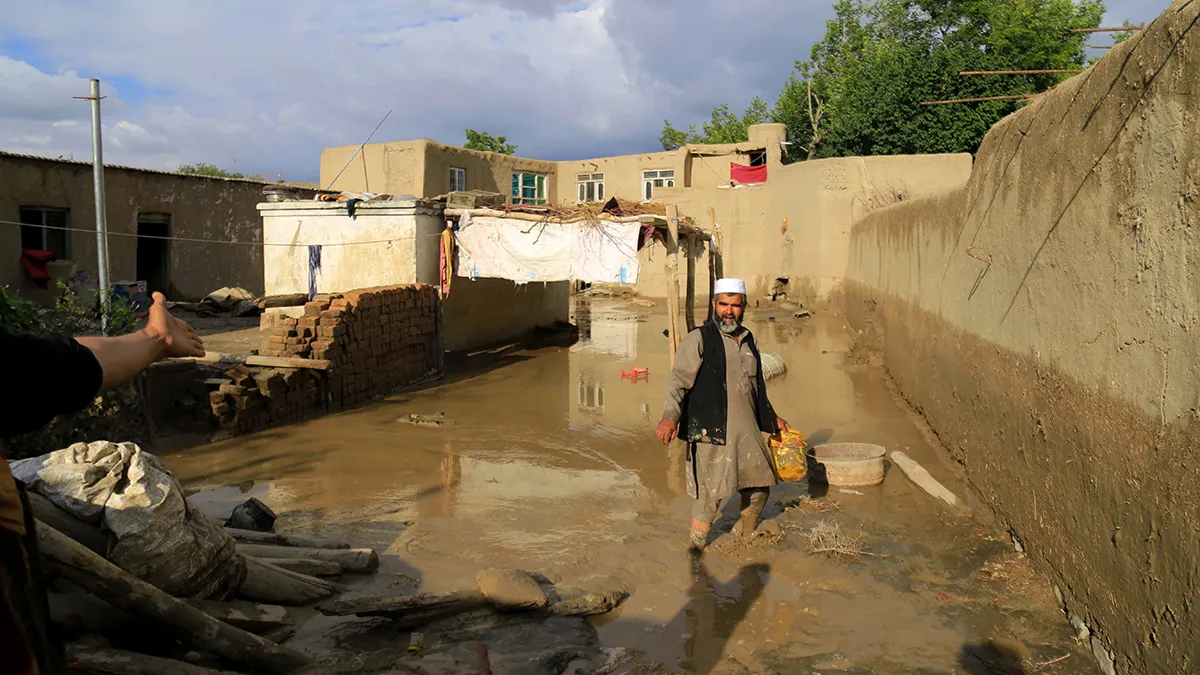
Afghan authorities have reported that the death toll from recent floods has risen to 28 individuals, as relief teams continue their efforts to assist those affected. The floods, caused by heavy rainfall, have destroyed numerous homes and infrastructure across the country.
Afghanistan faces significant challenges in its relief efforts, suffering from a lack of resources and logistical capabilities. Reports have confirmed that the floods have caused severe damage, necessitating an urgent response from the government and humanitarian organizations.
Details of the Incident
The recent floods are considered one of the worst natural disasters Afghanistan has faced in recent years. Images circulated on social media depict horrifying scenes of destroyed homes and streets submerged in water. Reports indicate that many families have lost everything they own due to this disaster.
Rescue teams are working to reach the most affected areas, where medical teams and food aid have been dispatched. However, adverse weather conditions are hindering relief efforts, exacerbating the suffering of those impacted.
Background & Context
Historically, Afghanistan has suffered from recurring natural disasters, including floods and earthquakes. This is attributed to the country's mountainous terrain and harsh climate. In recent years, these issues have been exacerbated by climate change, leading to an increase in the frequency and severity of natural disasters.
Flooding is part of a natural cycle that occurs in the spring, but it has become more frequent in recent years. International organizations have warned that Afghanistan urgently needs to improve its infrastructure to cope with these challenges.
Impact & Consequences
The floods significantly impact the lives of residents, contributing to the worsening humanitarian situation in the country. As the number of victims rises, pressure mounts on the Afghan government to provide necessary assistance. This disaster may also affect political stability in the country, as it could lead to increased discontent among citizens.
Humanitarian organizations are striving to provide support, but logistical challenges and limited resources hinder their efforts. The effects of the floods are expected to last for an extended period, requiring a sustainable response from the international community.
Regional Significance
Natural disasters in Afghanistan serve as a reminder of the importance of regional and international cooperation in relief efforts. Arab countries can play a vital role in providing support and humanitarian assistance to those affected. These events highlight the need to strengthen local capacities to address disasters.
In conclusion, the floods in Afghanistan remain a humanitarian issue that requires urgent attention. The international community must unite to support relief efforts and provide the necessary assistance to those affected.