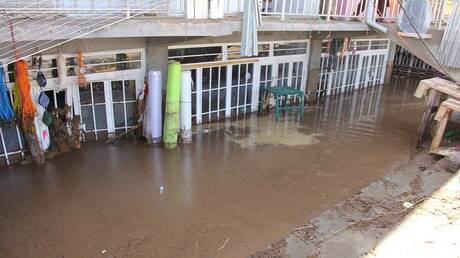
The National Disaster Management Authority of Afghanistan announced that the floods affecting several provinces since March 25 have led to the deaths of 48 people and injuries to 73 others as of Thursday morning. This disaster is considered one of the worst floods the country has experienced in recent years, highlighting the significant challenges Afghanistan faces in disaster management.
These floods come at a sensitive time, as many residents are suffering from a lack of basic resources, complicating the humanitarian situation further. Several areas have been severely affected, resulting in the destruction of homes and infrastructure, as well as the loss of agricultural crops.
Details of the Event
Rescue and relief efforts are ongoing in the affected areas, with relief teams working to provide necessary assistance to those impacted. Officials have indicated that heavy rainfall continues, increasing the risk of further flooding. A state of emergency has been declared in some affected provinces, as the government seeks to provide urgent aid to the impacted populations.
In a related context, medical teams have been dispatched to the affected areas to provide healthcare to the injured and affected individuals. Humanitarian organizations are working to supply food and clean drinking water, amid a growing need for urgent support.
Background & Context
Historically, Afghanistan has been prone to flooding due to its mountainous terrain and harsh climate. The country has experienced similar floods in past years, but the current situation is among the worst. The nation suffers from weak infrastructure and a lack of preparedness to face natural disasters, exacerbating the impact of these floods.
This disaster coincides with other challenges facing Afghanistan, including economic and political crises. The current government is striving to improve the security and economic situation, but the floods represent an additional challenge that hinders these efforts.
Impact & Consequences
The effects of the floods extend beyond human and material losses, impacting the daily lives of residents. The floods have led to the displacement of many families, increasing pressure on limited resources in other areas. Additionally, the health situation may deteriorate due to the spread of diseases caused by contaminated water.
Economically, the floods are expected to negatively impact agricultural production, increasing the risks of food shortages in the country. The destruction of infrastructure will also affect trade and mobility, further increasing the economic challenges faced by Afghanistan.
Regional Significance
Natural disasters such as floods are issues of concern for the Arab region, where some Arab countries also face similar risks. The Afghan experiences in disaster management could serve as an important lesson for Arab nations facing similar challenges.
Moreover, humanitarian solidarity in the face of disasters is one of the core values that should be promoted in the region, as Arab countries can provide support and assistance to Afghanistan during these difficult times.
In conclusion, the floods in Afghanistan serve as a reminder of the importance of preparedness for natural disasters and the need to provide necessary support to those affected. Strengthening infrastructure and improving disaster management are essential steps to ensure the safety of populations in the future.