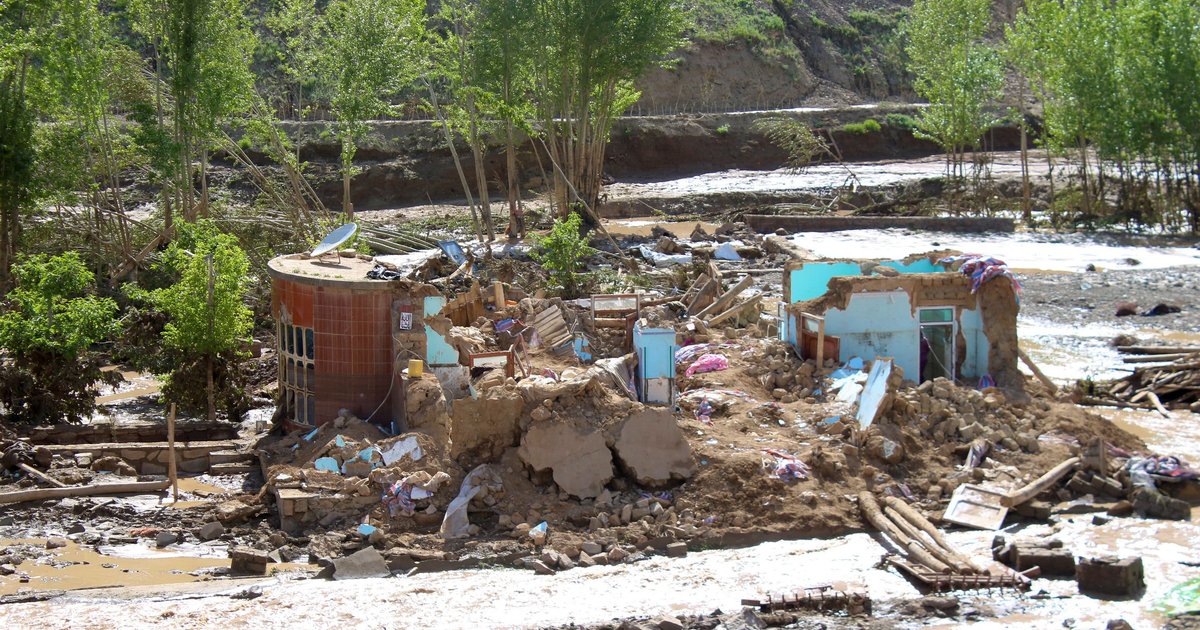
Floods that swept through Afghanistan due to heavy rainfall have resulted in the death of 77 individuals, highlighting the ongoing challenges the country faces in dealing with natural disasters. These floods occurred at a sensitive time, as Afghanistan is suffering from increasing humanitarian crises.
Rescue efforts are ongoing in the affected areas, with local authorities striving to provide assistance to survivors. Reports indicate that numerous homes and infrastructure have been destroyed, complicating the humanitarian situation in the country.
Details of the Event
These floods come at a time when Afghanistan is experiencing unprecedented rainfall, exacerbating the humanitarian conditions. Officials have noted that the floods have caused significant damage to roads and public facilities, making access to the affected areas difficult.
Severe damage to agricultural crops has also been reported, threatening food security in the country. Meteorological authorities have warned of the possibility of continued rainfall, increasing the risk of further flooding in the coming days.
Background & Context
Historically, Afghanistan has suffered from multiple natural disasters, including earthquakes and floods. These disasters have led to the loss of many lives and the destruction of property. In recent years, the situation has been compounded by ongoing conflicts, making disaster response more complex.
These floods are part of a changing climatic pattern in the region, where climate change is affecting rainfall patterns. International organizations have warned that these changes may lead to an increase in the frequency and severity of natural disasters in the future.
Impact & Consequences
The floods in Afghanistan serve as a stark reminder of the challenges the country faces in disaster management. With the rising number of casualties, there is an increasing need for international support to help the country recover from the impacts of these disasters.
Effective response to these disasters requires coordination between the Afghan government and international humanitarian organizations. There is also an urgent need to develop infrastructure to better cope with disasters in the future.
Regional Significance
These events highlight the importance of regional and international cooperation in addressing natural disasters. Humanitarian crises in Afghanistan may affect stability in the region, necessitating attention from Arab nations and the international community.
Furthermore, these floods may open discussions on how to enhance disaster response in Arab countries, where some nations also face similar challenges due to climate change.
The floods that swept through Afghanistan represent a humanitarian crisis that requires urgent response. The international community must unite to support relief and recovery efforts to ensure that such tragedies do not recur in the future.