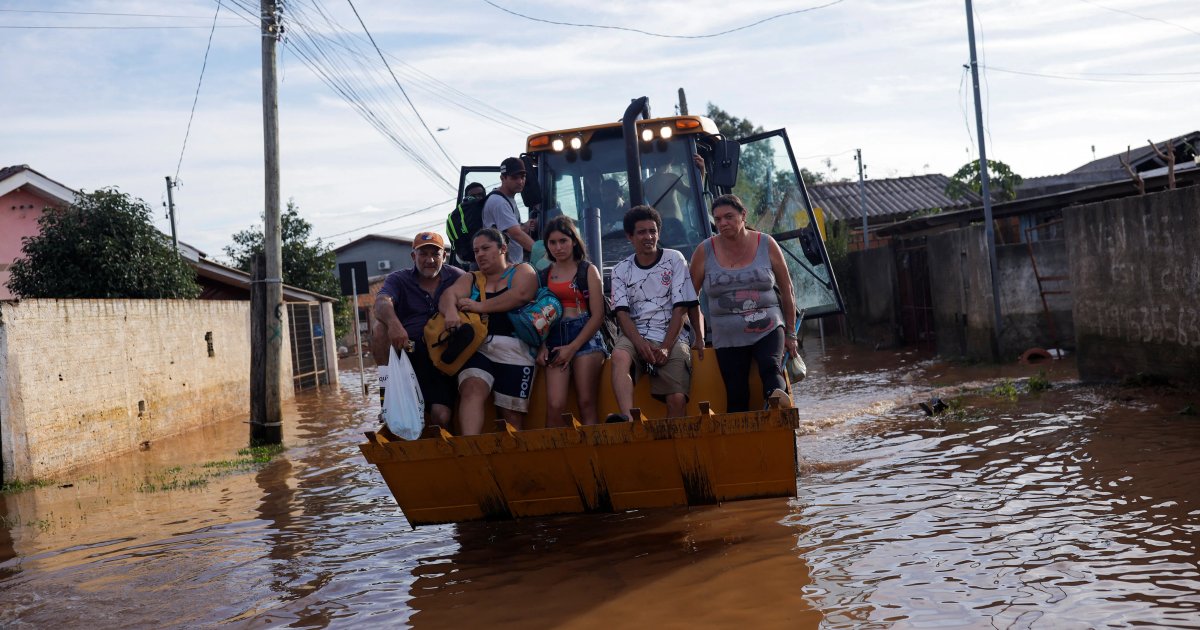
The death toll from the devastating floods in Brazil has risen to 40, as heavy rains have led to landslides and widespread flooding in several regions. Emergency declarations have been made in many states, prompting local authorities to intensify their efforts to assist those affected.
Large areas in Brazil have been impacted by this natural disaster, with waters inundating streets and homes, resulting in many people losing their houses and belongings. Rescue teams are working around the clock to search for missing persons and provide support to survivors.
Details of the Event
The heavy rains that have fallen on Brazil in recent days have caused significant flooding, with rainfall amounts exceeding normal levels. These harsh weather conditions have led to landslides in mountainous regions, complicating rescue efforts. Local authorities confirmed that many victims were trapped inside their homes when the waters swept through the area.
Thousands of people have been evacuated from danger zones and relocated to temporary shelters. The government is working to provide humanitarian aid to those affected, including food, water, and healthcare.
Background & Context
Floods and landslides are recurring natural disasters in Brazil, especially during the rainy season. In previous years, the country has witnessed numerous similar incidents that resulted in significant human and material losses. These disasters have raised questions about the government's preparedness and infrastructure to face such challenges.
It is noteworthy that Brazil is located in a region with a tropical climate, making it susceptible to heavy rains at certain times of the year. With climate change, the risks associated with floods and landslides are increasing, necessitating more effective preventive measures.
Impact & Consequences
The current floods are significantly affecting the lives of residents in the impacted areas, with many suffering the loss of their homes and livelihoods. The economic impact will also be substantial, as relief and reconstruction efforts require significant financial resources. This disaster may increase pressure on the government, necessitating a swift and effective response.
Moreover, the floods could affect the local environment, potentially leading to soil erosion and destruction of natural habitats. This may negatively impact biodiversity in the region.
Regional Significance
While the floods in Brazil may seem distant from the Arab region, the climate changes leading to such disasters affect the entire globe. Many Arab countries face similar issues, such as drought and flooding, which necessitate international cooperation to address environmental challenges.
These events serve as a reminder of the importance of preparedness for natural disasters and the development of effective strategies to adapt to climate changes. Arab countries should also enhance cooperation in research and development to mitigate the risks associated with natural disasters.