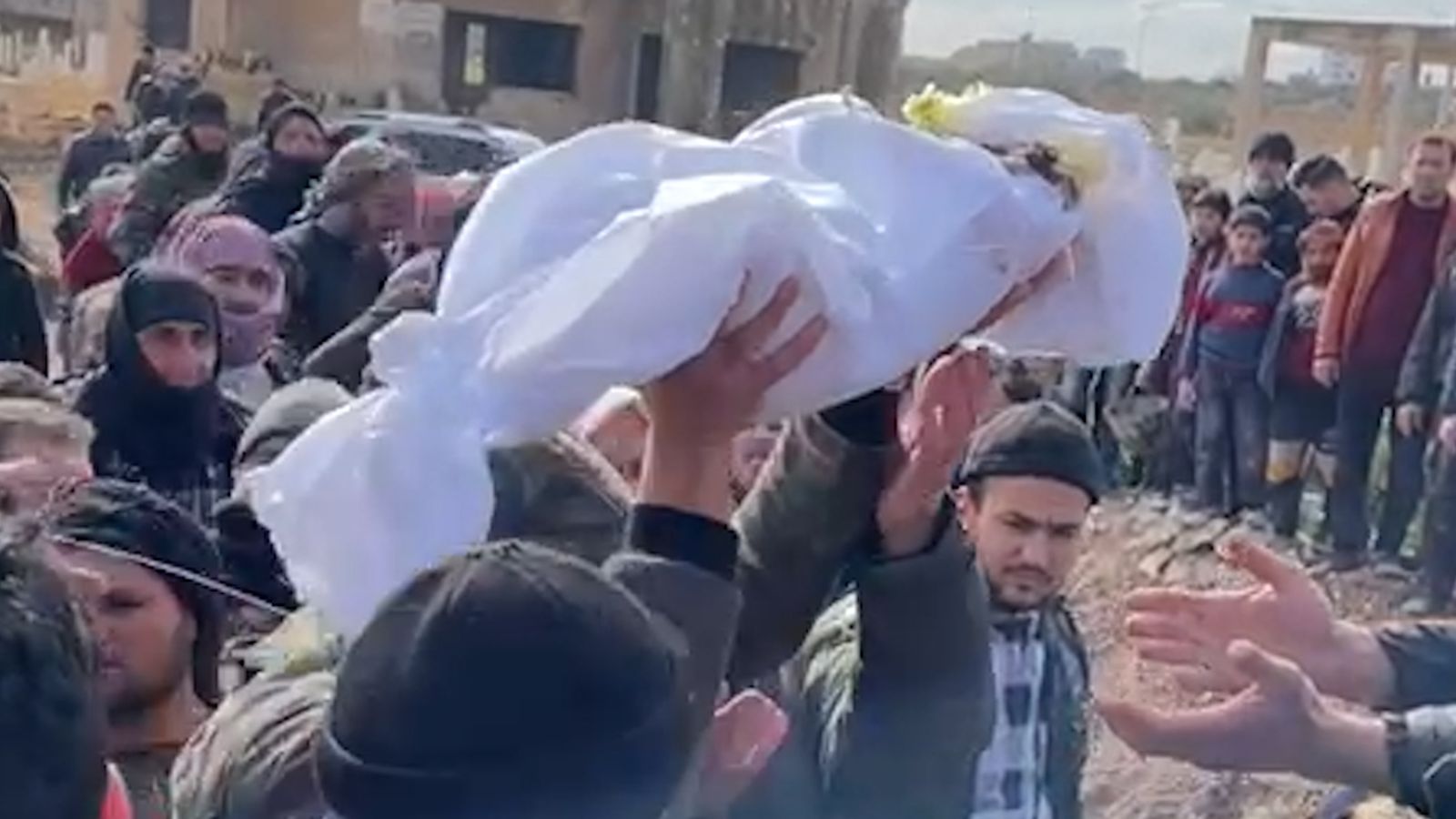
Recent floods that swept through Hasakah province in northeastern Syria have revealed unidentified mass graves in the Shaddadi area, prompting heightened calls for truth and justice in the country. Ahmad Al-Hilali, spokesperson for the presidential team, confirmed that the floods uncovered several mass graves containing dozens of trenches, highlighting the suffering of many victims who lost their lives during the ongoing conflict.
These discoveries come at a sensitive time, as demands from human rights organizations and civil society are increasing for the circumstances surrounding these graves to be disclosed and for the identities of the victims to be determined. Al-Hilali noted that these graves may contain the remains of individuals from various categories, including civilians and military personnel, who died under mysterious circumstances.
Details of the Event
The floods that hit the region led to the exposure of these graves, as the waters inundated agricultural lands and surrounding areas, resulting in the emergence of trenches buried beneath the soil. This discovery serves as additional evidence of the atrocities witnessed in Syria during years of conflict, where mass graves have been used as a means to conceal the traces of crimes.
Mass graves are scattered across different regions of Syria, but the Shaddadi area may be one of the most affected. Previous reports have shown that many of these graves contain the remains of individuals who were arrested or forcibly disappeared during the conflict, increasing the importance of ongoing investigations.
Background & Context
Since the outbreak of the conflict in Syria in 2011, the country has witnessed numerous serious human rights violations, including arbitrary arrests and extrajudicial killings. Human rights organizations have documented many cases of enforced disappearances, with thousands of individuals believed to still be missing.
Mass graves are among the most prominent indicators of the atrocities committed during the conflict, and they have been documented in numerous international reports. However, the revelation of these graves still requires significant efforts from local and international authorities to ensure justice for the victims and their families.
Impact & Consequences
The discovery of mass graves in Hasakah serves as a wake-up call for the international community, highlighting the urgent need to investigate human rights violations in Syria. This event also opens the door for the possibility of holding those responsible for these crimes accountable, which could contribute to achieving justice for the victims.
Pressure is mounting on the Syrian government and the international community to take concrete actions regarding these violations. Failure to take effective steps could exacerbate the humanitarian situation in the country, increasing the suffering of families who have lost their loved ones.
Regional Significance
These discoveries indicate the deteriorating humanitarian conditions in Syria, which directly affect stability in the Arab region. The ongoing conflict and rampant chaos could lead to negative repercussions for neighboring countries, including an increase in the flow of refugees and a deterioration of security conditions.
Moreover, these events may impact relations among Arab states, as there is an increasing need for regional cooperation to address the humanitarian and security challenges arising from the Syrian conflict.
In conclusion, the issue of mass graves in Syria remains a symbol of human suffering and underscores the importance of achieving justice and accountability. The revelation of these graves should serve as a motivation for the international community to work seriously towards ending the conflict and achieving lasting peace in the region.