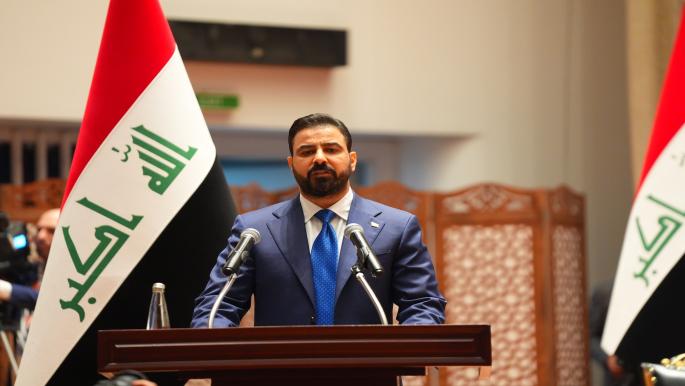
Calls for the restoration of national sovereignty are growing in Iraq, where the role of free patriots in saving the Iraqi people is considered vital. In this context, the Coordination Framework emerges as a force striving to restore Iraq's position within its Arab surroundings, distancing itself from the corrupt and criminal elements that have led to deteriorating conditions.
The political forces in Iraq, especially the Coordination Framework, are working to enhance efforts aimed at rebuilding the Iraqi state and achieving political and economic stability. This comes at a time when Iraq is facing significant challenges, including rampant corruption and security chaos.
Details of the Event
In a move reflecting the new direction of the Coordination Framework, a series of initiatives have been announced aimed at enhancing Iraqi sovereignty. These initiatives include improving public services, combating corruption, and strengthening cooperation with Arab countries. The Framework also seeks to restore trust between the government and the people by taking tangible steps to confront corruption.
The efforts also involve strengthening relations with Arab nations, which is seen as part of a broader strategy aimed at reintegrating Iraq into its Arab environment. These steps are viewed as essential for achieving stability in the region, especially given the security and economic challenges facing the country.
Background & Context
Historically, Iraq has witnessed numerous political and economic crises that have affected its stability. Since 2003, the country has faced significant challenges, including widespread corruption, sectarian conflicts, and external interventions. In this context, the Coordination Framework is considered part of the efforts aimed at addressing these issues and regaining control over the country's resources.
It is noteworthy that the Coordination Framework includes a coalition of political forces seeking to achieve a unified vision for Iraq. These forces fully recognize that restoring sovereignty requires broad cooperation among all political and societal parties.
Impact & Consequences
If the Coordination Framework's efforts succeed in restoring Iraqi sovereignty, it could lead to improvements in the country's economic and social conditions. These efforts are expected to enhance trust between the government and the people, which may positively reflect on political stability.
Moreover, Iraq's restoration of its position within the Arab world could open doors to new opportunities for economic and political cooperation. Such collaboration could contribute to strengthening security and stability in the region and reduce the influence of external powers seeking to destabilize it.
Regional Significance
The restoration of Iraq's position within its Arab surroundings is critically important, not only for Iraq but also for neighboring countries. Iraq's stability can contribute to enhancing regional security and reducing existing tensions in the area.
Furthermore, Arab cooperation in addressing common challenges such as terrorism and corruption could have a positive impact on conditions in other Arab countries. Achieving stability in Iraq could serve as a model for countries facing similar challenges.
In conclusion, hope remains pinned on the Coordination Framework's efforts to restore Iraqi sovereignty, as this is considered a fundamental step towards achieving stability and development in the country. This endeavor requires concerted efforts among all political and societal parties to ensure a better future for Iraq and its people.