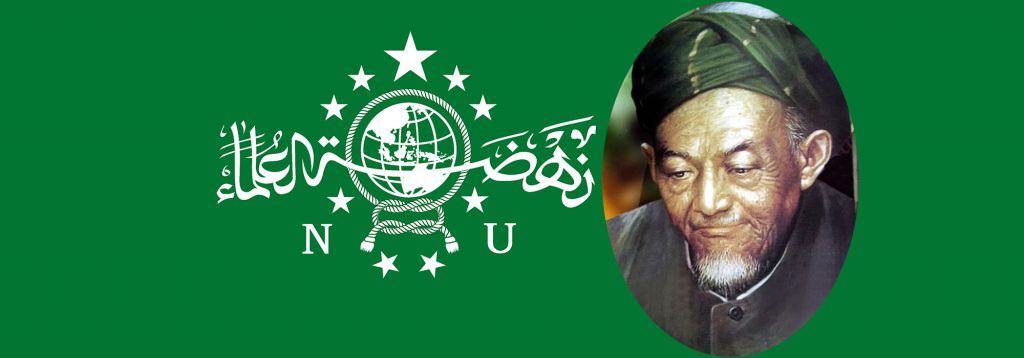
Sheikh Idris Hamid, head of the Salafiyah school in Pasuruan, Indonesia, expressed hope that unity and harmony will be the focal point of the 35th Nahdlatul Ulama (NU) conference, set to take place from July to August 2026. Sheikh Idris emphasized that this unity should stem from the heart, rather than being merely a superficial form.
In this context, Dr. Faqih, Secretary of the Nahdlatul Ulama management in East Java, highlighted the importance of preparations leading up to the conference, which should focus on establishing mechanisms for leadership selection that ensure no disputes arise and are acceptable to all parties. A task force has been formed by the Nahdlatul Ulama management in East Java as part of the preparations for the conference.
Event Details
These statements come at a critical time as members of Nahdlatul Ulama seek to strengthen their ties and unify their ranks. Dr. Faqih noted that serious preparations are underway to host the conference in East Java, should they be entrusted by the members. Mr. Sadarsono Rahman, Vice President of the Central Committee of Barkad Gus Dur, welcomed the conference plans, indicating that they reflect an awareness of the importance of ending long-standing conflicts that do not benefit the community or the nation.
In the context of enhancing relationships among members, Sheikh Abdul Mateen Jawahir, Vice President of the Advisory Committee in East Java, called for strengthening ties through visits and meetings with scholars and leaders. Activities are scheduled to include visits to several schools and leaders, culminating in a traditional ceremony known as Talsan Kitobak, which coincides with the celebrations of Eid al-Fitr.
Background & Context
Nahdlatul Ulama was established in 1926 and is one of the largest Islamic organizations in Indonesia, playing a significant role in promoting religious education and Islamic culture. Over the years, the organization has faced numerous challenges, including internal and external conflicts. Therefore, the focus on unity and harmony comes as part of its ongoing efforts to enhance internal stability.
Indonesia, the largest Muslim-majority country by population, serves as a model for religious and cultural diversity. Thus, the success of Nahdlatul Ulama in achieving unity among its members could have positive implications for Indonesian society as a whole, reinforcing the image of moderate Islam globally.
Impact & Consequences
Strengthening unity within Nahdlatul Ulama can contribute to reducing internal conflicts, positively reflecting on the stability of Indonesian society. Furthermore, the success of the conference in achieving its goals could serve as a model for other Islamic organizations in the region.
Moreover, enhancing ties among members can foster cooperation among various social and political groups in Indonesia, thereby promoting political and economic stability in the country.
Regional Significance
The experience of Nahdlatul Ulama in promoting unity and harmony among its members serves as an important lesson for Islamic organizations in the Arab world. Many Arab countries suffer from internal divisions, and the Indonesian experience could serve as a model for reconciliation and cooperation efforts.
In conclusion, the 35th Nahdlatul Ulama conference represents an opportunity to renew the commitment to unity and strengthen bonds among members, contributing to the building of a cohesive and robust Islamic community.