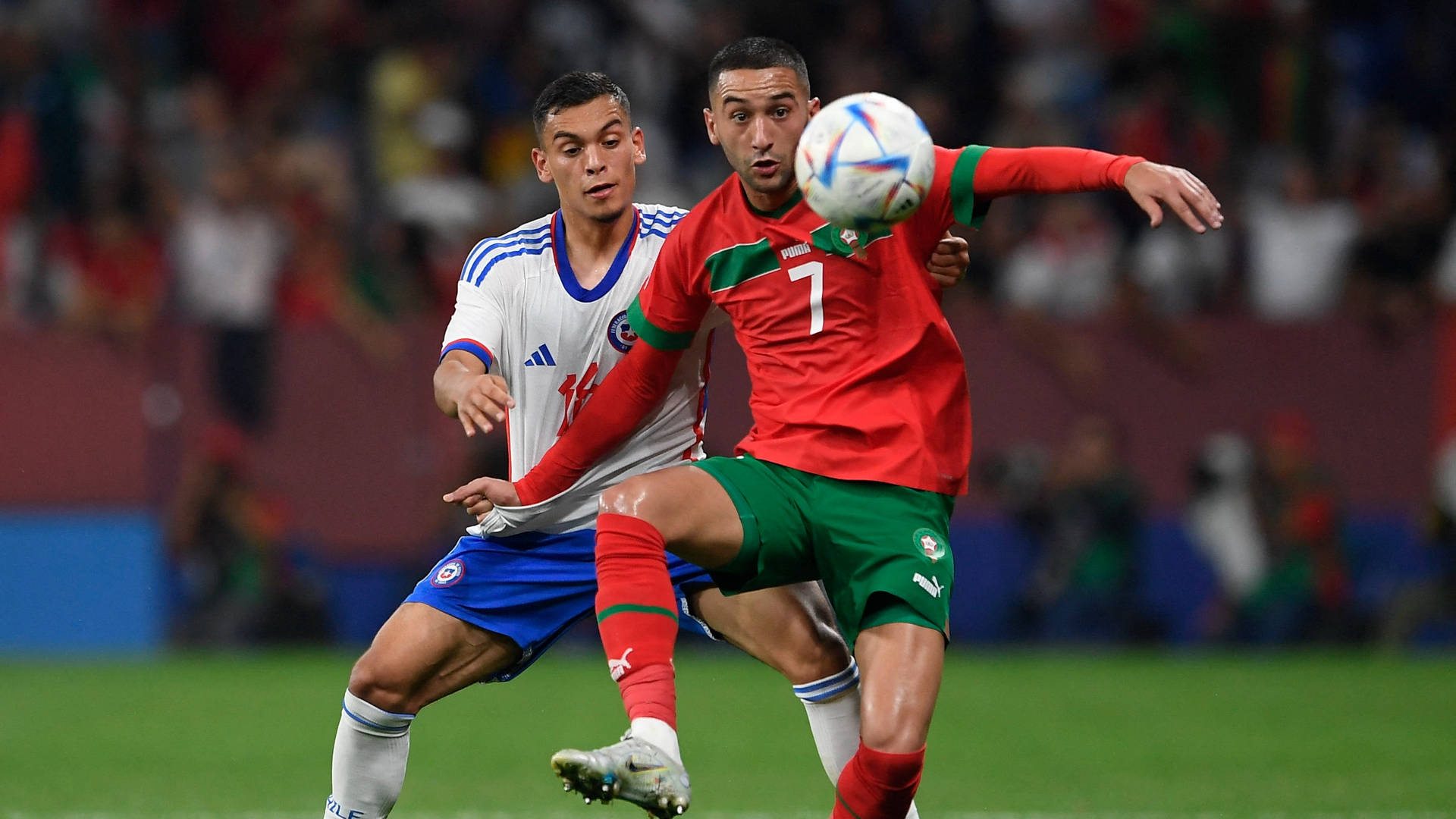
Morocco's coach, Mohamed Wahbi, confirmed that the "Atlas Lions" are concentrating on the 2026 World Cup, following their 2-1 victory over Paraguay in a friendly match held on Tuesday evening at Polar Stadium. This statement comes two weeks after the controversy sparked by the Confederation of African Football (CAF)'s decision to award Senegal the title in the Africa Cup of Nations final, leading Wahbi to prefer focusing on the World Cup instead of getting involved in the debate surrounding the African title.
After the match, Morocco's new coach expressed optimism about the team's preparation for the World Cup, stating, "Our work, as the coaching staff and players, is to prepare for the World Cup. The federation's role is to protect this group. We are in safe hands, and therefore we are very confident. Our focus is directed towards the World Cup from now on."
Match Details
In a match that saw a large turnout of Moroccan fans, the surrounding atmosphere regarding the Africa Cup of Nations title did not affect the players' performance. The victory over Paraguay boosted the team's morale ahead of the World Cup. The goals of the match were scored by Youssef En-Nesyri, who netted the first goal, while Hakim Ziyech added the second goal, and Paraguay scored their only goal in the second half.
This victory comes after the controversial decision by CAF, which stirred widespread debate in sports circles, as they stripped Senegal of the title after several of their players walked off the field in protest against a penalty awarded to Morocco during the final held on January 18. CAF deemed the players' withdrawal a breach of tournament regulations, resulting in the match's outcome being changed from a Senegal victory of 1-0 to a defeat of 0-3.
Background & Context
Historically, African competitions have witnessed numerous controversies surrounding refereeing decisions and federations, but this case was unique. The withdrawal of Senegalese players from the field was not merely a protest; it was an expression of their dissatisfaction with the refereeing decisions that affected the course of the match. The Senegalese team has filed an appeal to the Court of Arbitration for Sport (CAS) against CAF's decision, complicating matters further.
On the other hand, the Moroccan team aims to leverage this victory as motivation to achieve positive results in the World Cup, viewing the tournament as an opportunity to showcase their abilities on the global stage after their strong performance in the qualifiers.
Impact & Consequences
The impact of this controversy on African football could be far-reaching, potentially leading to changes in how tournaments are managed. Additionally, CAF's decision may raise questions about the integrity of officiating in African competitions, which could affect the reputation of the African federation. Meanwhile, the Moroccan team is focused on building a strong squad capable of competing in the World Cup, which may contribute to enhancing its standing on the international stage.
This focus on the World Cup reflects Morocco's desire to overcome past crises and demonstrates their commitment to thorough preparation for major competitions. This positive spirit may also inspire new generations of Moroccan players.
Regional Significance
Morocco's participation in the World Cup is a significant event for the Arab region, reflecting the development of football in Arab countries and their ability to compete at the highest levels. Morocco's success in the World Cup could encourage other Arab nations to invest in developing their sports, contributing to the enhancement of Arab sports identity on the international stage.
In conclusion, the focus on the World Cup remains the primary concern for the Moroccan national team, as they seek to achieve new accomplishments that add to the history of Moroccan football, overcoming past crises and affirming their strong determination.