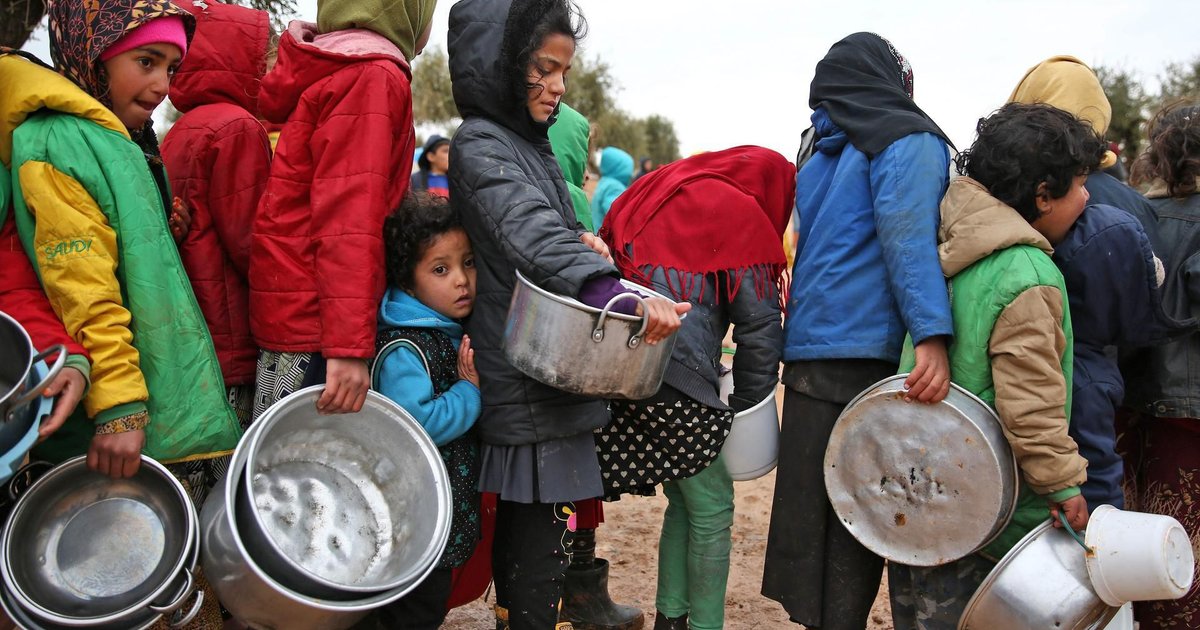
Syria is currently grappling with a dire food crisis, as recent reports indicate that around 13.3 million individuals are experiencing food insecurity, highlighting a worsening humanitarian crisis in the country. This situation unfolds as Syria continues to confront one of the largest refugee crises in the world, with an estimated 5.5 million internally displaced persons, further complicating the humanitarian landscape.
The deteriorating economic conditions and ongoing conflict have intensified the food crisis, leading to a significant rise in food prices, making basic necessities unaffordable for many Syrian families. Citizens are facing acute shortages of essential goods, threatening their health and daily lives.
Details of the Situation
Reports indicate that the food situation in Syria has reached critical levels, with over 60% of the population suffering from food insecurity. Studies have shown that children and women are the most affected, with 2.5 million children suffering from malnutrition. The consecutive crises, including the ongoing conflict, have led to the destruction of agricultural infrastructure, negatively impacting local production.
There are growing concerns that the continuation of this crisis could lead to the outbreak of diseases and malnutrition, which may have long-term effects on the population's health. Additionally, food shortages are affecting education, as many children are forced to leave school to seek work or help their families secure a livelihood.
Background & Context
The roots of the Syrian crisis date back to 2011, when protests against the ruling regime erupted, leading to an ongoing armed conflict. This conflict has resulted in widespread destruction of infrastructure, including health and agricultural facilities. Furthermore, the economic sanctions imposed on the country have exacerbated the situation, making access to basic food items a significant challenge.
Over the years, Syria has witnessed a decline in all aspects of life, with poverty and unemployment rates rising dramatically. Many Syrians struggle to meet their basic needs, forcing them to rely on humanitarian aid.
Impact & Consequences
The repercussions of the food crisis in Syria extend beyond its borders, affecting regional stability. As the number of Syrian refugees in neighboring countries, such as Lebanon and Jordan, increases, these nations face significant challenges in accommodating the growing numbers and providing necessary support.
Moreover, the recurring humanitarian crises in Syria could lead to the rise of extremism and increased social tensions in the region. The international community is compelled to act to assist Syrians in overcoming this crisis by providing humanitarian support and pressuring conflicting parties to reach a peaceful resolution.
Regional Significance
The humanitarian crisis in Syria directly impacts neighboring Arab countries, which host large numbers of Syrian refugees. This places pressure on local resources, posing a significant challenge that requires international coordination to provide necessary assistance.
Additionally, the situation in Syria serves as an indicator of other humanitarian crises in the region, necessitating Arab countries to work together to find sustainable solutions to humanitarian crises and enhance regional cooperation in food security and development.
In conclusion, the food crisis in Syria underscores the urgent need for immediate humanitarian interventions and international cooperation to alleviate the suffering of the Syrian people. The continuation of conflict and political instability will exacerbate conditions, requiring coordinated efforts from the international community to resolve this crisis.