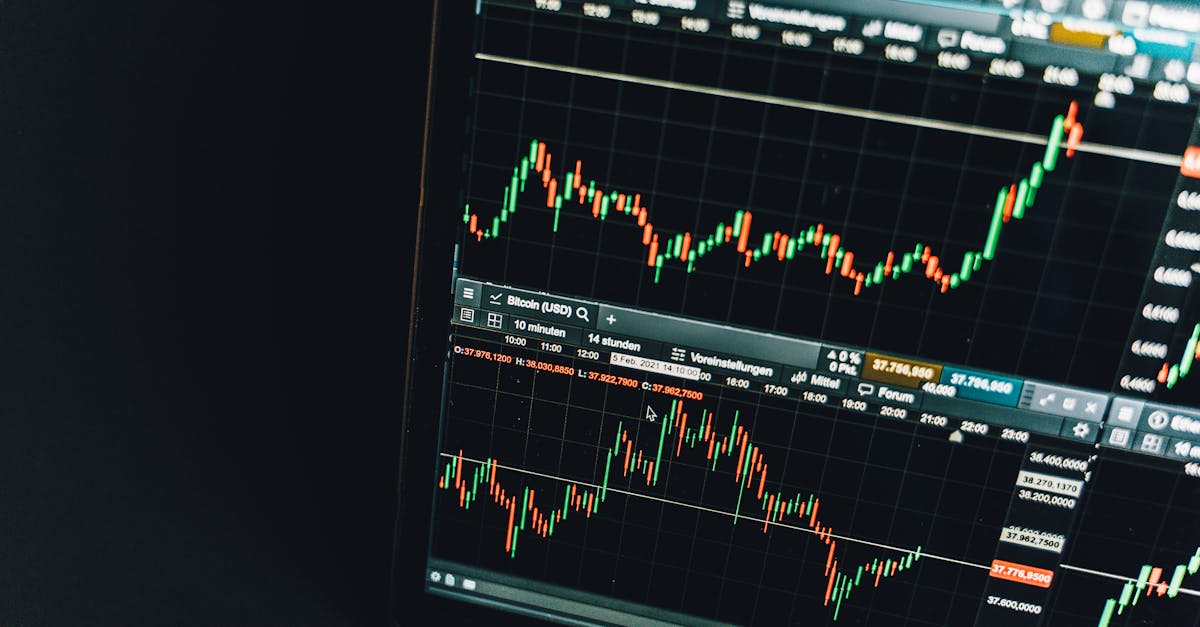
A senior trader at Goldman Sachs has clarified that US markets may struggle to achieve notable gains following the announcement of a ceasefire between the United States and Iran. This statement comes at a sensitive time, as fears grow regarding economic repercussions that could adversely affect financial market performance.
Forecasts suggest that markets may be overly optimistic under current conditions, with many analysts believing there are limits to the markets' recovery potential. While investors are eager to capitalize on any improvement in circumstances, economic challenges remain persistent.
Details of the Ceasefire Announcement
The United States and Iran have announced a ceasefire in a move aimed at easing tensions between the two nations. However, this announcement has not significantly impacted investor sentiment, as traders point to other factors influencing the markets, such as inflation and the potential for recession.
Concerns are rising that the markets may have responded excessively to potential positives, making them vulnerable to significant corrections. In this context, many analysts consider caution to be the best approach at this time.
Background & Context
Historically, relations between the United States and Iran have experienced significant fluctuations, with periods of intense tension followed by phases of calm. However, the economic impact of these relations on financial markets has always been a focal point for investors. In recent years, tensions have escalated due to nuclear issues and regional disputes.
The backdrop of these relations is critical for understanding the current market dynamics, as investors closely monitor developments that could influence economic stability and market performance.
Impact & Consequences
Ongoing tensions between the United States and Iran could lead to negative effects on the global economy, including rising oil prices and increased instability in financial markets. These factors could directly impact the performance of American companies, reflecting negatively on the markets.
As the situation evolves, the potential for economic fallout remains a concern, prompting analysts and investors alike to reassess their strategies in light of the changing geopolitical landscape.
Regional Significance
The implications of US-Iran tensions extend beyond the immediate economic effects, potentially destabilizing the broader Middle Eastern region. This instability could have ripple effects on Arab economies, influencing trade and investment flows.
In conclusion, the current state of affairs necessitates a careful approach from investors, who must navigate the complexities of international relations and their impact on financial markets.