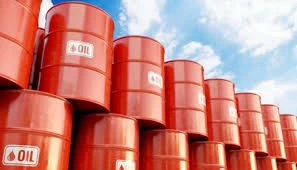
An Australian report from Macquarie predicts an unprecedented rise in global oil prices, potentially reaching $200 per barrel due to the escalating conflict between the United States, Israel, and Iran. The group estimates a 40% likelihood of this scenario occurring, raising alarms about its potential effects on the global economy.
The report warns that such a spike in oil prices could significantly increase energy costs, adversely affecting global demand. Under these circumstances, global economic growth may face severe pressures, raising fears of a possible economic recession.
Details of the Event
The $200 per barrel mark represents a critical turning point in the history of oil prices, as prices have not approached this level since the 2008 financial crisis. At that time, markets experienced a sharp collapse after prices peaked. Estimates suggest that reaching prices of $170 could be sufficient to push the global economy into a state of stagflation, where rising prices coincide with slowing growth.
In the United States, the effects of these pressures are already becoming evident, with gasoline prices rising by approximately 30%, threatening previous efforts to control inflation and increasing financial burdens on consumers. This situation could lead to a decline in consumption, negatively impacting economic growth.
Context and Background
These forecasts come at a sensitive time, as Washington remains cautious in its assessment of the situation. It has described the scenario of oil prices reaching $200 as a plausible possibility rather than a confirmed reality. However, markets are taking this scenario increasingly seriously, especially given the rapid developments in the region.
Despite concerns about escalation, the report indicates a 60% chance that the conflict could end by the end of March, which may alleviate inflationary pressures. Nevertheless, uncertainty remains the most significant factor guiding investor decisions at this time.
Implications and Impact
If the anticipated scenario materializes and prices rise to $200, it will significantly impact the global economy. Rising energy costs could reduce investments across many sectors, negatively affecting economic growth in major countries.
Additionally, higher oil prices will impact oil-importing nations, increasing their financial burdens and leading to a decline in living standards. At the same time, oil-producing countries may benefit from this increase, boosting their revenues and strengthening their economies.
Impact on the Arab Region
The Arab region is among the most affected by fluctuations in oil prices. Many Arab countries rely on oil revenues as a primary source of funding for their budgets. Therefore, any significant rise in prices could lead to increased revenues in these countries, but at the same time, it may exacerbate economic crises in importing nations.
In conclusion, the future of oil prices remains uncertain and depends on developments in the Middle East conflict. As uncertainty persists, investors and analysts must closely monitor the situation.