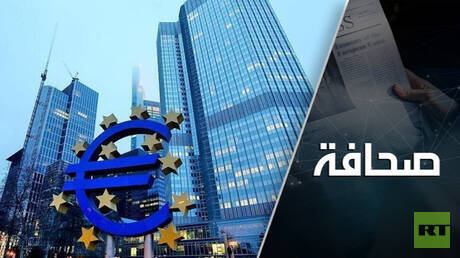
Recent economic reports indicate that the European Union may face a noticeable decline in its share of the global economy, which could lead to negative repercussions for the economies of member states. Studies have shown that the EU's share of global GDP has decreased significantly in recent years.
These forecasts come at a sensitive time, as the EU seeks to bolster its economy following the impacts of the COVID-19 pandemic, which has significantly affected many sectors. Additionally, member states are facing new challenges due to geopolitical crises and climate change.
Details of the Decline
According to reports, the EU's share of the global economy has dropped from 25% to 18% over the past decade. This decline reflects the challenges European countries face in the face of increasing competition from emerging economies such as China and India.
Experts have also pointed out that current economic policies may not be sufficient to address these challenges. Data has shown that economic growth in the Eurozone has slowed, raising concerns about member states' ability to maintain their positions in the global market.
Background & Context
Historically, the European Union has represented a major economic power on the global stage. However, with the emergence of new economic powers, its influence has begun to wane. In recent years, European countries have faced numerous crises, ranging from the sovereign debt crisis to the repercussions of Brexit.
These challenges serve as a warning to member states, necessitating a reassessment of their economic strategies to enhance growth and sustainability. Furthermore, changes in global trade policies directly impact the EU's competitiveness.
Impact & Consequences
If this trend continues, it could exacerbate economic and social crises in many European countries. Unemployment rates are likely to rise, negatively affecting social stability. Additionally, a decline in foreign investments may impact innovation and growth in vital sectors.
Moreover, this decline could increase tensions among member states, as each country seeks to protect its economic interests. Under these circumstances, it becomes essential for European nations to cooperate more closely to enhance economic integration.
Regional Significance
The economic relations between the EU and Arab countries are of significant importance. If the EU's share of the global economy continues to decline, it could affect investments and trade between the two sides. Arab nations may find themselves in a difficult position if purchasing power in Europe decreases, impacting their exports.
On the other hand, these challenges may open new opportunities for Arab countries to strengthen their ties with other economies, such as China and India. In light of global changes, it is crucial for Arab nations to reassess their economic strategies to promote sustainable growth.
In conclusion, the decline in the EU's share of the global economy presents a major challenge that requires an effective response from member states. They must adopt policies that promote cooperation and economic integration to ensure a sustainable future.