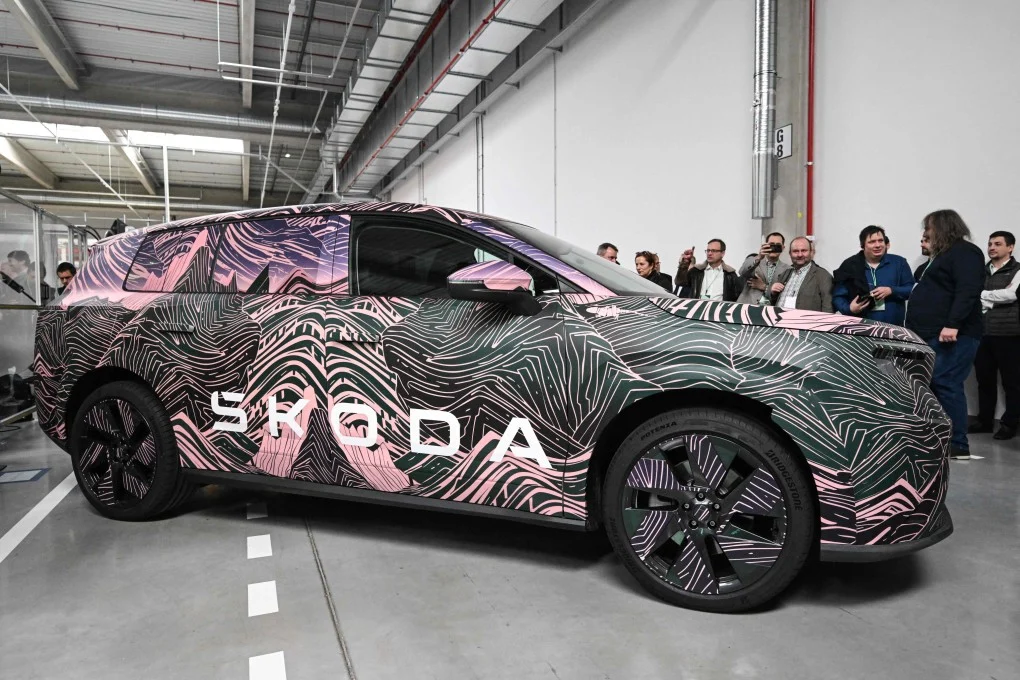
Many international automotive brands in the Chinese market are experiencing a severe crisis, with forecasts suggesting that these companies may have to either exit the market or significantly scale back their operations. This comes amid a noticeable decline in sales, leading to a reduction in market share for these companies, which threatens their sustainability in the world's largest automotive market.
According to analyst reports, companies recording sales of less than 1,000 units per month are facing a critical situation, as these sales figures are insufficient to cover manufacturing and operational costs. This predicament places these brands in a position where they must make swift decisions to avoid further losses.
Details of the Crisis
Reports indicate that some companies, such as Skoda from the Volkswagen Group, may be among the first to take serious steps to exit the Chinese market. These actions come at a time when foreign companies are under increasing pressure due to fierce competition from local firms, which offer high-quality vehicles at competitive prices.
The Chinese market is undergoing a significant shift towards electric vehicles, complicating the situation for traditional brands that rely on internal combustion engines. This transition requires substantial investments in technology and innovation, which some companies may struggle to afford amid declining sales.
Background & Context
Over the past few years, the Chinese market has witnessed significant growth in the automotive sector, establishing China as the largest automotive market in the world. However, changes in consumer preferences, including the trend towards electric vehicles, have radically reshaped this market. Companies that have not adapted to these changes find themselves in a difficult position, facing mounting pressures from all directions.
Historically, foreign companies relied on the Chinese market as a primary source of revenue, but with increasing local competition, it has become essential for these companies to reassess their strategies. This challenge requires them to innovate and adapt to the changing needs of consumers.
Impact & Consequences
If these trends continue, we may witness more foreign companies leaving the Chinese market, potentially leading to job losses and negative impacts on the local economy. Additionally, this situation may open the door for local companies to strengthen their positions in the market, increasing the challenges faced by international brands.
The economic effects could extend to other markets, as the decline of foreign brands in China may lead to reduced foreign investments in other sectors. This could negatively impact trade relations between China and other countries.
Regional Significance
These challenges are indicative of significant changes in the global automotive market, affecting investments and local economies. As foreign brands struggle, the dynamics of competition are shifting, potentially altering the landscape of the automotive industry in the region.
In conclusion, the current situation highlights the urgent need for foreign automotive brands to adapt to the evolving market conditions in China. Failure to do so may result in a substantial loss of market presence and economic influence.