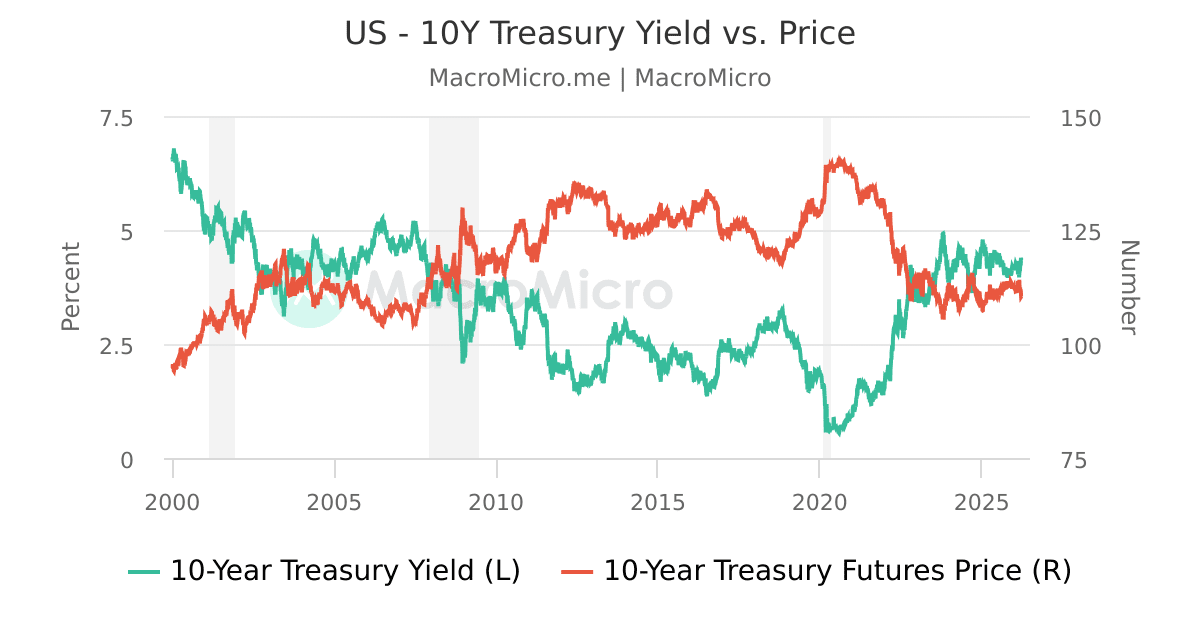
This week, US Treasury auctions for 10 and 30-year bonds are under significant scrutiny, with forecasts indicating a notable decline in foreign demand. Several auctions last month, which were the first following the US attacks on Iran, showed that international investors have shied away from purchasing these bonds.
These auctions are a crucial indicator of the health of the US economy, as they are relied upon to finance the government deficit. However, the drop in foreign demand may raise concerns about the stability of the US financial market and its ability to attract foreign investments.
Recent Auction Details
Reports indicate that recent Treasury auctions have not met expectations, with a decrease in participation from international investors. This decline comes at a sensitive time, as geopolitical tensions in the region are escalating, potentially impacting investor decisions.
The United States is one of the largest financial markets in the world, and Treasury bonds play a key role in attracting foreign investments. Nonetheless, recent events may lead investors to reassess their investment strategies.
Background & Context
Historically, US Treasury bonds have been considered a safe haven for investors, especially during times of crisis. However, recent events, including the US attacks on Iran, have shifted this trend. Investors have become more cautious in their decision-making, which has affected demand for these bonds.
Additionally, political and economic tensions in the region play a significant role in shaping investor sentiment. Financial markets have experienced considerable volatility in recent months, complicating the situation for foreign investors.
Impact & Consequences
The decline in foreign demand for Treasury bonds could lead to increased borrowing costs for the US government, potentially impacting the federal budget and widening the deficit. This could also negatively affect the US economy as a whole, given that economic growth relies on foreign investments.
Furthermore, a decrease in demand may result in higher yields on bonds, which could affect global financial markets. If this trend continues, it may cause widespread repercussions for the global economy.
Regional Significance
The decline in foreign demand for US Treasury bonds may significantly impact the stability of the US economy and increase borrowing costs. This situation could also affect investment flows into the region, adding to economic pressures.
In conclusion, the current decline in foreign demand for US Treasury bonds highlights the intricate relationship between geopolitical events and financial markets. As investors navigate these turbulent waters, the implications for both the US and global economies remain to be seen.