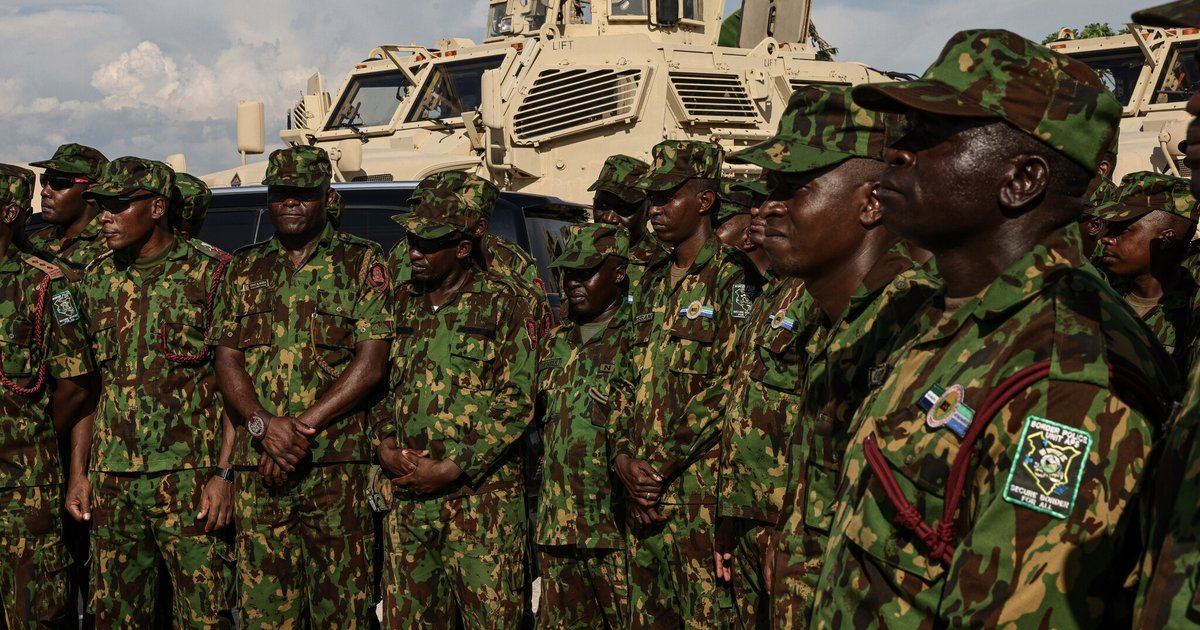
The first foreign military unit has arrived in Haiti as part of a new force aimed at combating gangs, replacing a previous mission focused on restoring security. This move comes amid rising violence and gang-related robberies in the country.
The new unit consists of multinational forces and is a response to the Haitian government's request for assistance in facing increasing security challenges. These troops have been deployed after extensive consultations among the involved countries and international organizations, emphasizing the urgent need for action to protect civilians and restore order.
Details of the Deployment
The new force includes personnel from several countries, equipped with modern equipment and specialized training to address security threats. These forces are expected to work in collaboration with local police to enhance efforts aimed at restoring security in the most affected areas by violence.
This step follows a period of political and social chaos in Haiti, where the country has witnessed a significant increase in gang activity, leading to rampant crime and threatening the lives of citizens. These conditions have raised concerns within the international community, which seeks to provide necessary support to Haitian authorities.
Background & Context
Historically, Haiti has suffered from political and economic instability, contributing to widespread poverty and rising crime rates. Since the earthquake in 2010, which devastated large parts of the country, the government has struggled to achieve the necessary stability, exacerbating security conditions.
In recent years, gang power has increased, with gangs controlling many neighborhoods, making daily life for citizens extremely difficult. The Haitian government has repeatedly attempted to regain control of the situation, but efforts have been insufficient under current circumstances.
Impact & Consequences
The arrival of foreign troops is expected to have a significant impact on the security situation in Haiti. This intervention may help reduce crime rates, but there are concerns that it could exacerbate tensions between local populations and foreign forces.
Moreover, the presence of foreign troops may open the door for further international interventions in Haiti's internal affairs, raising questions about national sovereignty. The international community must handle this situation with caution to ensure that crises do not worsen instead of being resolved.
Regional Significance
The situation in Haiti serves as an example of the challenges faced by many countries worldwide, including some Arab nations experiencing similar crises. International interventions in the internal affairs of nations may spark debates on how to achieve stability without compromising national sovereignty.
Arab countries should draw lessons from Haiti's experience, as internal crises can lead to regional and international repercussions. Cooperation among Arab nations in addressing security challenges could be an effective solution for achieving stability in the region.
In conclusion, the arrival of foreign troops in Haiti represents a new step in addressing increasing security crises. However, these efforts must be accompanied by comprehensive plans to achieve stability and sustainable development in the country.