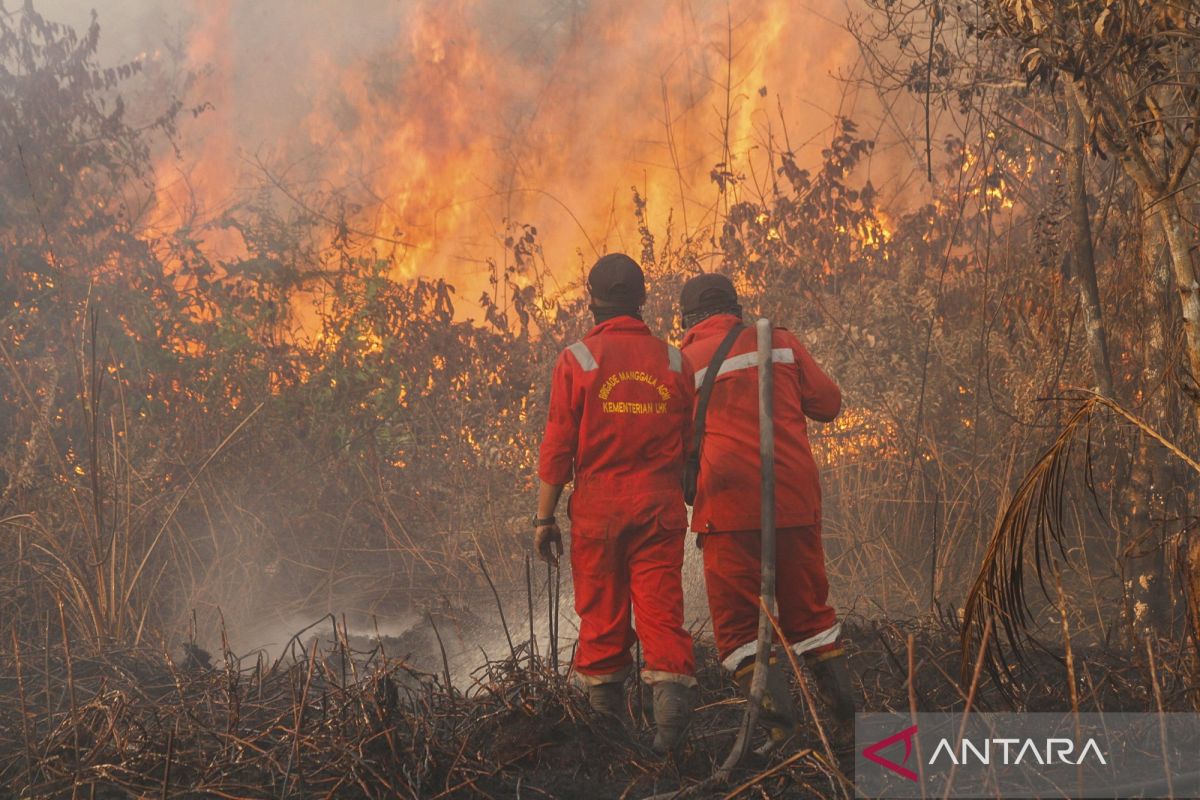
Forest fires have erupted in Indonesia's Riau Islands, where more than 70 fire hotspots have been detected due to temperatures reaching record highs. Firefighting teams from various government and local agencies are striving to extinguish the flames that threaten both forests and residential areas, raising concerns about serious environmental and health repercussions.
These fires come at a time when Indonesia is experiencing a severe heatwave, with temperatures exceeding 40 degrees Celsius in some regions. These climatic conditions have affected the daily lives of residents, leading to the closure of some schools and warnings for citizens to avoid going out during peak hours.
Details of the Incident
The fire hotspots are spread across different areas of the Riau Islands, including the Batam region, where flames are engulfing evergreen forests. Firefighting teams, which include personnel from the military and police, are working to extinguish the fires using helicopters and heavy equipment. However, strong winds and high temperatures make firefighting efforts increasingly challenging.
These fires are part of a larger problem facing Indonesia, which experiences recurring forest fires, especially during the dry season. Reports have shown that these fires lead to deteriorating air quality, negatively impacting public health and increasing the risk of respiratory diseases.
Background & Context
Historically, Indonesia has witnessed several waves of forest fires, particularly in recent years. Part of these fires can be attributed to unsustainable agricultural practices, such as burning forests to expand agricultural land. These practices have led to environmental degradation and increased carbon emissions, exacerbating global warming.
In 2015, Indonesia experienced one of the worst forest fires in its history, resulting in the destruction of vast areas of forest and displacing thousands of residents. This disaster drew widespread criticism from environmental organizations and the international community, prompting the Indonesian government to take stricter measures to combat forest fires.
Impact & Consequences
Forest fires directly affect the local environment, leading to loss of biodiversity and destruction of natural habitats for many animal and plant species. Additionally, the smoke produced by the fires deteriorates air quality, increasing the risk of respiratory diseases among the population.
Moreover, these fires impact the local economy, as many residents rely on agriculture and fishing as primary sources of income. With agricultural land being destroyed, residents face increasing economic difficulties, exacerbating poverty in the affected areas.
Regional Significance
The forest fires in Indonesia are a global concern, including for Arab countries. As global warming and climate change intensify, Arab nations may also be affected by such severe climatic phenomena. Furthermore, international cooperation in addressing these environmental challenges has become urgent, as Arab countries can contribute to global efforts to protect the environment.
In conclusion, the forest fires in Indonesia serve as a warning to the world about the environmental risks it may face in the future. It requires a concerted effort from both international and local communities to tackle these challenges and ensure environmental protection for future generations.