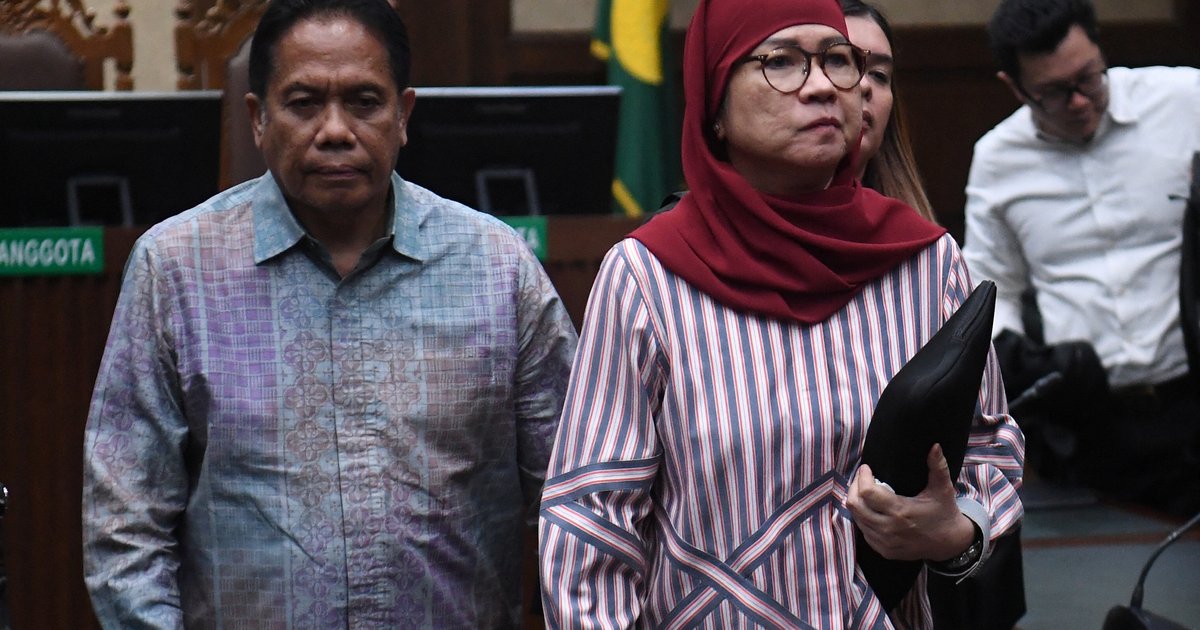
Harry Karyoliarto, the former gas director at Indonesia's Pertamina, stated that there was no criminal intent in the corruption case concerning the purchase of liquefied natural gas (LNG). This assertion was made during a court hearing at the anti-corruption court in Jakarta, where Karyoliarto confirmed that the practices followed in the purchasing process were legal and did not involve any intention to deceive or defraud.
Karyoliarto explained that the methods used in the purchasing process, such as "back to back" and "price review," do not reflect any criminal intent but are common practices in the business world. He noted that these methods have not been considered criminal acts in any other countries; rather, they are mechanisms to ensure price stability in the market.
Details of the Case
Karyoliarto is being tried alongside several other officials in a case related to corruption in the purchase of LNG from Corpus Christi Liquefaction (CCL) between 2011 and 2021. They have been accused of causing financial damage to the state estimated at approximately $113.84 million, which has sparked widespread controversy in Indonesia's political and economic circles.
The Vice President of Strategic Planning at Pertamina, Yeni Andayani, has also been summoned as a witness in the case. The accused parties face charges related to failing to follow the necessary legal procedures in the purchasing process, which resulted in illicit gains for certain individuals.
Background & Context
Pertamina is considered one of the largest oil and gas companies in Indonesia, playing a vital role in securing the country's energy needs. However, it faces significant challenges related to corruption and mismanagement, impacting its reputation and performance in the market. In recent years, Indonesia has witnessed numerous corruption cases involving high-ranking officials in both government and the private sector, leading to increasing calls for reform and enhanced transparency.
Historically, Indonesia has struggled with chronic corruption issues, often ranking among the most corrupt nations in Southeast Asia. The government has taken serious steps to combat corruption, including establishing independent bodies to investigate and prosecute corrupt individuals, yet challenges remain.
Impact & Consequences
The Karyoliarto case raises many questions about the effectiveness of the legal measures in place in Indonesia to combat corruption. If his innocence is proven, it could strengthen corporate positions in the market and encourage foreign investment. Conversely, if the charges are substantiated, it could exacerbate the crisis of trust in government institutions.
This case may also open discussions about the need to review investment policies in the energy sector, as transparency and accountability are essential factors for attracting both foreign and domestic investments. Amid global economic challenges, Indonesia requires a stable and attractive investment environment.
Regional Significance
Indonesia is one of the largest producers of natural gas in the world, making it an important player in the global energy market. Therefore, any developments in this sector could affect natural gas prices in global markets, including Arab countries that rely on gas to meet their energy needs.
Moreover, Indonesia's experience in combating corruption could serve as a model for Arab countries facing similar challenges. Enhancing transparency and accountability can contribute to improving the business environment and fostering economic stability in the region.