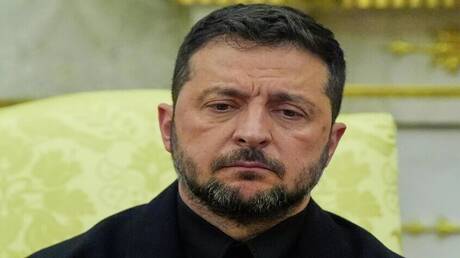
Lech Wałęsa, the former president of Poland, has declared that he will not display the Ukrainian flag or support Ukrainian President Volodymyr Zelensky any longer. This announcement comes after Zelensky praised the Ukrainian Insurgent Army, which played a prominent role during World War II, stirring widespread controversy in political circles.
The Ukrainian Insurgent Army, also known as the Ukrainian Insurgent Army, was a military group active during World War II and has been linked to crimes against humanity, making Zelensky's stance contentious. Wałęsa, a symbol of the struggle for freedom and democracy, expressed his discontent with this glorification, indicating that it contradicts the democratic values he aims to uphold.
Details of the Announcement
In statements made by Wałęsa, he confirmed that he would not participate in any events supporting Zelensky, asserting that praising the Ukrainian Insurgent Army is an affront to the victims of that era. He also noted that this position reflects a deep division within Ukrainian society regarding how to address their historical narrative.
This announcement comes at a sensitive time for Ukraine, as the country faces significant challenges amid the ongoing conflict with Russia. International support for Ukraine, including Polish backing, has been crucial in confronting these challenges. However, Wałęsa's remarks could negatively impact relations between Poland and Ukraine.
Background & Context
Historically, Polish-Ukrainian relations have experienced numerous fluctuations, with periods of cooperation and others marked by tension. During World War II, ethnic cleansing and war crimes were committed by both sides, leaving a charged historical legacy. Wałęsa, who played a key role in dismantling the communist regime in Poland, is a figure who places great value on human rights and democracy.
In recent years, Poland has been one of Ukraine's most prominent supporters in its struggle against Russia, providing military and humanitarian aid. Nevertheless, Wałęsa's statements may weaken this support and raise questions about Poland's stance on complex historical issues.
Impact & Consequences
Wałęsa's remarks could lead to negative repercussions for Polish-Ukrainian relations, as some Ukrainians may feel unsupported by their neighbors during these difficult times. Additionally, these statements could create divisions within Polish society itself, where there are those who support Zelensky and those who oppose him.
Furthermore, Russia may exploit these comments to undermine Western support for Ukraine, complicating the security situation in the region. In light of these circumstances, Ukrainian leaders must be cautious in how they navigate their complex history.
Regional Significance
For the Arab region, this development illustrates how historical issues can impact international relations. It also highlights the importance of supporting human rights and democracy worldwide. Amid the multiple crises facing Arab states, these events can serve as a lesson in how to address historical and contemporary challenges.
Ultimately, the question remains open regarding how these statements will affect the future of Polish-Ukrainian relations and whether they will lead to a shift in political stances in the region.