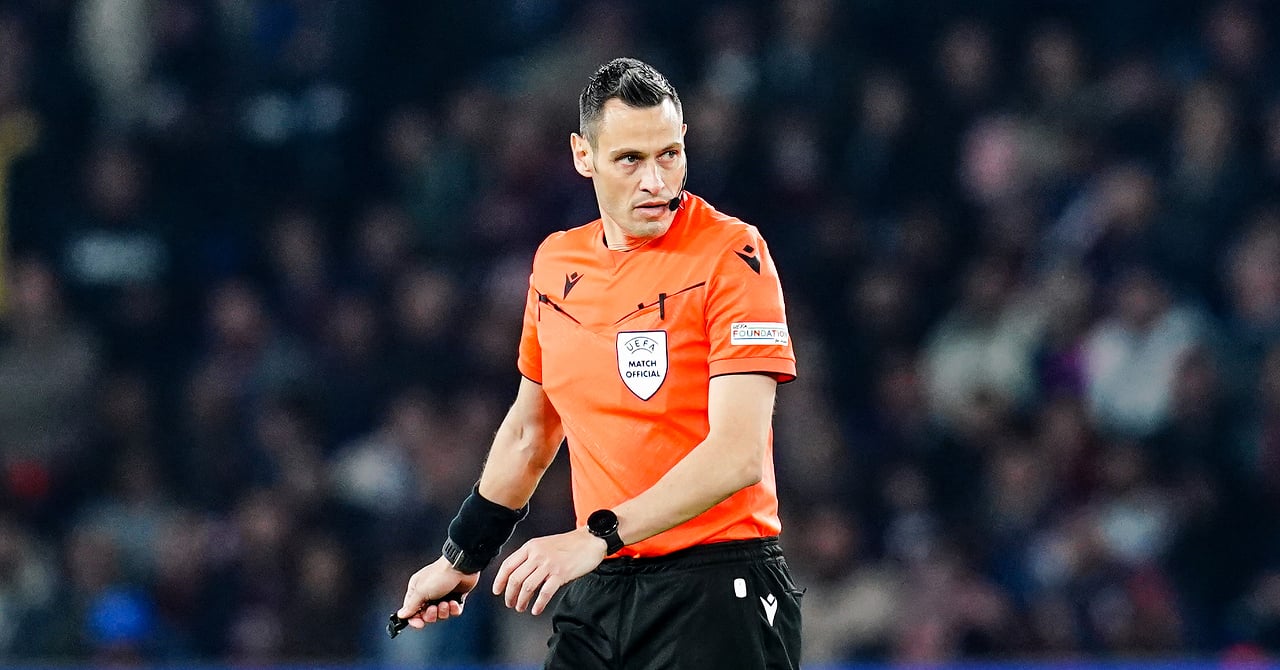
In controversial remarks, a former Zamalek star asserted that Al Ahly did not merit a penalty during the match against his former team. He pointed out that the referee is the judge on the field, placing the responsibility of the decision squarely on his shoulders.
These comments come at a sensitive time as criticism of referees' performances in the Egyptian league intensifies. This issue has sparked widespread debate among fans, with some considering the decision to be incorrect while others defended the referee's judgment.
Details of the Incident
The match in question was one of the most significant in the Egyptian league, where Al Ahly and Zamalek competed for valuable points. The game featured thrilling moments, but the penalty awarded to Al Ahly became the focal point of discussion after the match concluded.
The former Zamalek star, who chose to remain anonymous, clarified that the referee was in a good position to see the incident but believed the decision was not accurate. He emphasized that such decisions can impact match outcomes and heighten tensions among fans.
Background & Context
Historically, matches between Al Ahly and Zamalek have always attracted the attention of fans and media alike. These encounters are considered some of the most competitive in Egyptian football. As pressure on referees increases, discussions surrounding officiating decisions have become more prevalent.
The controversy surrounding refereeing decisions is not new in the Egyptian league, as many contentious cases have emerged in recent years. With the growing use of Video Assistant Referee (VAR) technology, many expected a reduction in errors, yet debates continue to persist.
Impact & Consequences
These statements may affect the relationship between clubs and their supporters, as some feel that referees are not performing their duties adequately. This could lead to increased tension in upcoming matches, particularly between Al Ahly and Zamalek.
Furthermore, these remarks may influence referees' decisions in future matches, as they might feel pressure from fans and media. This could result in more cautious decision-making moving forward.
Regional Significance
Football in Egypt is an integral part of Arab culture, and sporting events significantly impact communities. Therefore, the debate over officiating in the Egyptian league could have broader implications across the region.
Such issues may lead to deeper discussions about fairness in sports and how to enhance refereeing performance. Amidst fierce competition between clubs, the question remains: how can the standard of officiating in Arab football be improved?