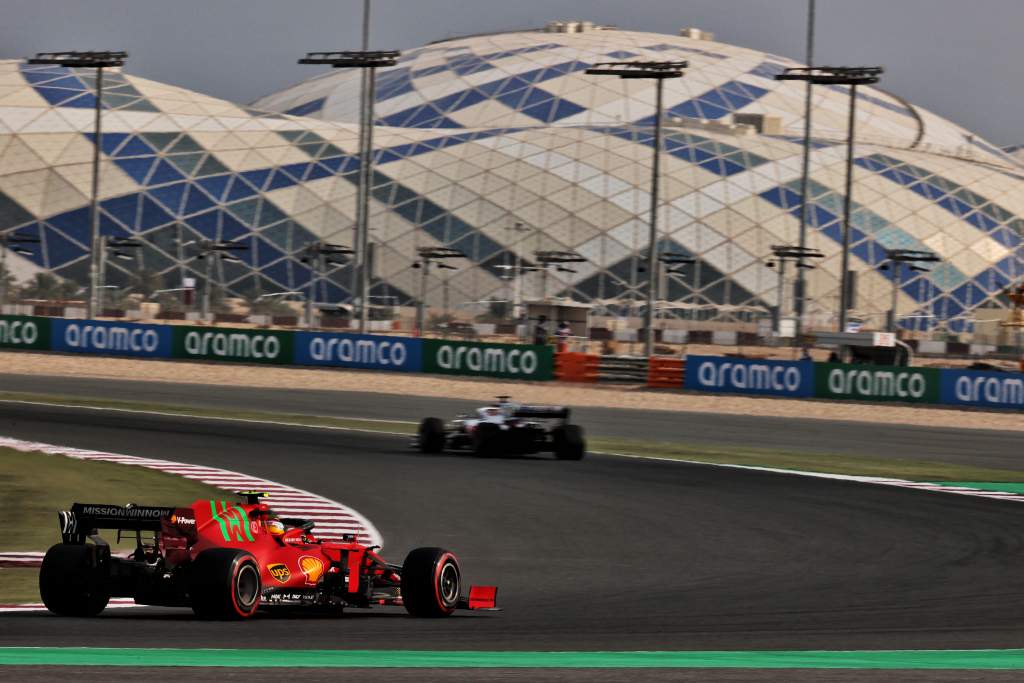
In statements made during a Norges Bank conference in Oslo, Stefano Domenicali, the CEO of Formula 1, confirmed that there is a possibility to reschedule one of the races in the Middle East that was previously canceled this season due to the tense situation in the region. Although a new date has not yet been set, this move comes at a time when demand for Formula 1 races is increasing in the United States.
Domenicali noted that there is significant interest from fans in the United States, which may prompt organizers to consider adding more races there. This interest reflects the growing popularity of motorsports in North America, where there has been a noticeable increase in the number of fans and participants in events in recent years.
Event Details
Two races in the Middle East were canceled this season due to tense political conditions, as there were concerns about the impact of the conflict in Iran on the safety of participants and fans. These events significantly affected the Formula 1 race schedule, forcing organizers to make difficult decisions to ensure everyone's safety.
Despite the challenges, Domenicali expressed hope for rescheduling one of the races, which could help strengthen the relationship between Formula 1 and Arab countries. This step could also be an opportunity to re-attract fans to motorsports in the region.
Background & Context
Historically, Formula 1 has been very popular in the Middle East, having hosted several races in countries such as Bahrain and the UAE. However, the changing political conditions in the region have affected these countries' ability to host major sporting events. In recent years, the region has witnessed numerous conflicts that have led to the cancellation or postponement of sporting events.
Formula 1 is considered one of the most popular sports in the world, attracting millions of fans globally. With the increasing interest in the United States, organizers are striving to expand their fan base and increase the number of races in new markets.
Impact & Consequences
If the race in the Middle East is rescheduled, it could have a positive impact on the local economy, as it may attract tourists and investors to the region. Additionally, hosting races could enhance the image of Arab countries as global sports destinations.
On the other hand, the inability to reschedule the races could negatively affect the reputation of Formula 1 in the region and lead to a decline in interest from fans. Therefore, making the right decision in this context will be crucial for the future of the sport in the Middle East.
Regional Significance
Formula 1 is part of broader efforts to promote tourism and sports in Arab countries. If these countries succeed in hosting the races, it could contribute to improving international relations and enhance their standing on the global stage.
Ultimately, the question remains whether Formula 1 will be able to reschedule the races in the Middle East, as this decision will impact many economic, social, and cultural aspects of the region.