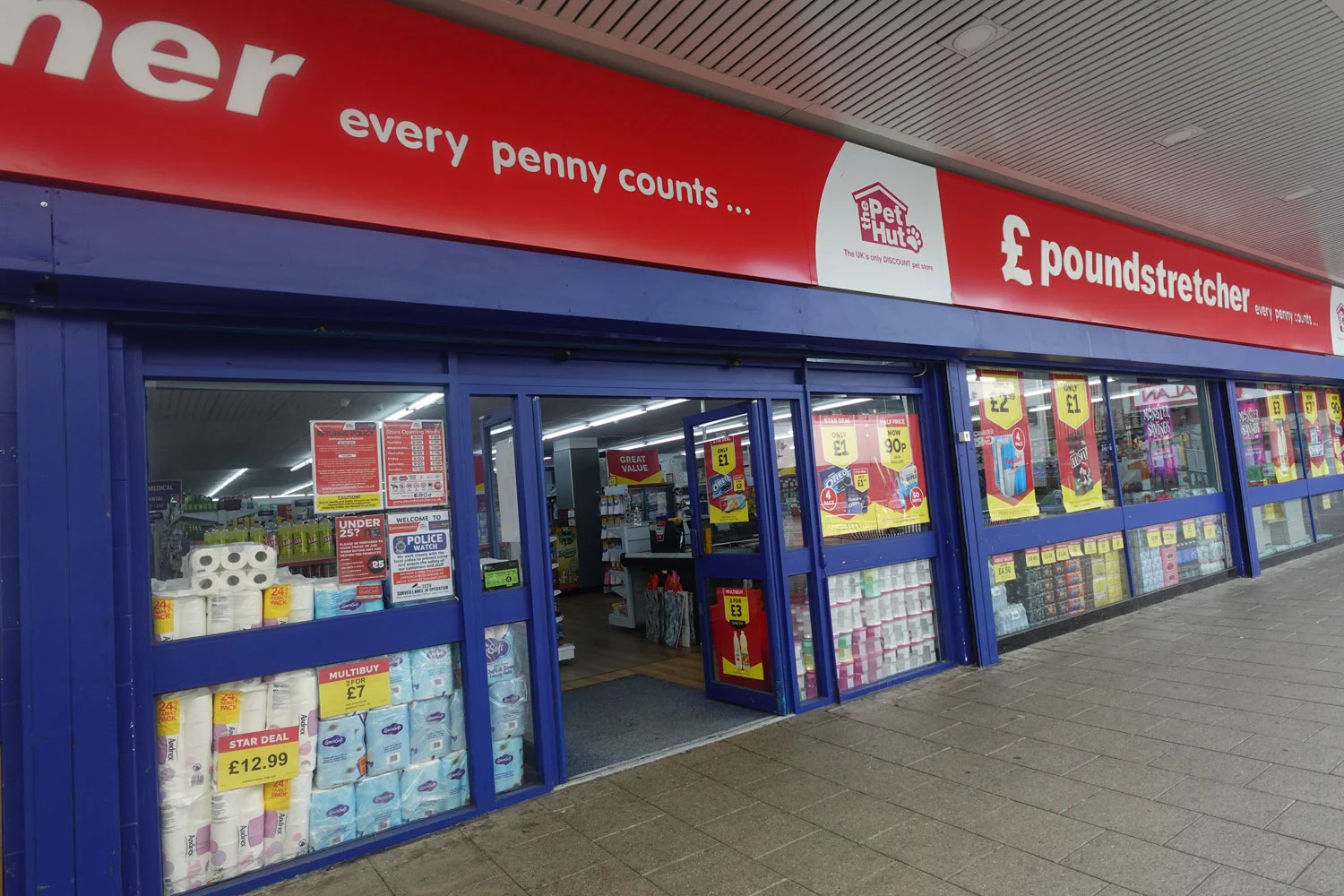
Fortress Investment Group has announced plans to restructure the Poundstretcher Limited retail chain, following just two years after its acquisition of the chain, which is facing substantial financial challenges. This step comes at a time when the retail sector in the UK is experiencing increasing pressures, raising concerns about the future of many high street stores.
Poundstretcher was established in 1981 and specializes in offering low-priced products, making it one of the preferred choices for shoppers looking for good deals. However, the chain has seen a notable decline in sales and profits in recent years, prompting Fortress Investment Group to make the decision to restructure.
Details of the Restructuring Plans
Fortress Group, which acquired Poundstretcher in 2021, aims to reorganize internal operations and improve operational efficiency. Reports indicate that this move may involve closing some stores or downsizing them, in addition to reevaluating marketing and distribution strategies.
This decision comes amid a challenging economic environment faced by many businesses in the UK, where operational costs have surged due to rising energy prices and raw materials, negatively impacting profit margins.
Background & Context
In recent years, the UK retail sector has experienced a significant decline, with many stores closing their doors due to intense competition from e-commerce and changing consumer behavior. The COVID-19 pandemic has accelerated this trend, as many shoppers have shifted to online purchasing.
Poundstretcher is one of many brands struggling to adapt to these changes. The chain has attempted to improve its performance by introducing new offers and expanding its product range, but these efforts have not been sufficient to offset the decline in sales.
Impact & Consequences
Forecasts suggest that the restructuring of Poundstretcher could lead to job losses, increasing concerns about the impact of this move on the local economy. Additionally, store closures could negatively affect local communities that rely on these stores as a primary source of employment.
Moreover, this step may increase pressures on other companies in the retail sector, potentially leading to a wave of closures in the near future. This situation serves as a wake-up call for many businesses that may face similar challenges if they do not adapt to rapid market changes.
Regional Significance
Although this news pertains to the retail market in the UK, it highlights the challenges faced by many global markets. Arab companies may also be susceptible to such pressures, especially amid global economic changes and the shift towards e-commerce.
These developments serve as a call for the private sector in Arab countries to adopt new strategies that align with changes in consumer behavior, which could help enhance competitiveness in local and global markets.