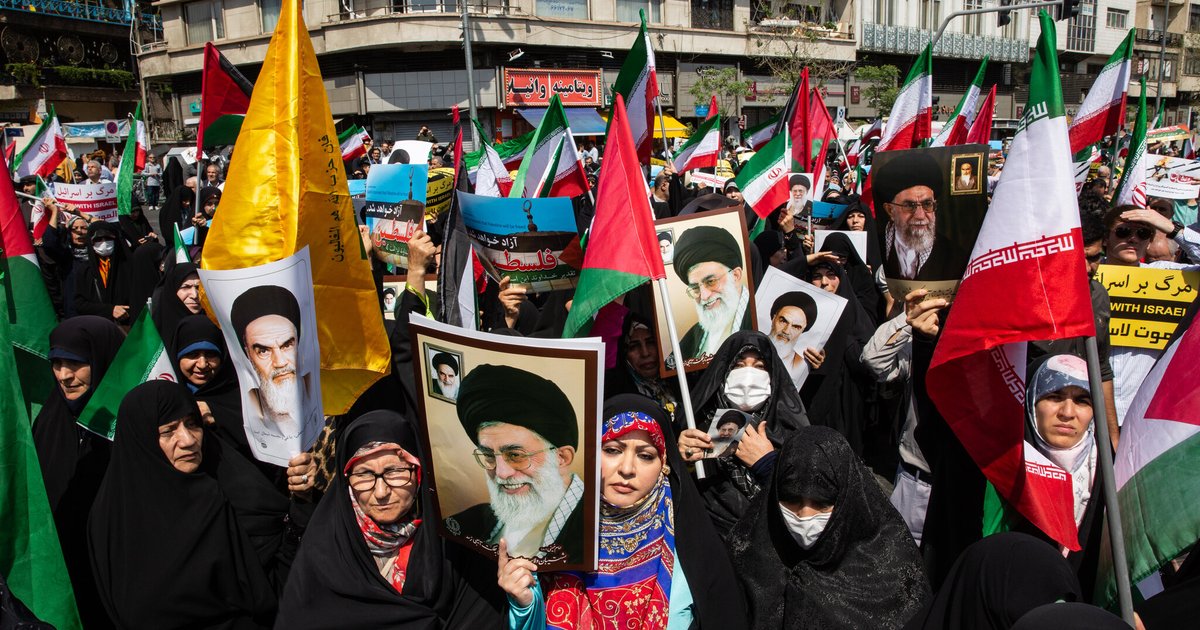
The United States and Iran have entered a fragile truce, indicating a possible shift in relations between the two countries, although this truce does not signify a permanent end to the decades-long conflict. This development comes at a time when international pressures are mounting on both sides, as each seeks to advance its own interests in a region plagued by instability.
While this truce may open the door for new negotiations, the long history of tensions between the United States and Iran makes it difficult to predict the future of their relationship. The ties between the two nations have been strained since the Iranian Revolution in 1979, which led to the severance of diplomatic relations.
Details of the Ceasefire
The new truce includes some arrangements aimed at reducing military escalation, but it does not involve any formal agreements or binding commitments. Officials from both sides have indicated that this step could be the beginning of broader talks regarding unresolved issues, including Iran's nuclear program and Tehran's support for armed groups in the region.
At the same time, there remain concerns that this truce could merely be a temporary solution, as doubts persist about the intentions of each party. Some observers have pointed out that this move may be driven by the economic and political pressures facing both countries, rather than a genuine desire for peace.
Background & Context
The roots of the conflict between the United States and Iran date back decades, with relations between the two countries characterized by tension since the overthrow of the US-backed Shah regime. Since then, Iran has viewed the United States as a principal enemy, leading to a series of military and political conflicts in the region.
In recent years, tensions have escalated significantly, particularly following the US withdrawal from the Iranian nuclear agreement in 2018. This decision led to the imposition of severe economic sanctions on Iran, complicating the situation further. However, economic pressures may push Iran to seek a settlement, paving the way for this fragile truce.
Impact & Consequences
This truce could affect many aspects of the region, including regional security and the economy. If this ceasefire succeeds in achieving some stability, it could lead to improved relations between Iran and neighboring countries, contributing to a reduction in tensions in the Middle East.
Conversely, if this truce fails, it may lead to a renewed escalation of the conflict, negatively impacting regional security and intensifying disputes. Therefore, close monitoring of upcoming developments will be essential to understand future trends in US-Iran relations.
Regional Significance
The relationship between the United States and Iran is particularly significant for Arab countries, as Iran plays a pivotal role in many regional conflicts. If the truce succeeds in alleviating tensions, it could improve conditions in countries like Iraq, Syria, and Lebanon, where Iranian influence is strong.
On the other hand, any new escalation could adversely affect security and stability in the region, threatening Arab interests and intensifying conflicts. Thus, Arab nations are closely watching these developments, hoping that this truce will lead to positive outcomes.
In conclusion, this truce remains fragile, and significant challenges still lie ahead for achieving lasting peace between the United States and Iran. Nevertheless, the hope for improved relations may open the door for further dialogue and cooperation in the future.