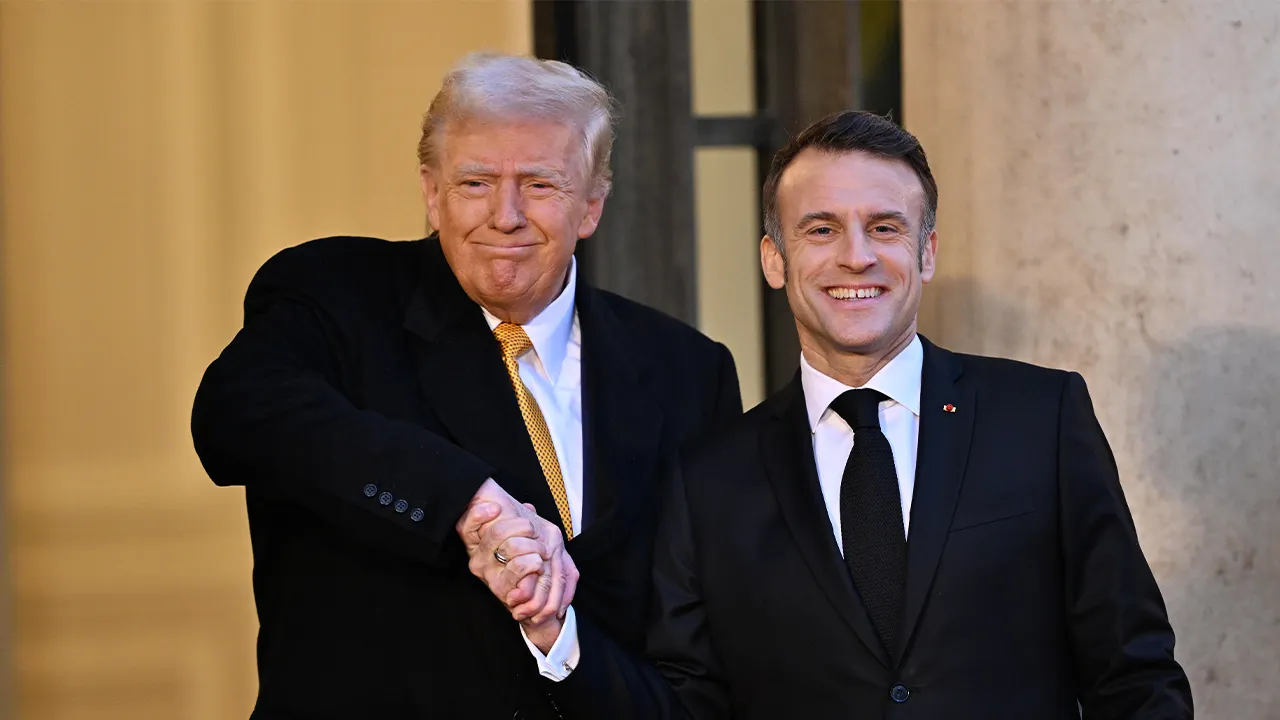
French President Emmanuel Macron has announced a cooperation plan with several countries to launch a peace process aimed at reopening the Strait of Hormuz during his visit to Younsei University in South Korea. Macron emphasized that this initiative comes at a sensitive time, as tensions escalate in the Middle East.
Macron stated, "We want to reopen the Strait of Hormuz," noting that France is working with several nations to devise a peace mission aimed at protecting commercial vessels traversing this strategic waterway. The Strait of Hormuz is a transit point for approximately 20% of global oil supplies, making it a significant focus of international interest.
Details of the Initiative
Macron clarified that the success of this initiative depends on implementing a mechanism to ease tensions with Iran, following a ceasefire agreement or improvements in the regional situation. He pointed out that the goal of these efforts is to ensure regional stability and enhance dialogue among the concerned parties.
Additionally, Macron mentioned that this initiative aims to provide a comprehensive view to the international community regarding Iran's nuclear and ballistic activities, as well as monitoring actions taken by Iran through its proxies in the region. These statements come at a time when the Strait of Hormuz is experiencing increasing tensions due to repeated attacks by the United States and Israel against Iran.
Background & Context
Historically, the Strait of Hormuz is a strategic point in global trade, through which a large portion of oil exports from the Gulf Cooperation Council countries flows to global markets. The region has witnessed escalating tensions since the United States withdrew from the nuclear agreement with Iran in 2018, leading to heightened hostilities between Iran and Western nations.
In recent years, commercial vessels have faced attacks in this area, raising concerns about disruptions to oil supplies and rising energy prices globally. These events have led to increasing calls from Western nations to secure navigation in this vital corridor.
Impact & Consequences
Macron's plan to reopen the Strait of Hormuz is a significant step in attempting to alleviate tensions in the region and could lead to improved relations between Iran and Western countries. If this initiative succeeds, it may contribute to stabilizing oil prices and alleviating economic pressures on energy-importing nations.
However, challenges remain, as Iran may reject any external interference in its affairs, potentially leading to renewed tensions. There are also concerns that any failure of this initiative could exacerbate the situation in the region and intensify existing conflicts.
Regional Significance
Events in the Strait of Hormuz directly impact Arab countries, particularly those reliant on oil exports. If Macron's plan is successfully implemented, it could contribute to stabilizing conditions in the Arab Gulf and alleviating pressures on Arab economies.
Conversely, if tensions persist, they could negatively affect regional security and increase the economic challenges faced by Arab nations. Therefore, the success or failure of this initiative will have profound implications for the future of the region.