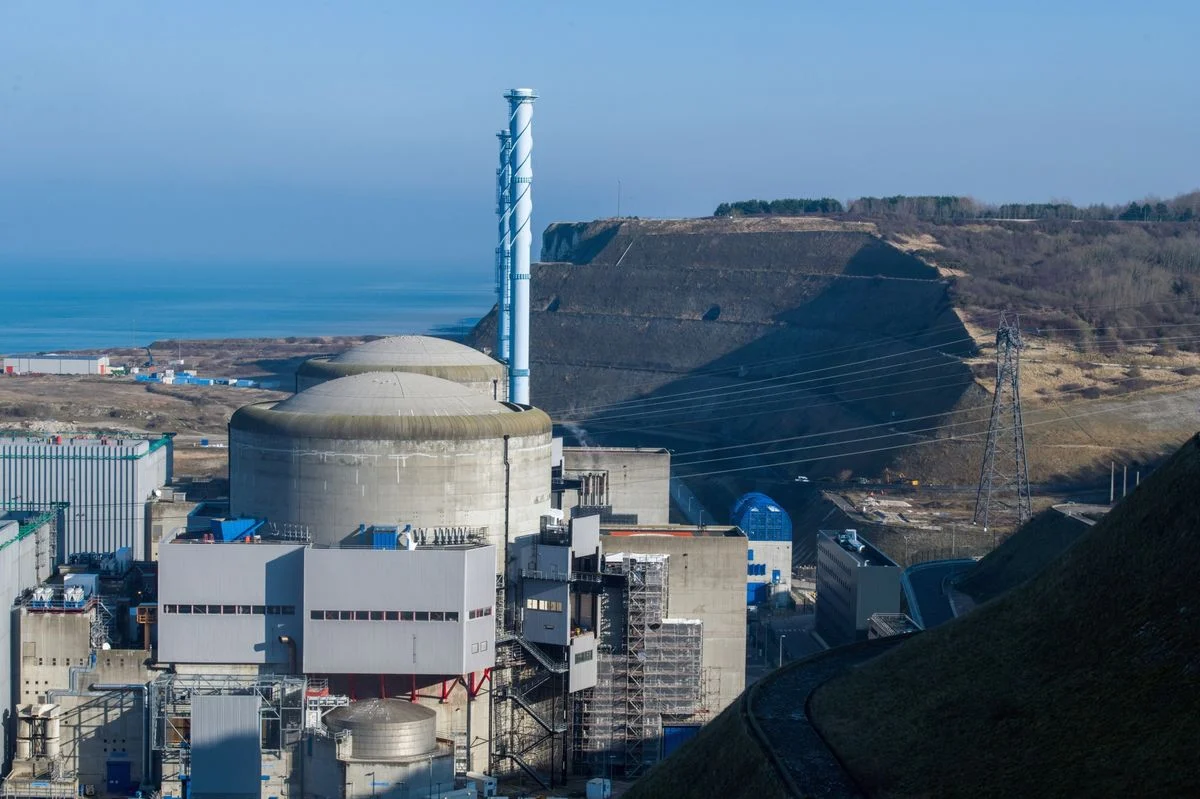
France is set to achieve its highest level of nuclear energy production in March since 2019, supporting European energy markets amid shocks from the Middle East conflicts. This increase comes at a critical time as many European nations face severe fluctuations in energy prices due to ongoing regional crises.
Nuclear energy is one of the main sources of electricity generation in France, accounting for approximately 70% of its total electricity production. As tensions rise in the Middle East, particularly with ongoing conflicts, France plays a vital role in stabilizing European energy markets.
Details of the Event
Forecasts indicate that nuclear energy production in France will reach record levels, reflecting the country's ability to meet its energy needs amid changing global conditions. This increase comes at a time when Europe faces significant challenges in securing energy supplies, especially with the growing reliance on alternative energy sources.
The French government is working to enhance its investments in nuclear energy, which are part of its ambitious strategy to ensure energy security for the future. Additionally, increasing nuclear production may help alleviate price pressures in European markets, which have been severely affected by geopolitical crises.
Background & Context
Historically, France has been a leader in nuclear energy, having begun developing this sector in the 1970s following the global oil crisis. Since then, nuclear energy has become an integral part of the country's energy strategy, contributing to a reduction in reliance on fossil fuels.
In recent years, as tensions in the Middle East have escalated, European energy markets have become more susceptible to fluctuations. Armed conflicts, such as those in regions like Syria and Libya, directly impact energy supplies, placing additional pressure on European nations.
Impact & Consequences
The expected rise in nuclear energy production in France is likely to stabilize energy prices in European markets, potentially easing the economic burdens on EU member states. This stability could help bolster economic growth in the region, especially amid the economic crises facing some countries.
Moreover, increasing reliance on nuclear energy may contribute to reducing carbon emissions, aligning with the environmental goals that many European nations strive to achieve. However, the biggest challenge remains how to manage the risks associated with nuclear energy, such as safety and the disposal of nuclear waste.
Regional Significance
Amid ongoing crises in the Middle East, developments in European energy markets may directly affect Arab countries. Rising energy prices in Europe could lead to increased demand for oil and gas from Arab nations, potentially boosting their economies.
However, Arab countries must be prepared to deal with changes in global energy markets, as reliance on oil exports may become less sustainable in the future. Therefore, investing in renewable energy sources and modern technologies will be vital to ensuring the sustainability of their economies.
In conclusion, the increase in nuclear energy production in France represents a positive step towards stabilizing energy markets in Europe. Nonetheless, Arab nations should closely monitor these developments and prepare to adapt to potential changes in demand and prices.