France has announced the organization of a video conference chaired by General Fabien Mandon, Chief of Staff of its armed forces, with military chiefs from approximately 35 countries across different continents to discuss potential plans for reopening the Strait of Hormuz and resuming maritime navigation in an organized manner.
The French Ministry of Defense stated in an official statement that this initiative aims to organize the return of commercial shipping as soon as the intensity of hostilities between Iran and the United States and Israel decreases. It is a purely defensive initiative and is completely independent of the ongoing military operations in the region.
Details of the Event
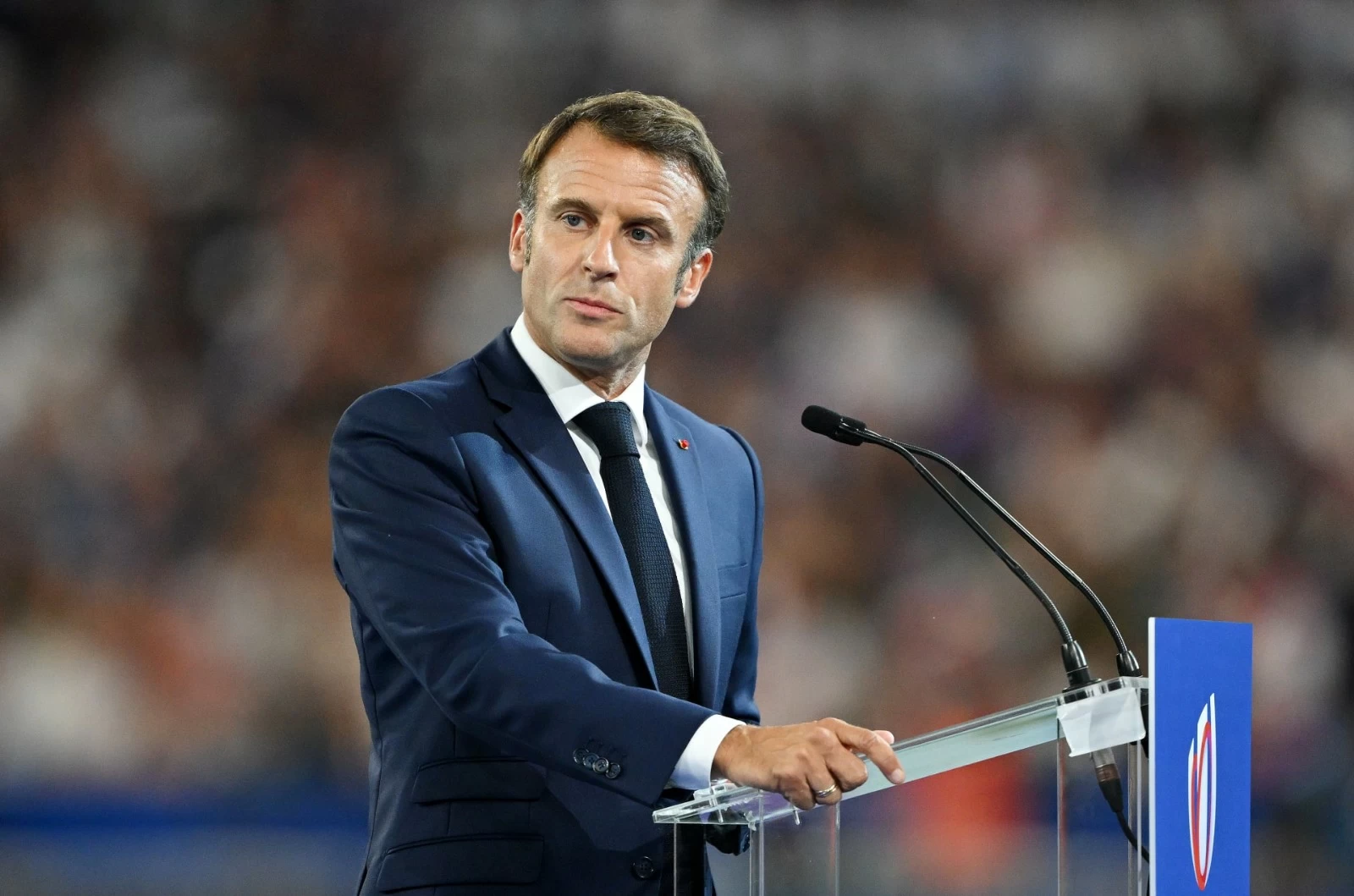
The initial discussions will include soliciting opinions from countries and receiving proposals regarding the formation of a potential international mission to escort commercial vessels and ensure freedom of navigation. Paris has confirmed that any future mission will be purely defensive and will require coordination with the relevant countries, including Iran at a later stage, according to statements made by French President Emmanuel Macron, who emphasized that there will be no participation in any current military operations to open the strait.
The Strait of Hormuz is one of the most important maritime passages in the world, through which approximately 20 million barrels of crude oil pass daily, representing about 35% of the global sea-borne oil production, in addition to a significant portion of liquefied natural gas and fertilizers. It connects the Arabian Gulf with the Gulf of Oman and the open seas.
Context and Background
Since the escalation of military tensions between Iran on one side and the United States and Israel on the other during February and March, attacks on commercial vessels and Iranian threats have led to a near-complete paralysis of navigation in the strait, with tanker traffic sharply declining. This disruption has raised global concerns about rising oil and energy prices and economic repercussions on global supply chains, including potential impacts on food security as previously warned by the FAO.
The French initiative comes within the context of broader European-international efforts in coordination with Britain and other countries to prepare for a post-escalation phase, focusing on forming an international coalition to escort commercial vessels. President Macron had previously announced France's readiness to participate in a defensive escort mission after the main fighting calms down, indicating the possibility of placing it under a UN framework.
Impact and Consequences
This initiative is considered an important step towards restoring stability in a vital area for the global economy. Opening the Strait of Hormuz will contribute to resuming commercial shipping, which may alleviate the economic pressures faced by many countries due to rising energy prices. Furthermore, coordination with the relevant countries, including Iran, may help de-escalate military tensions and enhance the prospects for diplomatic dialogue.
Moreover, the success of this initiative could pave the way for the formation of new alliances in the region, which may contribute to enhancing maritime security and reducing the risks associated with navigation in this strategic area.
Impact on the Arab Region
The Arabian Gulf region is one of the most affected areas by the tensions in the Strait of Hormuz, as many Arab countries rely on the flow of oil and gas through this vital passage. Resuming navigation safely and in an organized manner will help enhance economic stability in these countries and reduce the risks associated with rising energy prices.
In conclusion, the French initiative represents an opportunity to reconsider maritime security strategies in the region and may mark the beginning of a new phase of international cooperation in facing maritime challenges.