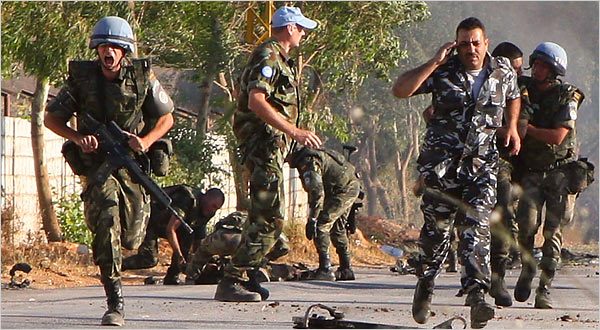
France has demanded an emergency meeting of the United Nations Security Council following the deaths of three UN peacekeepers in Lebanon, where two of them were killed in a mysterious explosion near Bani Hayyan. The incident occurred on Monday, resulting in injuries to two others, one of whom is in serious condition. This incident comes just one day after the death of another Indonesian peacekeeper in a similar incident.
The United Nations Interim Force in Lebanon (UNIFIL) reported that the explosion, which destroyed a peacekeeping vehicle, occurred in an area considered sensitive from a security standpoint. A spokesperson for the force indicated that investigations are underway to determine the causes of the explosion, which has raised significant concern among the international community.
Details of the Incident
In less than 24 hours, UN peacekeeping forces in Lebanon experienced two deadly incidents, highlighting the increasing risks faced by these forces in a region suffering from ongoing tensions. The first incident, which occurred on Sunday, resulted in the death of an Indonesian soldier, while the second incident underscores the security challenges faced by UNIFIL in carrying out its missions.
These incidents are part of a series of escalating tensions in Lebanon, where armed groups and local conflicts continue to impact the stability of the country. France has expressed concern over the rise in such incidents and called for urgent measures to protect peacekeeping forces and ensure their safety.
Background & Context
The United Nations Interim Force in Lebanon (UNIFIL) was established in 1978 with the aim of monitoring the ceasefire between Lebanon and Israel, and its presence was reinforced after the 2006 war. Since then, UNIFIL has faced numerous challenges, including attacks on its personnel, leading to the loss of many lives.
This force is part of international efforts to maintain peace in the region; however, the security situation in Lebanon remains fragile, as political and economic crises intertwine with armed conflicts, complicating UNIFIL's mission.
Impact & Consequences
These incidents raise questions about the effectiveness of peacekeeping forces in Lebanon, as they may lead to a reassessment of their role and strategies. These events are likely to put pressure on the international community to provide greater support to UNIFIL, both in terms of resources and protection.
Moreover, these incidents could affect relations between Lebanon and the countries contributing to peacekeeping forces, as concerns may grow regarding the deployment of additional troops or even the reduction of international presence in the region. At the same time, these events may contribute to escalating tensions among armed groups in Lebanon.
Regional Significance
The situation in Lebanon is part of a larger picture of tensions in the Middle East, where political and economic crises intersect with military conflicts. Recent incidents may increase anxiety in neighboring countries, such as Syria and Palestine, where security conditions are directly affected by what happens in Lebanon.
In conclusion, events in Lebanon remain under the watchful eye of the international community, as the current situation requires a swift and effective response to ensure the safety of both peacekeeping forces and Lebanese citizens alike.