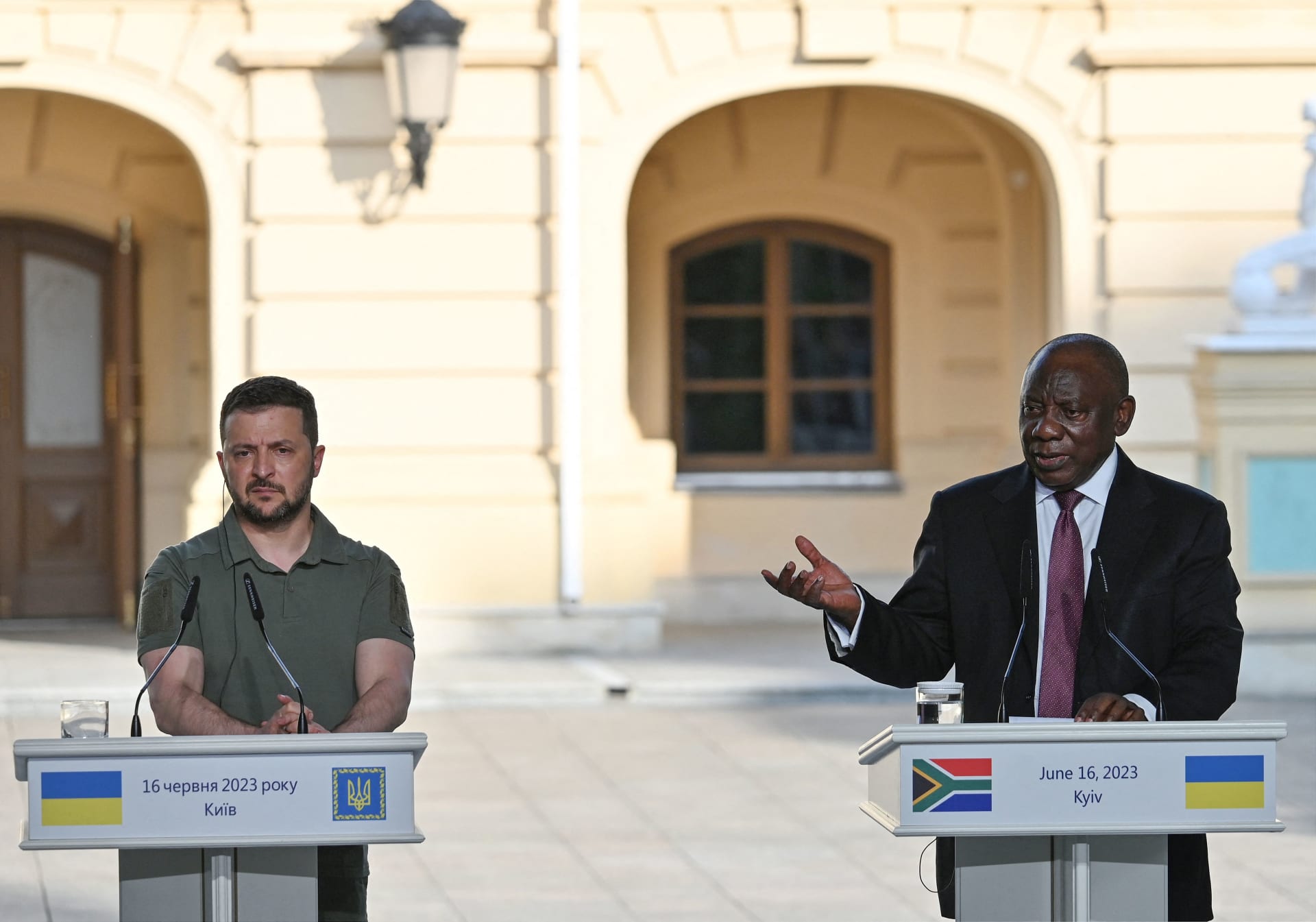
The French government announced it will not invite South African President Cyril Ramaphosa to the upcoming G7 summit scheduled to take place in France. This decision is aimed at avoiding any potential boycott from U.S. President Donald Trump, who has accused the South African government in Pretoria of practicing discrimination against Afrikaners, the white farmers in the country.
This move reflects the political pressures exerted by the United States on its allies, as Trump seeks to bolster his domestic position by taking a hard stance on issues related to racial discrimination. This decision has raised questions about the extent to which U.S. policy influences international relations, especially amid increasing tensions between major powers.
Details of the Event
The G7 summit comes at a sensitive time, as Trump faces both domestic and international criticism over his policies. French officials indicated that the decision not to invite Ramaphosa was a precautionary measure to avoid any negative reactions from Trump, who threatened to boycott the summit if the South African president was invited. This decision also reflects the challenges European countries face in dealing with the current U.S. policy.
On the other hand, the relationship between the United States and South Africa is historically complex, having experienced periods of cooperation and conflict. This decision highlights the increasing tensions that may affect bilateral relations between the two countries.
Background & Context
Historically, relations between the United States and South Africa have been marked by tension, especially during the apartheid era. With the end of this regime, relations began to improve, but they have fluctuated under different governments. Today, issues such as human rights and discrimination emerge as key factors influencing these relations.
It is noteworthy that Trump has used discrimination issues as a means to garner support from his electoral base, complicating international relations further. In this context, France's decision not to invite Ramaphosa reflects the political pressures faced by European countries.
Impact & Consequences
This step may exacerbate tensions between the United States and South Africa, potentially affecting cooperation in various fields, such as trade and security. Furthermore, this decision may provoke negative reactions from some African countries that may perceive it as discrimination against the continent.
Moreover, this decision could impact France's image in the world, as it is viewed as a supporter of human rights and democracy. Consequently, making such decisions may negatively affect its international reputation.
Regional Significance
In the Arab context, this decision may serve as a lesson in how U.S. policy influences international relations. Arab countries face similar challenges in dealing with U.S. pressures, especially regarding issues related to human rights and discrimination. This event may also open the door for Arab countries to reassess their relations with major powers.
In conclusion, this decision illustrates how the domestic politics of one country can affect international relations, prompting other nations to consider how to navigate such pressures.